




Sediment in Well Water: Causes & Solutions for SC
Published August 14, 2026 • By Dubya Water
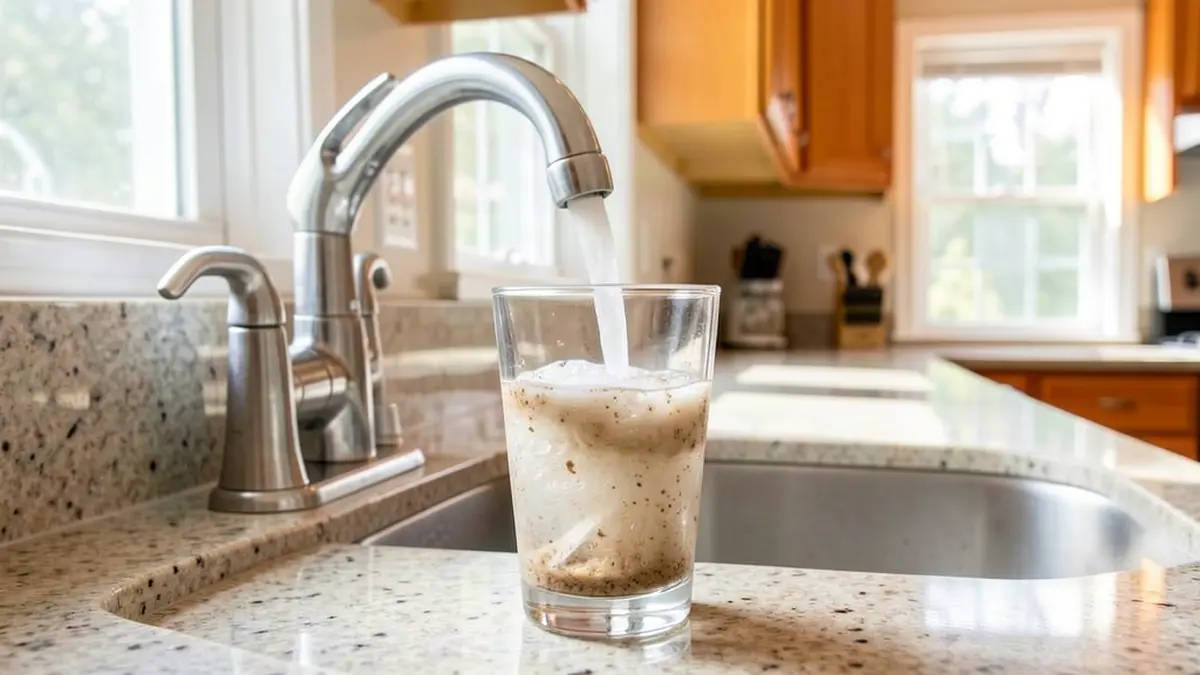
Sediment in well water — cloudy water, gritty particles at the bottom of your glass, rust flakes from the faucet — is caused by sand, silt, rust, or organic matter entering your water supply. The fix depends on the type and size of sediment, but a properly sized sediment filter system removes nearly all particles and protects your plumbing, water heater, and appliances. This complete guide covers every cause of sediment in well water, how to test and identify sediment type, and the best filter solutions for South Carolina homes.
Living in Orangeburg, Rowesville, or Cordova, you may have noticed cloudy water from your faucet or fine grit settling at the bottom of drinking glasses. This is sediment in well water — and it is one of the most common well water problems in South Carolina. Whether you searched for "sediment in well water" or "best filter for sediment in well water near me", this guide explains what causes the particles, how to test your water, and which filtration system will give you clear, clean water again. If you need immediate help, call Dubya Water at (803) 855-1055 for free well water testing and a consultation.
Is Your Well Water Cloudy or Gritty?
Free well water testing for Orangeburg County residents. We will test for sediment, iron, bacteria, and more.
Call (803) 855-1055
1. What Is Sediment in Well Water?
Is Your Well Water Cloudy or Gritty?
Free well water testing for Orangeburg County residents. We will test for sediment, iron, bacteria, and more.
Call (803) 855-1055Sediment in well water is any solid particle suspended in or settling from your water. It can look like cloudy or milky water when you first fill a glass, gritty sand at the bottom of a pitcher, orange-red rust flakes coming from the faucet, or fine tan silt that makes water look muddy. In South Carolina's coastal plain region — including Orangeburg, Bamberg, and Branchville — sediment is especially common because the aquifer contains sand, clay, and organic deposits that can enter your water supply.
Key sign: Fill a clear glass with cold water from the tap. If the water looks cloudy, hazy, or has visible specks floating or settling, you have sediment. Let the glass sit for 30 minutes — if particles settle at the bottom, the sediment is heavy (sand, rust). If the water stays cloudy, you have fine suspended particles (silt, clay, or organic matter).
2. What Causes Sediment in Well Water?
Sediment can enter your well water through several pathways. The most common causes in South Carolina include:
- Sand and silt from the aquifer: Wells in Orangeburg County are often drilled into sand and gravel layers. The well screen cannot catch every fine particle, so sand and silt enter the water. This is most noticeable after heavy use (laundry day) or when a new well is first used.
- Rust from aging well casing and pipes: Iron well casings and galvanized pipes corrode over time, producing orange-red rust flakes. This is very common in older wells in Rowesville and Elloree, where wells were drilled in the 1970s and 1980s.
- Broken or corroded well screen: The well screen keeps large particles out of your water. When the screen corrodes or breaks, sand and gravel can enter the water supply.
- Mineral precipitates: Calcium carbonate or manganese can form white or black flakes in the water. Hard water minerals can precipitate out as scale particles.
- Organic matter: Decaying leaves, roots, or insects can enter the well through a damaged well cap, producing dark specks in the water.
- Recent construction or heavy rainfall: Disturbance of the ground near the well or heavy rain can unsettle sediment in the aquifer. This is seasonal and usually temporary.
In Cordova and Bowman, red clay sediment is common after heavy rain because the clay layer above the aquifer can shift. In Denmark and Cope, sandy soil means sand in well water is the most frequent complaint.
3. Is Sediment in Well Water Dangerous?
While sand and silt particles themselves are not usually toxic, sediment in well water poses several real risks to your health and home:
- Gastrointestinal irritation: Gritty particles can irritate the digestive tract, especially for young children and elderly family members.
- Bacterial growth: Sediment provides a surface for coliform bacteria and other microorganisms to attach and grow. Organic sediment feeds bacteria directly. If you see sediment, you should test your water for bacteria.
- Staining: Rust sediment stains sinks, tubs, toilets, and laundry orange. Manganese sediment produces brown or black stains.
- Plumbing damage: Sand and grit wear down faucet seals, dishwasher valves, washing machine parts, and water heater elements. Sediment in your water heater reduces efficiency and can cause premature failure.
- Appliance damage: Ice makers, coffee makers, and refrigerator water dispensers are especially vulnerable to sediment clogging their small valves and screens.
The bottom line: sediment may not make you sick immediately, but it damages your home and can signal more serious well problems. If you see sediment, test your well water. Dubya Water offers free well water testing for Orangeburg County homeowners — call (803) 855-1055 to schedule yours.
Free Well Water Testing in Orangeburg County
We test for sediment, iron, bacteria, hardness, pH, and more. No obligation. Call to schedule.
Call (803) 855-10554. How to Test for Sediment in Well Water
Testing for sediment starts with a simple visual check, but a professional water test gives you the full picture. Follow these steps to diagnose your sediment problem:
- Visual inspection: Fill a clear glass with cold water. Check for cloudiness, floating particles, and settling at the bottom. Note the color — sand is tan/white, rust is orange/red, silt is tan/gray, organic matter is dark brown/black.
- Settle test: Let the glass sit for 30 minutes. If particles settle, measure the layer thickness — this tells you how much sediment is in your water. If water stays cloudy, you have fine particles or colloids.
- Check after heavy use: Run your washing machine or outdoor spigot for 10 minutes. The flow disturbance can stir up sediment that normally stays settled in the well.
- Check after rain: Collect a sample after a heavy rainstorm. If sediment increases significantly after rain, you may have a well casing or cap issue allowing surface water infiltration.
- Professional lab test: Request a complete well water test from Dubya Water. We test for total dissolved solids, turbidity, iron, manganese, coliform bacteria, pH, and hardness — all factors that interact with sediment problems.
For Norway and Bamberg residents, Dubya Water provides free on-site well water testing with same-day results for basic parameters. Call (803) 855-1055 to schedule.
5. Best Filter Solutions for Sediment in Well Water
The right sediment filter depends on your sediment type, particle size, and water usage. Here is a complete breakdown of sediment filter options available for South Carolina homes: