




Well Water Testing in Orangeburg, SC: What Your Test Should Cover
Published June 15, 2026 • Updated June 26, 2026 • By Dubya Water
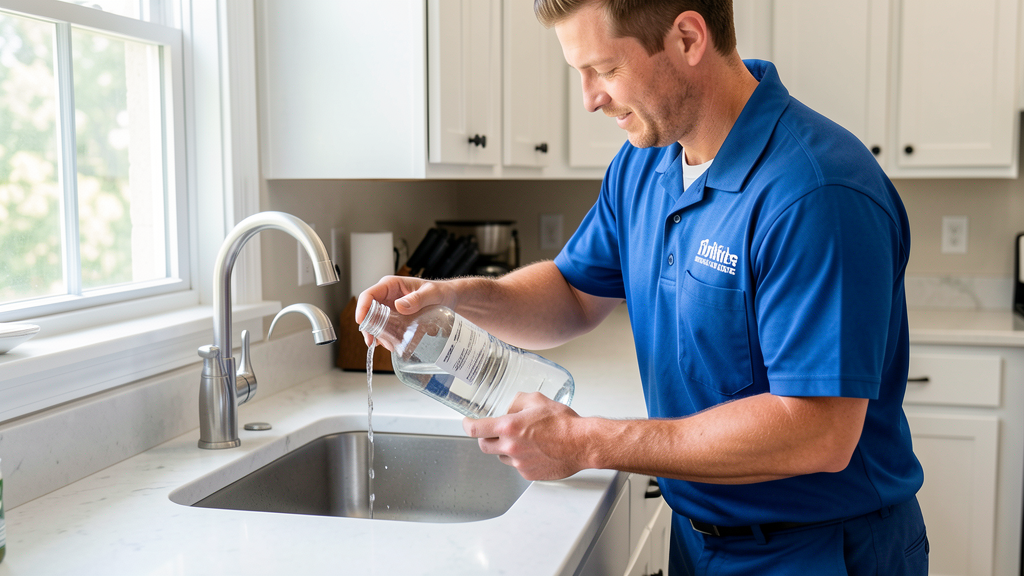
Well water testing checks whether your private well water is safe to drink, safe to cook with, and suitable for everyday household use. A proper test looks for bacteria, nitrates, metals, minerals, pH, hardness, sediment, and other contaminants that can affect health, taste, staining, plumbing, and appliances.
For homeowners searching for well water testing Orangeburg SC, the goal is not just to confirm that water is "clear." Many serious well water problems have no color, smell, or taste. Testing gives you a baseline, helps identify the source of symptoms, and shows what type of treatment is actually needed.
If you have not tested your well in the past year, now is the time. Dubya Water offers a free well water test Orangeburg homeowners use to understand exactly what is in their water — free well water test Orangeburg service includes on-site screening for hardness, iron, pH, sulfur, and TDS with same-day results.
Free Well Water Test — No Obligation
Find out if your well water is safe. Same-week appointments available.
Schedule Free TestIs Your Well Water Safe? Understanding the Risks
Many Orangeburg homeowners assume that because their water looks clear and tastes fine, it must be safe. That assumption can be dangerous. According to the CDC, private well water should be tested at least once a year for bacteria and nitrates, yet fewer than 20% of well owners in South Carolina follow this recommendation.
The health risks of untreated well water depend on what is in it:
- Bacteria (coliform / E. coli): Can cause gastrointestinal illness, nausea, cramps, and diarrhea. Infants, elderly, and immunocompromised individuals are most at risk.
- Nitrates: Dangerous for infants under 6 months — can cause "blue baby syndrome" (methemoglobinemia) which reduces blood oxygen levels. Pregnant women should also avoid elevated nitrates.
- Lead and copper: Lead is a neurotoxin that can affect children's development. Copper can cause gastrointestinal distress and liver/kidney damage at high levels.
- Iron and manganese: While not acute health hazards at typical levels, they cause staining, metallic taste, and can harbor bacteria in biofilms.
- Low pH (acidic water): Corrodes plumbing, leaching lead and copper from pipes and solder joints into your drinking water.
The only way to know if your well water is safe is to test it. Schedule well water testing near me Orangeburg SC with Dubya Water and get answers within days, not weeks.
What Contaminants Should Orangeburg Homeowners Test For?
A standard well water testing Orangeburg SC panel should cover both health-related contaminants and nuisance water issues. Below is a detailed breakdown of what each test measures and why it matters for Orangeburg County homeowners.
| Contaminant | Health Risk | Nuisance Issue | Common in Orangeburg? |
|---|---|---|---|
| Total Coliform Bacteria | Possible GI illness | None — no taste or smell | Yes — after heavy rain, flooding |
| E. coli | Serious — fecal contamination | None — lab test required | Yes — near septic systems |
| Nitrate / Nitrite | Blue baby syndrome; pregnancy risk | None — no taste or smell | Yes — agricultural areas, fertilizer runoff |
| pH | Indirect — corrodes pipes → leaches lead/copper | Metallic taste, blue-green stains, pipe corrosion | Yes — low pH common in SC Coastal Plain |
| Hardness (Calcium & Magnesium) | None — beneficial minerals | Scale buildup, soap scum, dry skin, appliance damage | Yes — 7-15 GPG typical |
| Iron | None at typical levels | Orange/red rust stains, metallic taste, sediment | Yes — very common in Orangeburg County |
| Manganese | Neurological concerns at high levels | Black staining, dark particles, bitter taste | Yes — often found with iron |
| Total Dissolved Solids (TDS) | None at typical levels | Overall mineral load — affects taste, scaling | Yes — varies by well depth |
| Turbidity | Can shield bacteria from disinfection | Cloudy water, sediment, sand | Yes — after storms, well integrity issues |
| Lead & Copper | Lead: neurotoxin (children). Copper: GI distress | Blue-green stains (copper), metallic taste | Possible — from plumbing, not aquifer |
The right test depends on your property. A shallow well near a septic system needs a different risk review than a deep well near farmland. That is why a useful test should include both lab results and a practical review of the well location, water symptoms, and household concerns.
Orangeburg County Well Water Quality
Orangeburg County sits in South Carolina's Midlands and Coastal Plain transition, where private wells often draw from sandy, layered sediments with clay lenses and deeper aquifer zones. Sandy soils allow water to move quickly after heavy rain, while clay layers create uneven groundwater movement.
Orangeburg County also has a strong agricultural footprint, including row crops, pastureland, irrigation, and rural homes on septic systems. Fertilizer, animal waste, and septic drainage are important local risk factors for nitrates, bacteria, and changing mineral conditions.
Common well water concerns in this area include iron staining, manganese staining, sulfur-like odors, sediment, low or corrosive pH, hardness, and bacteria after flooding or heavy rainfall. A neighbor's clean test does not guarantee your well is clean — private wells vary by depth, construction, casing condition, and distance from contamination sources.
"A neighbor's clean test does not guarantee your well is clean. Private wells vary by depth, construction, casing condition, and distance from contamination sources."
Well Water Testing Cost SC: What to Expect
One of the most common questions homeowners ask is about well water testing cost SC rates. Here is what you can expect:
- Dubya Water Free On-Site Test: $0. Includes screening for hardness, iron, pH, sulfur, and TDS. No obligation. Results in about 30 minutes.
- Basic Bacteria Test (Lab): $25 to $50. Tests for total coliform and E. coli. Results in 3-5 business days.
- Standard Mineral Panel (Lab): $75 to $150. Includes iron, manganese, pH, hardness, TDS, turbidity, and basic metals.
- Comprehensive Test (Lab): $150 to $300. Full panel including bacteria, minerals, heavy metals, pesticides, and VOCs.
The good news: you do not need to start with a $300 lab test. Dubya Water's free well water test Orangeburg identifies the most common issues immediately, and we only recommend a lab test if your situation calls for it.
Bacteria Test Well Water: Why It Matters
A bacteria test well water check is the single most important test for private well owners. Bacteria contamination has no taste, no odor, and no visible signs in most cases. The only way to know if your water is biologically safe is with a certified lab test.
The two bacteria tested are:
- Total Coliform Bacteria: These are bacteria found in the environment (soil, vegetation, surface water). Their presence indicates that surface water or organic material may be entering your well through a crack, unsealed cap, or compromised casing.
- E. coli: This specific coliform bacterium comes from human or animal fecal waste. Finding E. coli in your well water is a serious health concern that requires immediate action — usually well disinfection followed by source identification and repair.
When should you get a bacteria test?
- At least once a year as routine maintenance
- After any flooding or heavy rain event
- After well repairs or pump replacement
- If a household member has unexplained GI illness
- If you notice changes in taste, odor, or cloudiness after rain
5 Signs You Should Schedule Well Water Testing
1. Your Water Has a New Taste or Smell
A rotten egg smell may point to sulfur compounds or bacteria. A metallic taste can indicate iron, manganese, or low pH. A chemical odor needs prompt attention. Testing separates nuisance odor from health risk.
2. You See Stains, Scale, or Dark Residue
Orange or reddish stains suggest iron. Black staining points to manganese. White buildup is hardness scale. Blue-green stains indicate copper corrosion from low pH water. Each requires a different treatment approach. Read our guide on 5 warning signs your well water needs testing for more details.
3. Someone in the Home Has Higher Health Risk
Infants, pregnant women, older adults, and anyone with a weakened immune system are more vulnerable to bacteria and nitrates in well water. Since these contaminants have no taste or smell, lab testing is the only reliable detection method.
4. Your Well Is Near Septic, Farms, or Chemical Storage
Wells near septic drain fields, barns, crop fields, or fuel tanks should be tested more frequently. After major rain events or flooding, bacteria and nitrate testing become especially important.
5. Your Water Turns Cloudy or Sandy After Rain
Cloudy water or sediment after storms may indicate a well construction issue, surface water intrusion, or damaged casing. A test shows whether sediment is the only problem or if bacteria and metals are also present.
How Often Should Orangeburg Homeowners Test?
Test private well water at least once a year for bacteria and nitrates. Test more often after flooding, well repairs, septic problems, or changes in taste or odor. A complete mineral panel is smart when buying a home or installing treatment equipment.
If you have recently moved into a home with a private well, testing should be your first priority — before you drink the water or make any treatment decisions. For homes with existing treatment systems, annual testing confirms the system is working properly.
Schedule Well Water Testing Near Me Orangeburg SC
If you need well water testing near me Orangeburg SC, Dubya Water is your local expert. We serve all of Orangeburg County including Rowesville, Cordova, Bowman, Holly Hill, Santee, Elloree, and the surrounding SC Midlands.
We also provide complete well water treatment in Orangeburg County — including water softening, iron removal, sulfur treatment, UV disinfection, and reverse osmosis — so your water is not just tested, but treated properly.
Schedule Your Free Well Water Test Today
Find out what is in your water. Our free on-site test covers hardness, iron, pH, sulfur, and TDS.
Get Your Free Water Testor call (803) 855-1055
Serving Orangeburg, Columbia, Lexington, Sumter, and all of the SC Midlands.
Frequently Asked Questions About Well Water Testing
How much does well water testing cost in South Carolina?
Well water testing cost SC varies by the test panel. Dubya Water offers a free well water test Orangeburg that includes on-site screening for hardness, iron, pH, sulfur, and TDS — no cost and no obligation. Lab bacteria tests run $25 to $50, and comprehensive panels run $75 to $300 depending on the scope.
How often should I test my well water?
Test at least once a year for bacteria and nitrates. Test more often after flooding, well repairs, septic problems, or changes in taste or odor. A complete mineral panel is recommended when buying a home or installing treatment equipment.
What does a bacteria test for well water check?
A bacteria test well water check looks for total coliform bacteria and E. coli. Coliform indicates surface water or soil may be entering your well. E. coli is a serious warning sign of fecal contamination from septic systems or animal waste. Neither has taste or smell, so lab testing is the only reliable detection method.
Is the free well water test Orangeburg really free?
Yes. Dubya Water provides a free well water test Orangeburg homeowners trust. A certified technician comes to your home, runs on-the-spot tests for hardness, iron, pH, sulfur, and TDS, and explains the results. There is no charge and no obligation to purchase equipment.
What if my test shows problems?
If your well water test reveals bacteria, high nitrates, low pH, or elevated iron/manganese, Dubya Water can recommend and install the right treatment system. We offer water softening, iron filtration, UV disinfection, reverse osmosis, and complete well water treatment in Orangeburg County to address any issue.
Where can I find well water testing near me Orangeburg SC?
For well water testing near me Orangeburg SC, Dubya Water serves all of Orangeburg County and the surrounding SC Midlands. Call (803) 855-1055 to schedule a free on-site test. We cover Orangeburg, Rowesville, Cordova, Bowman, Holly Hill, Santee, and all surrounding communities.