Hard Water Treatment for Well Water: Complete Guide for South Carolina Homes
Hard water from a private well is one of the most common — and most frustrating — water quality problems in South Carolina. If you have white scale on your faucets, dry skin after showering, or spots on your dishes, your well water likely contains high levels of calcium and magnesium. This complete guide covers everything you need to know about hard water treatment for well water, from testing and diagnosis to system selection and professional installation.
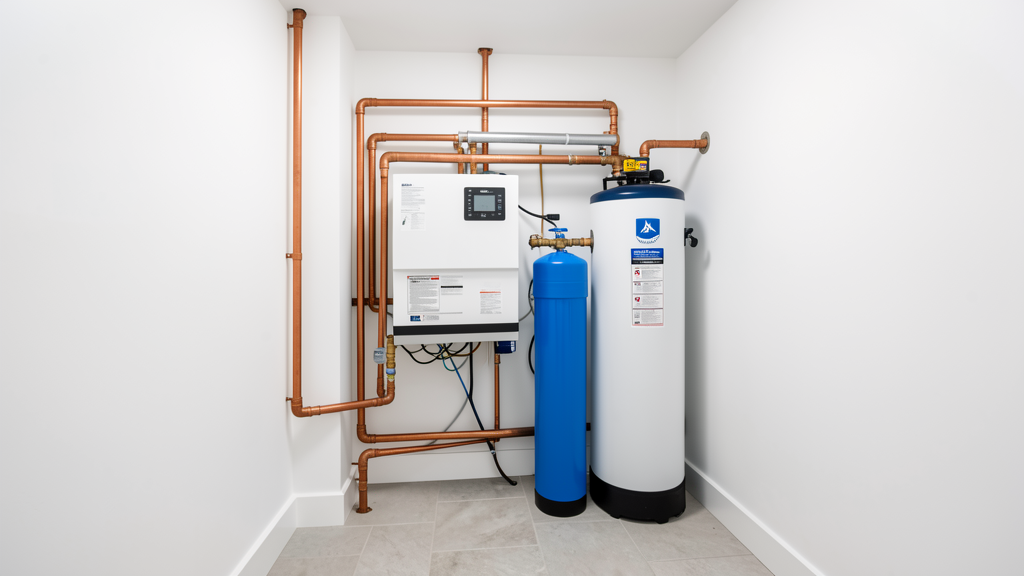
What Is Hard Water and Why Does It Matter for Well Owners?
Hard water is water that contains high concentrations of dissolved minerals, primarily calcium and magnesium. These minerals are picked up as groundwater travels through limestone, chalk, and dolomite deposits — exactly the type of geology found throughout the South Carolina Midlands. For well owners, hard water is more than a nuisance. It causes scale buildup inside pipes that reduces water flow and pressure, shortens the lifespan of water heaters, dishwashers, and washing machines, leaves spots and film on dishes and glassware, and dries out skin and hair.
The only permanent solution is professional hard water treatment for well water. In Orangeburg SC and surrounding communities, well water hardness levels commonly range from 10 to 25 grains per gallon (GPG) — well above the 3.5 GPG threshold where treatment becomes necessary.
How Do I Know If My Well Water Is Hard?
The most accurate way to determine your water hardness is a professional laboratory test. However, there are several clear signs that indicate hard water in your home. White or chalky scale buildup on faucets, showerheads, and around drains is the most visible sign. You may also notice soap scum that does not rinse away easily, leaving a film on your skin after washing. Laundry washed in hard water often feels stiff and looks dingy over time, and water heaters with hard water develop sediment that reduces efficiency and increases energy bills by up to 30%.
If you live in Rowesville, Cordova, or Bowman and notice any of these signs, a free water test can confirm the hardness level and identify other contaminants that may need treatment.
What Are the Best Hard Water Treatment Options for Well Water?
There are several effective hard water treatment systems for well water, each suited to different water chemistry profiles and household needs. The most common and effective solution is a salt-based ion exchange water softener, which replaces calcium and magnesium ions with sodium or potassium ions. This is the gold standard for hard water treatment and works for the vast majority of South Carolina homes.
For homes with hard water plus iron staining (orange or brown stains on fixtures), a combination system that pairs an iron filter with a water softener provides complete treatment. Salt-free water conditioners are an alternative for homeowners who prefer not to add salt, but they do not actually soften the water — they condition it to prevent scale from sticking to pipes. Reverse osmosis systems provide point-of-use treatment for drinking water and are often installed under the kitchen sink alongside a whole-house softener.
For homes in Bamberg and Elloree with both hard water and sulfur odors, a comprehensive whole-house system that includes iron filtration, water softening, and sulfur removal delivers the best results in a single installation.
How Much Does Hard Water Treatment for Well Water Cost?
The cost of hard water treatment for well water depends on your water chemistry, household size, and the type of system you need. A standard water softener for a typical 3-4 bedroom home costs $1,500 to $3,500 installed. A whole-house system that combines a water softener with an iron filter ranges from $2,500 to $5,000. For a complete treatment package including softener, iron filter, and reverse osmosis drinking water system, expect to invest $3,500 to $6,500.
Dubya Water provides free in-home testing and upfront pricing with no hidden fees. Every system comes with professional installation and a 10-year warranty on the resin tank. Schedule your free water test today to get an accurate quote for your home.
| Treatment System | Best For | Price Range | Maintenance |
|---|---|---|---|
| Water Softener (Ion Exchange) | Hard water scale, spots, dry skin | $1,500 - $3,500 | Add salt monthly |
| Softener + Iron Filter | Hard water + iron stains | $2,500 - $5,000 | Salt + backwash monthly |
| Whole-House System | Hard water + iron + sulfur + sediment | $3,000 - $6,500 | Multi-component maintenance |
| Reverse Osmosis (Under-Sink) | Drinking water quality | $500 - $2,500 | Replace filters annually |
| Salt-Free Conditioner | Scale prevention without salt | $1,000 - $3,000 | Low maintenance |
Can Hard Water Damage My Plumbing and Appliances?
Yes — hard water is one of the leading causes of premature plumbing and appliance failure in South Carolina homes. The calcium and magnesium in hard water precipitate out of solution when heated, forming a hard, cement-like scale inside pipes, water heaters, and appliances. Over time, this scale buildup reduces water flow, causes water heaters to work harder and consume more energy, and shortens the lifespan of dishwashers, washing machines, and ice makers.
According to the Water Quality Association, hard water can reduce water heater efficiency by up to 30% and add $200-$400 per year to energy costs. Water heaters with hard water scale typically fail 2-3 years earlier than those with treated water. Professional hard water treatment pays for itself through extended appliance life and lower energy bills.
Homeowners in Branchville, Denmark, Cope, and Norway who invest in water softening often report their water heaters lasting 12-15 years instead of the 6-8 years typical with untreated hard water.
How Does a Water Softener Work for Well Water?
A water softener works through a process called ion exchange. The system contains a tank filled with resin beads that are charged with sodium or potassium ions. As hard water passes through the resin tank, the calcium and magnesium ions are attracted to the beads and exchange places with the sodium ions. The result is soft water that will not form scale or leave mineral deposits.
The softener periodically regenerates by flushing the resin beads with a concentrated salt brine solution, which washes away the accumulated calcium and magnesium and recharges the beads with fresh sodium ions. This regeneration cycle typically happens every 2-7 days depending on water usage and hardness level. Modern softeners with demand-initiated regeneration only regenerate when needed, saving salt and water.
For well water with high iron content, the iron must be removed before the water reaches the softener. Iron fouls the resin beads and reduces the softener's effectiveness. A dedicated iron filter installed ahead of the softener prevents this and ensures both systems perform optimally.
What Maintenance Does a Hard Water Treatment System Need?
Proper maintenance keeps your hard water treatment system running efficiently for years. The most important task is keeping the brine tank filled with softener salt — check it monthly and add salt when the level drops below half full. Use high-quality solar salt or evaporated salt pellets for best results. Clean the brine tank annually to prevent salt mushing and bridging, which can prevent regeneration.
If your system includes a sediment pre-filter, replace the cartridge every 3-6 months or when you notice a pressure drop. Schedule professional maintenance annually to check the control valve, inspect the resin bed, and verify the system is regenerating properly. Dubya Water provides ongoing support and maintenance for all installed systems.
Frequently Asked Questions About Hard Water Treatment for Well Water
What is the best hard water treatment for well water?
A whole-house water softener using ion exchange technology is the most effective and reliable treatment for hard well water. It removes calcium and magnesium at the point of entry, protecting your entire home's plumbing. For South Carolina well water with multiple contaminants, a combination system is recommended.
How much does hard water treatment for well water cost in South Carolina?
Standard water softener installation costs $1,500 to $3,500 for most homes in Orangeburg County. Whole-house systems with iron filtration range from $2,500 to $5,000. Dubya Water provides free testing and transparent pricing with no hidden fees.
Will a water softener remove all contaminants from well water?
No. A water softener only removes hardness minerals (calcium and magnesium). It does not remove iron, sulfur, bacteria, sediment, or other contaminants. A comprehensive water test identifies all issues, and a combination of treatment systems addresses them.
How do I know if I need hard water treatment for my well water?
Signs include white scale on faucets, dry skin after showering, spots on dishes, stiff laundry, and reduced water pressure. A free professional water test confirms hardness levels. Call (803) 855-1055 to schedule your test.
Is hard water treatment necessary for well water in Orangeburg County?
Yes. Well water in Orangeburg County has naturally high hardness levels due to the local limestone geology. Most homes measure 10-25 GPG, well above the 3.5 GPG threshold where treatment is recommended. Professional treatment prevents scale damage and improves water quality.
Can I install a hard water treatment system myself?
Professional installation is strongly recommended. Proper sizing, plumbing connections, and bypass valve configuration are critical for system performance and warranty validity. Dubya Water provides professional installation with a 10-year warranty on all systems.
How often does a water softener need salt?
Most households add salt every 4-8 weeks, depending on water hardness and usage. The system alerts you when salt is low. A family of four with 15 GPG water typically uses 40-60 pounds of salt per month.
What is the difference between a water softener and a water conditioner?
A water softener removes hardness minerals through ion exchange, producing water that is chemically soft. A water conditioner (salt-free) does not remove minerals but changes their structure so they do not form scale. Softeners are more effective for high-hardness well water.
Frequently Asked Questions
What is the best well water treatment system?
There is no single best system — it depends on your water chemistry. Iron filters work best for orange staining, water softeners for hard water scale, reverse osmosis for drinking water quality, and UV systems for bacterial contamination. A free water test determines which combination you need.
Can I combine a water softener and iron filter?
Yes. Combined iron and hardness systems are common and cost less than two separate units. These dual-tank systems treat both problems in a single compact configuration, ideal for South Carolina well water.
Do I need a whole-house filter or just a softener?
It depends on your water quality. A water softener removes hardness minerals but does not remove sediment, chlorine, or contaminants. If your well water has sediment, taste, or odor issues, a whole-house filter combined with a softener provides complete treatment.
How much does a well water treatment system cost?
Well water treatment system costs vary widely: a water softener runs $1,500 to $3,500, an iron filter $1,800 to $4,000, reverse osmosis $500 to $2,500, and UV disinfection $800 to $2,000. Combined systems cost $3,000 to $6,000 installed.
How do I know what treatment system I need?
A free in-home water test is the only way to know. The test measures iron levels, hardness, pH, sulfur, manganese, TDS, and bacteria. Results determine exactly which treatment system or combination will solve your water problems.