




How to Remove Sulfur from Well Water: Complete Guide
Published September 2, 2026 • By Dubya Water
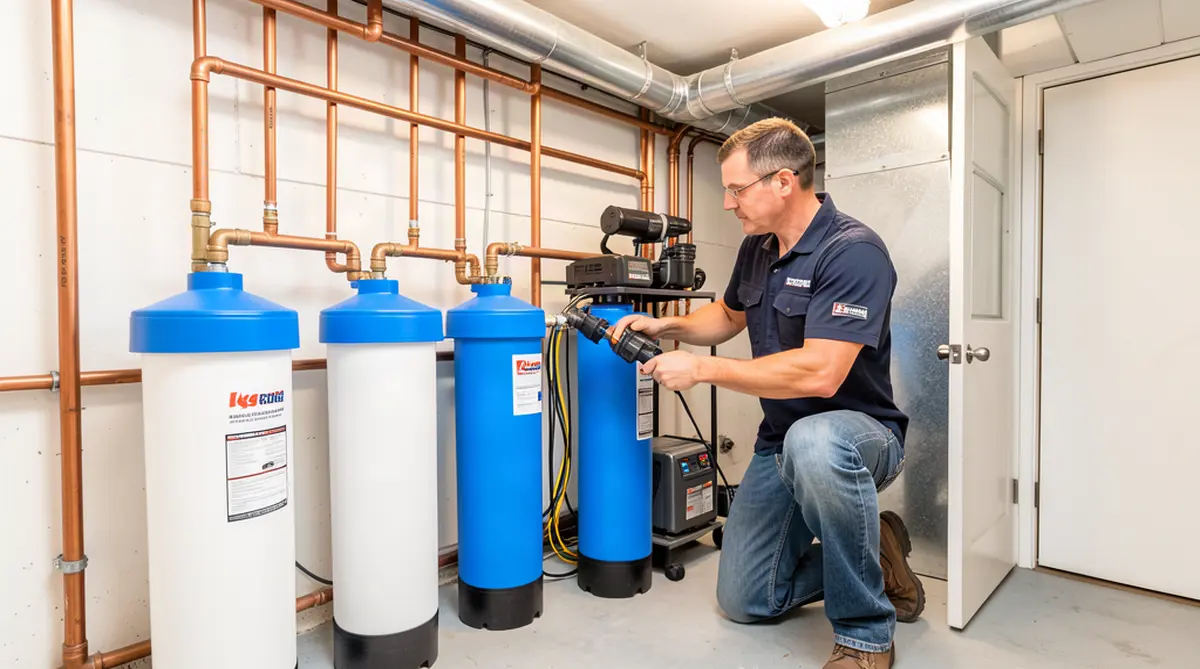
Well water bacteria treatment starts with understanding what is living in your water. Coliform bacteria, E. coli, and other microorganisms can enter private wells through surface water intrusion, damaged casings, or nearby septic systems — and they pose real health risks to your family. The good news is that bacteria in well water is almost always treatable with the right combination of testing, source correction, and disinfection.
Sulfur in well water is one of the most common and frustrating water quality problems for homeowners in South Carolina. If your water smells like rotten eggs, leaves a bitter taste, or stains your fixtures, you are dealing with hydrogen sulfide gas (H2S) — and the good news is that it is almost always treatable with the right removal system. The key is matching the treatment method to the sulfur concentration in your water.
If you live in Orangeburg, Rowesville, or anywhere in the South Carolina Midlands, sulfur odors are especially common in private wells. The groundwater in Orangeburg County flows through ancient marine sediments — limestone, marl, and sandy clay layers that contain naturally occurring sulfur compounds. When sulfate-reducing bacteria break down these compounds in the oxygen-free environment of your well, they release hydrogen sulfide gas. That is the rotten egg smell you notice every time you turn on the tap.
This complete guide covers how to remove sulfur from well water using the most effective treatment methods available — from catalytic carbon filtration for low levels to aeration and chlorine injection for high concentrations. We also cover how to test for sulfur, what causes the smell, and how to choose the right system for your home in the SC Midlands.
Free Well Water Test — No Obligation
Find out the sulfur level in your well water. Same-week appointments available across Orangeburg County.
Schedule Free TestWhat Causes Sulfur in Well Water?
Understanding the source of sulfur in your well water is the first step toward choosing the right treatment. Hydrogen sulfide gas enters well water through several pathways:
Natural groundwater chemistry. South Carolina's coastal plain geology — especially in Orangeburg, Bamberg, and Denmark — contains sulfur-rich mineral deposits. Water moving through these formations naturally picks up hydrogen sulfide. This is the most common cause of persistent sulfur odor in the region.
Sulfate-reducing bacteria. These bacteria live in well water, plumbing, and water heaters. They do not cause illness, but they produce hydrogen sulfide as a metabolic byproduct. They thrive in the warm, oxygen-free environment of your water heater — which is why sulfur smell is often worse in hot water than cold. Homeowners in Branchville and Elloree with older water heaters report this issue frequently.
Chemical reactions in the water heater. The magnesium anode rod in your water heater can chemically react with sulfate in the water to produce hydrogen sulfide. Replacing the magnesium rod with an aluminum rod often solves sulfur problems that only appear in hot water. This is a simple fix that costs under $50 and can be done in under an hour.
Iron bacteria and organic decay. In areas with high iron content — common in Cordova and Bowman — iron bacteria can create conditions that promote sulfur production. Organic matter decaying in the aquifer or near the well screen also releases sulfur compounds into the water.
How Do I Test for Sulfur in Well Water?
Testing for sulfur in well water requires more than a simple smell test. The concentration of hydrogen sulfide determines which treatment method will work. Professional testing measures:
Hydrogen sulfide concentration (mg/L). This is the most important measurement. At levels below 1 mg/L, a catalytic carbon filter is usually sufficient. Between 1 and 2 mg/L, aeration treatment is recommended. Above 2 mg/L, chlorine injection or ozone oxidation is needed.
pH level. Sulfur removal methods like aeration and chlorine injection work best at specific pH ranges. Low pH (acidic water) can reduce the effectiveness of some treatment methods.
Iron and manganese levels. Sulfur often appears alongside iron and manganese in South Carolina well water. These contaminants need to be measured together because the treatment method must address all three. Iron removal systems can be combined with sulfur treatment in a single multi-stage unit.
Hardness. Hard water minerals can affect the performance of some sulfur removal systems. If your water is also hard, a water softener installed before the sulfur treatment system will protect the equipment and improve overall water quality.
Dubya Water offers free on-site well water testing for homeowners in Rowesville, Cope, Norway, and all surrounding communities. Our technicians test for hydrogen sulfide, pH, iron, hardness, manganese, and TDS in one visit.
Sulfur Level Comparison: Treatment Method by Concentration
| Sulfur Level | Concentration | Recommended Treatment | Typical Cost |
|---|---|---|---|
| Low | Less than 1 mg/L | Catalytic carbon filter | $1,200–$2,800 |
| Moderate | 1–2 mg/L | Aeration system + filtration | $1,800–$4,000 |
| High | Over 2 mg/L | Chlorine injection or ozone | $2,000–$4,500 |
| Multi-Contaminant | Sulfur + iron + hardness | Multi-stage system | $3,000–$7,000 |
What Is the Best Sulfur Removal Method for Well Water?
The best sulfur removal method for well water depends on your specific water chemistry. Here is a breakdown of the most effective treatment options, from least to most aggressive:
1. Catalytic Carbon Filtration (Best for Low Levels)
Catalytic carbon filters use activated carbon media that has been treated to enhance its ability to oxidize and remove hydrogen sulfide. As water passes through the carbon bed, the hydrogen sulfide is converted into elemental sulfur, which is trapped in the filter media. These systems are simple, low-maintenance, and effective for sulfur levels below 1 mg/L. They are also excellent for removing chlorine, chloramine, and organic compounds that affect taste and odor.
2. Aeration Treatment (Best for Moderate Levels)
Aeration systems inject air into the water stream inside a pressurized tank. The oxygen in the air oxidizes hydrogen sulfide into insoluble sulfur particles, which are then removed by a downstream sediment filter. Aeration is chemical-free, environmentally friendly, and also effective at removing iron and manganese. These systems work well for sulfur levels between 1 and 2 mg/L and are a popular choice for homeowners in Orangeburg and St. Matthews who want a chemical-free solution.
3. Chlorine Injection (Best for High Levels)
For high sulfur concentrations (over 2 mg/L) or combined iron and sulfur problems, a continuous chlorine injection system is the most effective solution. A precise dose of chlorine is injected into the water, where it oxidizes hydrogen sulfide into sulfur particles. The water then flows through a retention tank for contact time, and a catalytic carbon filter removes the chlorine and sulfur particles. This method is highly effective but requires more maintenance than other options.
4. Ozone Oxidation (Advanced Treatment)
Ozone (O3) is the strongest oxidizer available for residential water treatment. Ozone systems inject ozone gas into the water, instantly oxidizing hydrogen sulfide, iron, manganese, and organic contaminants. Ozone treatment is extremely effective, leaves no chemical residue, and produces water that tastes and smells fresh. These systems are more expensive but offer the highest level of treatment for complex water quality issues.
Does a Water Softener Remove Sulfur Smell from Well Water?
No, a standard water softener does not remove sulfur smell. Water softeners use ion exchange to remove calcium and magnesium ions (hardness minerals), but hydrogen sulfide gas passes through the resin bed unchanged. However, if your well water has both hard water and sulfur, you will need both a water softener and a sulfur removal system. The softener is typically installed first to protect the sulfur treatment equipment from scale buildup.
If the sulfur smell only appears in your hot water, the problem may be in the water heater itself, not the well. Flushing the water heater and replacing the magnesium anode rod with an aluminum rod often solves this problem without any additional equipment. Dubya Water technicians can diagnose whether the sulfur is coming from the well or the water heater during a free on-site visit.
How Much Does Sulfur Removal Cost in South Carolina?
The cost of sulfur removal depends on the treatment method, the severity of the problem, and whether other contaminants need to be addressed simultaneously. Here are typical price ranges for Orangeburg County homeowners:
Catalytic carbon filter: $1,200–$2,800 installed. Aeration system: $1,800–$4,000 installed. Chlorine injection system: $2,000–$4,500 installed. Ozone system: $3,000–$6,000 installed. Complete multi-stage system (sulfur + iron + softening): $3,500–$7,500 installed.
Dubya Water offers free on-site estimates and a 10-year warranty on all installed treatment systems. We serve Bamberg, Denmark, Branchville, Elloree, and the entire Orangeburg area.
How to Remove Sulfur from Well Water: Step-by-Step Summary
- Test your water — Get a certified lab test that measures hydrogen sulfide concentration, pH, iron, and hardness.
- Check the water heater — If sulfur is only in hot water, flush the heater and replace the magnesium anode rod with aluminum.
- Choose the right treatment — Catalytic carbon for low levels, aeration for moderate, chlorine injection or ozone for high levels.
- Install the system — Professional installation ensures proper sizing, flow rate, and integration with existing plumbing.
- Add pre-filtration if needed — Sediment and iron filters protect the sulfur treatment equipment and improve performance.
- Retest annually — Confirm the system is working and your water stays sulfur-free.
Sulfur in Your Well Water? Let's Fix It.
Free water testing, expert treatment recommendations, and professional installation. Serving all of Orangeburg County.
Get Your Free Water TestFrequently Asked Questions About How to Remove Sulfur from Well Water
Frequently Asked Questions About Well Water Bacteria Treatment
How long does UV disinfection take to treat well water?
UV disinfection is instantaneous. As water flows past the UV lamp, it is exposed to UV-C light for a fraction of a second — enough to destroy 99.99% of microorganisms. There is no holding tank, no wait time, and no change in flow rate.
Can bacteria in well water cause health problems?
Yes. E. coli and other pathogenic bacteria can cause gastrointestinal illness, nausea, cramps, and diarrhea. For infants, elderly individuals, and people with weakened immune systems, the risks are more serious. Iron bacteria and sulfate-reducing bacteria do not cause illness but create unpleasant staining, slime, and odors.
Do I need to treat well water for bacteria if I have a water softener?
Yes. A water softener removes hardness minerals (calcium and magnesium) but does not kill or remove bacteria. If your well water has both hard water and bacteria, you need a softener and a UV disinfection system. The softener is usually installed before the UV system to prevent scale buildup on the quartz sleeve.
Does reverse osmosis remove bacteria from well water?
Reverse osmosis (RO) systems can remove bacteria through their semi-permeable membrane, but they are not the ideal primary treatment. RO systems are point-of-use (under the kitchen sink), not whole-home. For complete protection, a whole-home UV system treats every tap, and an optional RO system at the kitchen sink provides an extra layer of purification for drinking water.
How often should I replace my UV lamp?
UV lamps should be replaced every 12 months, even if the light still appears to be working. After 9,000 hours of continuous use, the UV output drops below the effective disinfection level. Annual lamp replacement is the single most important maintenance step for keeping your bacteria treatment working.