




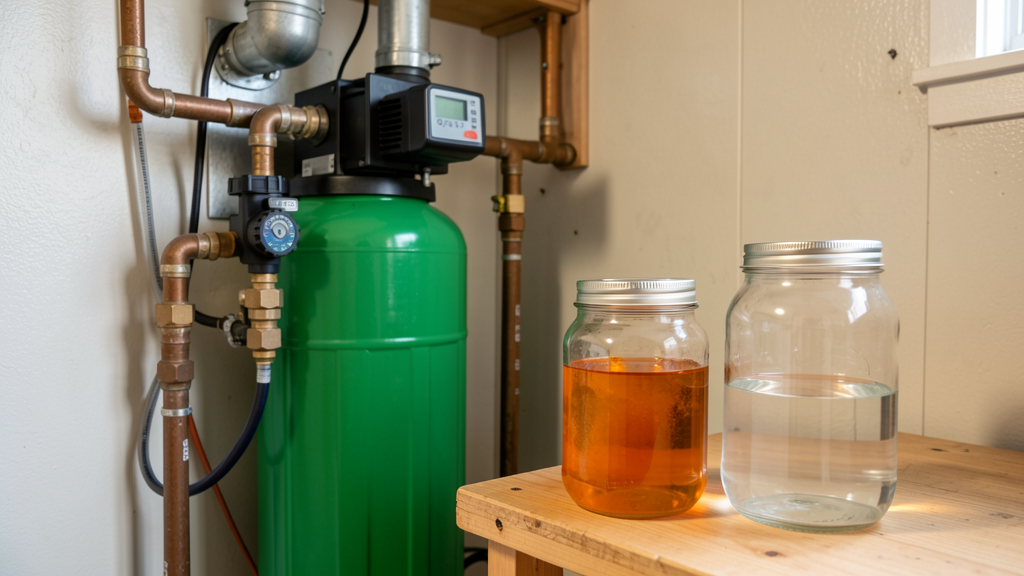
Iron in Well Water: How to Identify and Fix It in Your SC Home
By Dubya Water | Updated June 2026 | 8 min read
Source: Dubya Water SC
Location: Rowesville, South Carolina — serving Orangeburg County, Columbia, Lexington, Sumter, and the SC Midlands
"Iron is the most common water quality complaint we hear from well owners in Orangeburg County and the SC Midlands."
Even low concentrations of iron cause stubborn stains, metallic taste, and appliance damage. Understanding ferric vs ferrous iron, recognizing iron bacteria in well water SC, and comparing iron water filter cost Orangeburg SC will help you choose the best iron filter for well water in your home.
Types of Iron in Well Water
Not all iron is the same. Identifying which type you have is critical to choosing the right treatment method. Here is a complete breakdown of ferric vs ferrous vs bacterial iron with an appearance guide.
Ferrous Iron (Clear Water Iron)
Appearance: Water looks clear when first drawn from the tap. After 10–30 minutes of exposure to air, it turns orange or brown as the iron oxidizes.
Characteristics: This is dissolved iron that has not yet oxidized. It is invisible in fresh water. Ferrous iron is the most common type found in Orangeburg County wells.
Treatment: Oxidizing filters (air injection, Birm, greensand), water softeners (up to 2–3 ppm), or chemical injection.
Ferric Iron (Red Water Iron)
Appearance: Water comes out of the tap already orange, red, or cloudy with visible rust-colored particles. Sediment settles at the bottom of a glass.
Characteristics: This iron has already oxidized — either in the well, in the pipes, or in the pressure tank. Ferric iron is solid particles, not dissolved.
Treatment: Sediment filtration followed by oxidation/filtration for any remaining dissolved iron. Water softeners cannot remove ferric iron.
Iron Bacteria
Appearance: Reddish-brown slime in toilet tanks, on faucet aerators, and inside pipes. Water may have a musty, swampy, or earthy odor. Oily sheen may appear on standing water.
Characteristics: Naturally occurring bacteria that feed on iron in the water. They create a biofilm (slime) in plumbing that can clog pipes, reduce water pressure, and cause foul odors. Iron bacteria in well water SC is common in shallow wells and wells with high organic content.
Treatment: Chlorination (shock or continuous) combined with filtration. Standard iron filters and water softeners do not kill iron bacteria.
| Type | Appearance at Tap | After Sitting | Treatment Method |
|---|---|---|---|
| Ferrous (dissolved) | Clear | Turns orange/brown | Oxidation + filtration, or softener (low ppm) |
| Ferric (particulate) | Orange/red, cloudy | Sediment settles at bottom | Sediment filter + oxidation/filtration |
| Bacterial | Clear or tinted with slime | Slime forms, musty odor | Chlorination + carbon filtration |
Iron Test Results: What Do the Numbers Mean?
Understanding your iron test results is key to choosing the right treatment. Here is what different ppm ranges mean and what to do:
| Iron Level (ppm) | What You'll Notice | Recommended Treatment |
|---|---|---|
| < 0.3 ppm | Below EPA secondary standard — staining unlikely | No treatment needed for iron |
| 0.3 – 1.0 ppm | Minor staining on toilets, faint metallic taste | Water softener (if also hard water); point-of-use filter |
| 1.0 – 3.0 ppm | Orange stains on sinks, laundry, and fixtures; noticeable metallic taste | Air injection or Birm iron filter; or softener + iron resin |
| 3.0 – 10.0 ppm | Heavy staining on all fixtures, rusty sediment in water, strong metallic taste | Air injection oxidizing filter or chemical injection system |
| 10.0+ ppm | Severe staining, water may appear reddish from tap, pipe clogging likely | Chemical injection (chlorine/ozone) + retention + carbon filtration |
| Any level + bacteria | Slime, odor, biofilm in toilet tanks | Shock chlorinate well, then install continuous chlorination + carbon filter |
Orangeburg County well data: Most wells in Orangeburg County test between 1 and 5 ppm for iron, with some wells near the Edisto River and wooded areas reaching 10 ppm or higher. The prevalence of iron in the SC Midlands is driven by the region's Coastal Plain geology — groundwater passes through iron-rich sand and clay formations before reaching your well.
A free water test from Dubya Water measures exact iron concentration, identifies the iron type (ferrous vs ferric vs bacterial), and checks pH — all factors that determine the right treatment approach.
Signs of Iron in Your Well Water
- Orange-brown stains on sinks, toilets, bathtubs, and laundry
- Metallic taste in drinking water, coffee, or tea
- Reddish or cloudy water from the tap
- Reddish-brown slime in toilet tanks or on faucet aerators
- Musty, swampy, or earthy odor from water
- Oily sheen on the surface of standing water
- Clogged pipes or reduced water pressure over time
For laundry-specific issues, see our detailed guide: How to Remove Iron Stains From Well Water — which covers cleaning methods for different surfaces and permanent treatment options.
How to Remove Iron from Well Water
1. Oxidizing Iron Filters
- Best for: Iron levels 1–10 ppm (most common in SC wells)
- How it works: Converts dissolved ferrous iron into solid ferric iron, then filters it out
- Media types: Birm, greensand, air injection systems
- Choice depends on iron level and other water chemistry
2. Air Injection (Chemical-Free)
- Uses compressed air to oxidize iron without chemicals
- Works well for moderate iron levels (1–10 ppm)
- Also helps with hydrogen sulfide (rotten egg smell)
- Lowest maintenance option for most SC wells
3. Water Softener (Low Iron Only)
- Handles up to 2–3 ppm iron (plus removes hardness)
- For higher iron, install a dedicated iron filter before the softener
- Common in Orangeburg where both iron and hardness are present
4. Chlorination (for Iron Bacteria)
- Shock chlorinate the well, then install whole-house chlorine injection system
- Kills bacteria and oxidizes dissolved iron simultaneously
- Follow with a carbon filter to remove residual chlorine before tap water
- Essential if iron bacteria in well water SC is confirmed by testing
Iron Water Filter Cost Orangeburg SC
Iron water filter cost Orangeburg SC depends on the type of system, iron level, and whether additional contaminants need treatment. Here are typical installed prices from Dubya Water:
| System | Installed Cost | Best For |
|---|---|---|
| Air injection iron filter | $2,500 – $4,500 | 1–10 ppm ferrous iron, no bacteria |
| Birm iron filter | $2,000 – $3,500 | 1–8 ppm iron, pH above 7.0 |
| Greensand filter | $2,800 – $4,800 | Iron + manganese, moderate levels |
| Chlorine injection system | $3,000 – $5,500 | 10+ ppm iron, iron bacteria, or combined bacteria |
| Combined softener + iron filter | $3,000 – $5,500 | Iron + hardness together (common in Orangeburg) |
All systems include equipment, installation, programming, a post-installation water retest, and a 10-year parts and labor warranty. Call (803) 855-1055 for a free water test and custom quote.
The Right Fix Starts with Testing
Factors affecting treatment choice:
- Type of iron (ferrous vs ferric vs bacterial)
- Concentration level (ppm)
- Water pH
- Presence of other contaminants (hardness, manganese, sulfur, bacteria)
"A water test takes the guesswork out of the equation and ensures you get a system that actually solves the problem."
Dubya Water offers free comprehensive water testing for homeowners across 27 South Carolina communities. We test for iron type and level, pH, hardness, manganese, sulfur, TDS, and more — then recommend the right treatment with upfront pricing and no pressure.
City-Specific: Iron Levels in Orangeburg County Wells
Orangeburg County sits above the Floridan and Black Creek aquifers, both of which are naturally rich in iron-bearing minerals. Typical iron levels in the county range from 1 to 5 ppm, with higher concentrations near the Edisto River basin and in areas with shallow wells. The prevalence of iron in the SC Midlands means that most homes without treatment will see staining, metallic taste, and pipe buildup over time.
For other common well water issues in the region, see our guides on well water testing in Orangeburg SC, well water treatment in Orangeburg County, and bacteria in well water in Bamberg SC.
Get Your Water Tested — Free
Know exactly what is in your well water before buying any equipment.
Call (803) 855-1055 or schedule online.
Learn more on our iron removal service page or book a well water testing appointment.
Frequently Asked Questions
Is iron in well water harmful to drink?
Iron is not a health hazard at typical levels found in SC well water. The EPA secondary standard of 0.3 ppm is based on taste, staining, and appearance — not health concerns. Very high levels can affect the taste of water, coffee, and tea. However, if iron bacteria is present, the bacteria themselves can cause gastrointestinal issues in sensitive individuals.
What is the difference between ferric vs ferrous iron in well water?
Ferric vs ferrous iron: Ferrous iron is dissolved and invisible when first drawn from the tap — it turns orange after exposure to air. Ferric iron is already oxidized and appears as visible orange-red particles or cloudy water right from the tap. Ferrous iron requires oxidation before filtration; ferric iron can be filtered directly with a sediment filter. This distinction is critical for choosing the right treatment system.
What is the best iron filter for well water in South Carolina?
The best iron filter for well water depends on your specific water chemistry. For most SC wells with 1–10 ppm ferrous iron and pH above 6.5, an air injection oxidizing filter is the most effective and lowest-maintenance option. For wells with iron bacteria or combined iron and sulfur, a chemical injection system may be better. A free water test from Dubya Water determines the right system for your home.
How much does an iron water filter cost in Orangeburg SC?
Iron water filter cost Orangeburg SC ranges from $2,000 to $5,500 installed depending on the system type. An air injection iron filter (most common for Orangeburg County) runs $2,500–$4,500 installed. A combined softener + iron filter runs $3,000–$5,500. All Dubya Water installations include equipment, labor, and a 10-year warranty. Call (803) 855-1055 for a free water test and quote.
Will a whole-house filter remove iron stains?
The right whole-house iron filter prevents new stains from forming by removing iron from your water before it reaches your fixtures. However, existing stains on laundry, sinks, and toilets need to be cleaned separately with rust-removing products or acidic cleaners. Once the iron filter is installed, those stains will not return.
How can I tell if I have iron bacteria in my well water?
Signs of iron bacteria in well water SC include reddish-brown slime in toilet tanks, musty or swampy odors, an oily sheen on standing water, and reduced water pressure from biofilm buildup in pipes. Iron bacteria is more common in shallow wells and after flooding events. A laboratory test is the only definitive way to confirm iron bacteria. See our guide on bacteria in well water in Bamberg SC for more details.
How much iron is too much in well water?
The EPA secondary standard for iron is 0.3 ppm. Above this level, you will notice staining and metallic taste. Many Orangeburg County wells test 1–5 ppm; some reach 10 ppm or higher. Any level above 0.3 ppm benefits from treatment. At 3+ ppm, staining becomes heavy and pipe clogging accelerates. At 10+ ppm, chemical injection systems are typically needed.