




Hard Water Solutions for Homes: A Complete Guide
Published March 19, 2026 • Updated June 26, 2026 • By Dubya Water
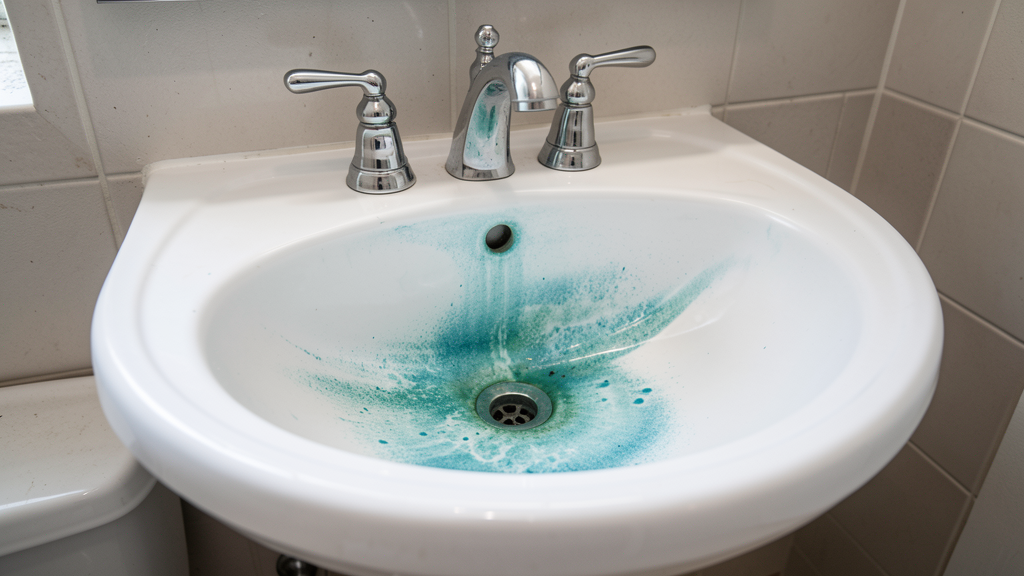
What are the best hard water solutions for homes? The best solution depends on your water hardness level. For most SC homes with 7+ GPG hardness, a whole-home ion-exchange water softener is the gold standard. For lighter hardness (3-7 GPG), salt-free conditioners work well. Magnetic and electronic descalers offer a budget-friendly option, and reverse osmosis systems deliver pure drinking water at the tap. This guide compares every hard water treatment option so you can choose what is right for your South Carolina home.
Hard water is one of the most common water quality issues in Orangeburg County and across the SC Midlands, caused by high concentrations of dissolved calcium and magnesium in the groundwater. While not a health hazard, it costs homeowners hundreds per year in appliance damage, energy waste, and extra cleaning products. The good news: there are proven hard water solutions for homes at every price point, from budget-friendly descalers to whole-home water softeners.
What Makes SC Water So Hard?
Much of the water in Orangeburg County comes from wells that tap into limestone and sedimentary rock formations. As groundwater moves through these layers, it picks up calcium and magnesium. The result is water that tests between 7 and 15 grains per gallon (GPG) in most areas of the SC Midlands, which is classified as hard to very hard. Learn more about the geology in our guide on Does South Carolina Have Hard Water?
7 Signs You Have Hard Water
- White scale buildup on faucets and showerheads: That crusty white or off-white deposit around your fixtures is calcium carbonate, the most visible sign of hard water.
- Spots on dishes and glassware: If your glasses come out of the dishwasher with cloudy spots or white film, hard water minerals are leaving deposits during the rinse cycle.
- Soap that does not lather well: Hard water reacts with soap to form soap scum instead of suds. You end up using more soap, shampoo, and detergent to get the same results.
- Dry, itchy skin and flat hair: The mineral film left behind after showering can dry out your skin and make hair feel stiff and lifeless.
- Stiff, dingy laundry: Clothes washed in hard water can feel rough and look dull because minerals get trapped in the fabric fibers.
- Reduced water heater efficiency: Scale builds up inside your water heater tank and on the heating elements, making it work harder and use more energy. This is one of the hidden costs of hard water that adds up over years.
- Clogged pipes and low water pressure: In severe cases, mineral buildup inside pipes gradually restricts water flow. Older galvanized steel pipes are especially vulnerable.
How to Check Water Hardness at Home
There are several ways to determine your water hardness level. If you want to learn how to check water hardness at home, here are your options:
- Water hardness test kit GPG: Available at any hardware store for about $10. Dip a test strip in your water, wait 30 seconds, and match the color to the chart. This gives you a rough idea of your GPG level. A water hardness test kit GPG is a good starting point but less accurate than professional testing.
- Free professional test (recommended): Dubya Water provides free on-site testing that measures hardness, iron, pH, sulfur, and TDS with laboratory-grade accuracy. A certified technician comes to your home and shows you the actual numbers in about 30 minutes.
- State-certified lab test: Mail a water sample to a SC DHEC-certified lab. Most accurate but takes 5-7 business days and costs $20 to $60 for a basic hardness test.
The USGS classification scale is: 0-3.5 GPG = soft, 3.5-7 GPG = moderately hard, 7-10.5 GPG = hard, and 10.5+ GPG = very hard. Most Orangeburg County well water tests in the hard to very hard range.
Cost of Untreated Hard Water: What It Really Costs You
Many SC homeowners do not realize how much hard water is actually costing them. The hidden costs of untreated hard water add up to hundreds of dollars per year. Here is a breakdown:
| Area of Impact | How Hard Water Causes Damage | Estimated Annual Cost |
|---|---|---|
| Water Heater | Scale buildup insulates heating elements, reducing efficiency up to 30%. Shortens lifespan by 3-5 years. | $150–$300 |
| Dishwasher | Scale clogs spray arms and heating elements. Spotting requires rewashing or extra rinse agents. | $50–$100 |
| Washing Machine | Mineral deposits in fabric wear out clothes faster. More detergent needed per load. | $80–$150 |
| Soap & Detergent | Hard water requires 30-50% more soap, shampoo, and detergent to get the same cleaning power. | $100–$200 |
| Plumbing Repairs | Scale restricts pipe flow. Faucets and shower valves clog and need replacement sooner. | $100–$300 |
| Total Estimated Cost | Combined appliance, energy, and cleaning costs per year | $480–$1,050+ |
Over a 5-year period, untreated hard water can cost a typical SC homeowner between $2,400 and $5,250 in appliance damage, energy waste, and extra cleaning products. A water softener typically costs $1,500 to $3,500 installed and lasts 10-15 years — making it a clear financial winner.
"Over a 5-year period, untreated hard water can cost a typical SC homeowner between $2,400 and $5,250 in appliance damage, energy waste, and extra cleaning products. A water softener pays for itself."
Hard Water Solutions for Homes: Which Is Right for You?
When searching for how to fix hard water, homeowners in South Carolina have four main hard water treatment options. Here is how they compare:
| Solution | How It Works | Whole-Home? | Hardness Removed? | Best For | Installed Cost |
|---|---|---|---|---|---|
| Water Softener (Ion Exchange) |
Resin beads swap calcium & magnesium for sodium ions; regenerates with salt brine | ✅ Yes | ✅ 99%+ removed | Homes with 7+ GPG hardness; iron present; best hair & skin results | $1,500–$3,500 |
| Salt-Free Conditioner (TAC/NAC) |
Template-assisted crystallization changes mineral structure so scale does not form | ✅ Yes | ❌ No — prevents scale but minerals remain | Lower hardness (3-7 GPG); sodium-restricted diets; low-maintenance preference | $1,200–$2,800 |
| Magnetic / Electronic Descaler | Magnetic or electromagnetic field alters mineral behavior to reduce scaling | ✅ Yes | ❌ No — scale reduction varies | Budget-friendly尝试; renters; mild hardness only; results vary by install | $200–$800 |
| Reverse Osmosis (Under-Sink) |
Semi-permeable membrane filters out hardness, lead, sodium, and most contaminants | ❌ Single faucet only | ✅ Yes — for drinking water | Drinking & cooking water only; pairing with whole-home softener | $200–$600 (unit) + install |
Installation Cost Breakdown
Understanding hard water treatment options also means understanding what they cost to install. Here is what SC homeowners typically pay:
- Water softener installation: $1,500–$3,500 includes the unit, bypass valve, drain line, brine tank, and labor. Larger homes or those with iron require larger units at the higher end.
- Salt-free conditioner installation: $1,200–$2,800. No drain or brine tank needed, which simplifies installation slightly.
- Magnetic/electronic descaler: $200–$800 DIY or $400–$1,000 installed. Wrap-around coils or inline units. Least effective but lowest upfront cost.
- Reverse osmosis system: $200–$600 for a quality under-sink unit; $150–$300 for professional installation. Requires a dedicated faucet hole.
Most SC homeowners see a full return on investment from a water softener within 2-4 years through reduced soap usage, lower energy bills, and extended appliance life. For a detailed local breakdown, see our water softener cost Orangeburg SC guide.
Water Softener vs Water Conditioner vs Reverse Osmosis
When searching for a hard water fix Orangeburg, homeowners often encounter three main options. Understanding the difference between a water softener vs conditioner SC homeowners choose can help you make the right decision. Here is a side-by-side comparison:
| Feature | Water Softener (Ion Exchange) | Water Conditioner (Salt-Free) | Reverse Osmosis (Under-Sink) |
|---|---|---|---|
| How it works | Removes calcium & magnesium via resin beads and salt regeneration | Changes mineral structure (template-assisted crystallization) so they don't stick | Forces water through a semi-permeable membrane, removing almost everything |
| Removes hardness? | ✅ Yes — removes 99%+ | ❌ No — prevents scale but minerals remain | ✅ Yes — for drinking water only |
| Whole-home protection? | ✅ Yes — every tap | ✅ Yes — every tap | ❌ No — single faucet only |
| Hair & skin benefits? | ✅ Excellent — removes residue film | ⚠️ Partial — less effective for skin/hair relief | ❌ Shower not covered |
| Maintenance | Add salt every 4-8 weeks | ✅ Low — no salt, minimal upkeep | Replace filters every 6-12 months |
| Best for | Homes with 7+ GPG hardness and iron issues | Lower hardness (3-7 GPG), sodium concerns | Drinking water only — removes lead, chemicals, sodium |
| Installed cost | $1,500–$3,500 | $1,200–$2,800 | $200–$600 (unit only) |
Water Softener (Ion Exchange) — The Gold Standard for SC
A whole-home water softener is the standard solution for hard water. It uses an ion exchange process to remove calcium and magnesium from your water before it reaches your fixtures and appliances. Modern softeners are efficient, low-maintenance, and typically pay for themselves within a few years through reduced soap usage, lower energy bills, and extended appliance life. For most SC homes with hardness above 7 GPG, this is the best hard water fix Orangeburg homeowners can choose.
Water Conditioner (Salt-Free Alternative)
If you prefer not to use salt, a water softener vs conditioner SC comparison shows the conditioner changes the structure of hard water minerals so they do not stick to surfaces. This prevents scale buildup without actually removing the minerals. It is a good option for people on sodium-restricted diets or those who want lower maintenance. However, conditioners are less effective for homes with very hard water (10+ GPG) and do not provide the same hair and skin benefits as a traditional softener.
Reverse Osmosis (Drinking Water Only)
Reverse osmosis (RO) is installed under the kitchen sink and provides purified drinking water. It removes hardness, lead, sodium, and most contaminants for drinking water. RO is excellent for drinking water quality but does not address whole-house hardness. Many SC homeowners combine a whole-home softener with an under-sink RO system for the best of both worlds.
Start with a Free Water Test Near Me
The first step is always testing your water. A professional water test tells you exactly how hard your water is and whether there are other issues like iron, sulfur, or pH imbalance that need to be addressed at the same time. At Dubya Water, we offer free water testing for homeowners in Orangeburg County and the SC Midlands.
We also offer water softener installation in Rowesville SC and all surrounding communities. For pricing details, see our water softener cost Orangeburg SC guide.
Free Water Test Near Me — (803) 855-1055
Not sure which hard water solution for your home is right? Start with a free professional water test. Call (803) 855-1055 or schedule your free water test online. We serve Orangeburg, Columbia, Lexington, Sumter, and all surrounding SC Midlands communities.
Frequently Asked Questions
Is hard water safe to drink?
Yes. Hard water is not a health risk. The calcium and magnesium in hard water are actually minerals your body needs. The problems with hard water are related to your home, not your health: scale buildup, appliance damage, and soap inefficiency.
How much does a water softener cost in South Carolina?
A whole-home water softener typically costs between $1,500 and $3,500 installed in South Carolina, depending on the size of your home and the hardness level of your water. Most homeowners see a return on investment within 2-4 years through reduced soap, energy, and plumbing costs. See our detailed water softener cost Orangeburg SC page for exact pricing.
How do I know how hard my water is?
A professional water test is the most accurate way. You can also use a water hardness test kit GPG from a hardware store for about $10, though these are less precise. At Dubya Water we offer free professional testing. The USGS scale: 0-3.5 is soft, 3.5-7 is moderate, 7-10.5 is hard, and above 10.5 is very hard. Most Orangeburg County well water tests in the hard to very hard range.
What is the difference between a water softener and a water conditioner?
A water softener vs conditioner SC comparison: a water softener uses ion exchange to remove calcium and magnesium entirely. A conditioner (salt-free) changes the structure of hardness minerals so they do not stick to surfaces, but does not remove them. For most SC homes with hardness above 7 GPG, a traditional water softener is more effective, especially for improving hair and skin.
Does hard water damage appliances?
Yes. Hard water scale buildup inside water heaters, dishwashers, washing machines, and coffee makers reduces efficiency and shortens lifespan. Scale acts as an insulator on water heater elements, making them work harder and use more energy. Appliance damage from hard water costs SC homeowners between $480 and $1,050+ per year in premature replacement and higher utility bills.
Can I test my water hardness at home?
To learn how to check water hardness at home, buy a water hardness test kit GPG at any hardware store. Dip the test strip, wait 30 seconds, and compare the color to the included chart. This gives a rough estimate. For a precise reading and full mineral analysis, schedule a free professional water test from Dubya Water.
What is the best hard water fix for Orangeburg SC homes?
The best hard water fix Orangeburg depends on your specific water chemistry. For most homes with hardness above 7 GPG, a whole-home ion-exchange water softener is the most effective hard water solution for homes. If iron is also present (common in Orangeburg County), a combination softener and iron filter is recommended. For a full comparison of every hard water treatment option, see the comparison table above. Start with a free water test from Dubya Water to determine the right system for your home. We also provide water softener installation in Rowesville SC and throughout the Midlands.
Get Your Free Water Test Near Me — (803) 855-1055
Searching for hard water solutions for homes? The first step is a free, no-obligation water test. We serve all of Orangeburg County, the SC Midlands, and surrounding areas.
Schedule Free Water Test Near Meor call (803) 855-1055 — Same-day appointments available