




How to Remove Iron from Well Water: The Complete Guide
By Dubya Water | Updated June 2026 | 7 min read
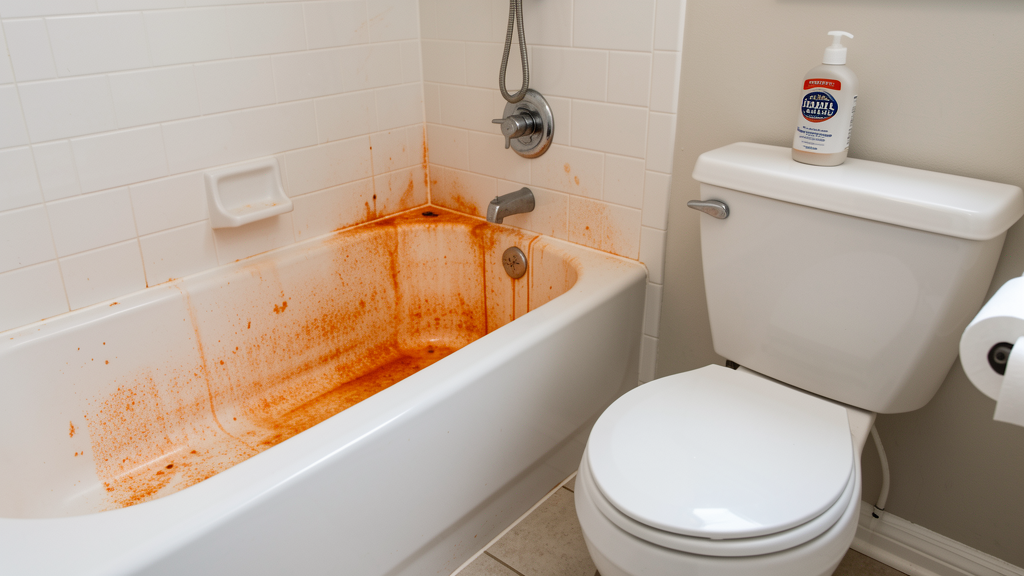
Iron stains are one of the most common and frustrating water quality problems for well owners in South Carolina. Those orange, red, and brown stains on your sinks, toilets, bathtubs, and laundry are caused by dissolved iron in your well water reacting with oxygen. Learning how to remove rust stains from well water is the first step toward reclaiming your plumbing fixtures and laundry.
Whether you are searching for an iron removal system cost SC comparison, weighing air injection vs water softener iron removal options, or looking for an iron filter for well water Orangeburg SC, this guide covers every method and helps you choose the right solution for your home.
Why Does Well Water Cause Iron Stains?
South Carolina's Coastal Plain geology is rich in iron-bearing minerals. When groundwater passes through these formations, it picks up dissolved iron (ferrous iron). This iron is invisible in the water, but when exposed to air at your faucet, it oxidizes into ferric iron, the visible orange-brown substance that stains everything it touches. Wells in Orangeburg, Bamberg, and Calhoun counties are particularly prone to high iron levels due to the local aquifer composition.
In Orangeburg County specifically, well water iron levels commonly range from 1 to 10 ppm (parts per million), with some wells testing as high as 15 ppm. The EPA secondary standard for iron is just 0.3 ppm — meaning most Orangeburg-area wells have 3 to 50 times the staining threshold. This is why how to remove rust stains from well water is such a common question across the SC Midlands.
Iron Stains on Different Surfaces
Iron stains show up differently depending on the surface. Here is how to identify and address them:
Laundry
Orange, yellow, or brown spots on white clothes after washing. Iron in the water bonds with fabric fibers and oxidizes in the dryer. Prevention requires treating the water before it enters the washing machine. How to remove rust stains from well water laundry: Use a rust-removing laundry additive (e.g., Iron Out or sodium hydrosulfite) for existing stains, but the permanent fix is an iron filter at the point of entry.
Toilets
Orange-brown rings at the water line and rust-colored sediment in the toilet tank. This is often the first place homeowners notice iron staining. The standing water in the bowl allows iron to oxidize fully. Regular cleaning with pumice stones or acidic bowl cleaners can manage the appearance, but the iron in the tank will keep returning until you install a whole-house iron removal system.
Sinks and Bathtubs
Orange-brown streaks around drains and in basins where water pools and evaporates. Porcelain and fiberglass surfaces stain easily. Existing stains can be cleaned with oxalic acid-based cleaners (e.g., Bar Keepers Friend) or commercial rust removers. For stubborn stains on sinks and tubs, avoid bleach — it can actually set iron stains permanently on some surfaces.
Driveways and Exterior Surfaces
Rust-colored runoff from sprinklers or hose water can stain concrete driveways, walkways, and siding. These stains are difficult to remove once set. Pressure washing with a rust-specific cleaner helps, but the only permanent solution is treating the iron at the source before it reaches your outdoor taps.
Temporary Solutions for Existing Stains
Before addressing the source, you can clean existing iron stains with these methods:
- Commercial rust removers: Products like Iron Out or Whink Rust Stain Remover work on laundry, sinks, and toilets.
- Lemon juice and salt: A natural paste that can lift light iron stains from porcelain surfaces.
- Oxalic acid cleaners: Bar Keepers Friend is effective on sinks and bathtubs.
- Pumice stone: For toilet bowls — wet the stone and gently rub the stain ring.
- Hydrogen peroxide: Can help with fresh laundry stains when applied before washing.
However, these are temporary fixes. The stains will return within days unless you treat the iron at its source with an iron filter for well water Orangeburg SC.
Stop Iron Stains Permanently
A professional iron removal system eliminates stains at the source. Schedule your free water test today.
Iron Removal Methods Compared
There are four primary methods for removing iron from well water. Each has pros and cons depending on your iron type, level, pH, and budget. Understanding air injection vs water softener iron removal and the other options helps you choose wisely.
1. Water Softener (Ion Exchange)
| Pros | Cons |
|---|---|
| Removes hardness + low iron (up to 2–3 ppm) in one system | Ineffective for ferric iron, iron bacteria, or iron above 3 ppm |
| Low equipment cost ($1,200–$2,500) | Resin can become fouled by high iron — requires frequent cleaning or replacement |
| Low maintenance (salt refills only) | Does not remove manganese or sulfur effectively |
Best for: Homes with low iron (under 2–3 ppm) plus hard water. Common in homes on city water with trace iron.
2. Air Injection Oxidizing Filter
| Pros | Cons |
|---|---|
| Chemical-free — uses compressed air to oxidize iron | Higher upfront cost ($2,500–$4,500) |
| Handles moderate to high iron (1–10 ppm) | Requires adequate water pressure and flow rate |
| Also removes hydrogen sulfide (rotten egg smell) | Backwash cycle uses water (20–40 gallons per cycle) |
| Works on ferrous and some ferric iron | pH-dependent — works best at pH 7.0 or above |
Best for: Most Orangeburg County wells with 2–10 ppm iron and moderate hardness. The most common recommendation from Dubya Water.
3. Chemical Injection (Chlorine or Ozone)
| Pros | Cons |
|---|---|
| Handles very high iron levels (10+ ppm) | Requires chemical refills (chlorine) or electricity (ozone) |
| Kills iron bacteria effectively | More complex maintenance than other systems |
| Also disinfects for coliform bacteria | Requires carbon filter to remove residual chlorine |
| Works on all iron types (ferrous, ferric, bacterial) | Higher ongoing cost for chemicals |
Best for: Wells with iron bacteria, very high iron (10+ ppm), or combined iron + bacterial contamination.
4. Greensand Filter
| Pros | Cons |
|---|---|
| Proven technology — used for decades in municipal treatment | Requires potassium permanganate regeneration |
| Effective on moderate iron (1–8 ppm) plus manganese | Chemical handling and storage needed |
| Filters out ferric iron particles | Higher maintenance than air injection systems |
Best for: Well water with combined iron and manganese at moderate levels where air injection is not suitable.
What Type of Iron Is in Your Well Water?
Before choosing an iron removal system, you need to know what kind of iron you are dealing with. The two main types are ferric iron (visible red particles that settle in standing water) and ferrous iron (dissolved iron that is invisible when wet but stains surfaces when oxidized).
Ferric iron is easier to remove — a simple sediment filter or mechanical filtration often does the trick. Ferrous iron requires an oxidation process, which is why water softeners, air injection oxidizers, and catalytic media filters are the most common solutions for South Carolina well water.
Not sure which type you have? Fill a clear glass from the tap. If the water comes out clear but turns red or cloudy after sitting for an hour, you have ferrous iron. If the water has visible red particles immediately, it is ferric iron. A free water test will tell you exactly what is in your water.
Iron Removal System Cost SC
Iron removal system cost SC varies by method and water chemistry. Here are typical installed price ranges:
| System Type | Installed Cost | Annual Maintenance |
|---|---|---|
| Water softener (for low iron + hardness) | $1,200 – $2,500 | $60–$120 (salt) |
| Air injection iron filter | $2,500 – $4,500 | $50–$100 (media check) |
| Chemical injection system (chlorine) | $3,000 – $5,500 | $200–$400 (chemicals + carbon) |
| Greensand filter | $2,800 – $4,800 | $150–$300 (permanganate + media) |
| Combined softener + iron filter | $3,000 – $5,500 | $100–$200 (salt + media) |
All Dubya Water installations include equipment, on-site installation, system programming, a post-installation water retest, and a 10-year parts and labor warranty. Call (803) 855-1055 or schedule your free well water test near me online for a custom quote based on your water test results.
Which Iron Removal System Is Best for Your Home?
The only way to permanently eliminate iron stains is to remove the iron from your water before it reaches your fixtures. Professional iron removal systems from Dubya Water use oxidation and filtration to trap iron particles and prevent them from entering your home's plumbing. These systems are installed at the point of entry and treat all the water in your home automatically.
Every installation begins with a free on-site water test that measures iron level, iron type (ferrous vs ferric), pH, hardness, and other contaminants. This ensures you get exactly the right system — not a generic one-size-fits-all solution.
How Much Iron Is Too Much?
The EPA secondary standard for iron is 0.3 parts per million (ppm). At this level, you will start noticing staining. Many South Carolina wells test between 1 and 10 ppm, well above the staining threshold. Orangeburg County, in particular, has some of the highest iron levels in the SC Midlands due to its location over the Floridan and Black Creek aquifers.
For a deeper understanding of iron in your water, read our companion guide: Iron in Well Water: How to Identify and Fix It.
City-Specific: Iron Levels in Orangeburg and the SC Midlands
Homeowners in Orangeburg, Bamberg, Calhoun, and Dorchester counties deal with the highest iron concentrations in the region. The shallow and deep aquifers in this part of the Coastal Plain are naturally rich in iron-bearing minerals. Many Orangeburg County wells test between 1 and 10 ppm, with some reaching 15 ppm or higher in areas near the Edisto River basin.
If you notice orange stains on your fixtures in Orangeburg, you are not alone — and the solution is straightforward with the right equipment. For other water quality concerns common in the area, see our guides on green stains from copper in well water and cloudy well water causes and solutions.
Frequently Asked Questions
Will a water softener remove iron stains?
A water softener can remove dissolved (ferrous) iron up to about 2–3 ppm as part of the ion exchange process. However, it will not remove ferric iron particles or iron bacteria. For most Orangeburg-area wells testing 1–10 ppm iron, a dedicated iron filter is needed before the softener. Combining iron filtration with water softening is the most common and effective solution for SC Midlands homes.
How much does an iron removal system cost in South Carolina?
Iron removal system cost SC ranges from $1,200 for a water softener (low iron) to $5,500+ for a chemical injection system (high iron + bacteria). The most common recommendation for Orangeburg County — an air injection iron filter — runs $2,500–$4,500 installed with a 10-year warranty. Schedule a free water test for an exact quote.
What is the difference between air injection vs water softener iron removal?
Air injection vs water softener iron removal: Air injection uses compressed air to oxidize dissolved iron into solid particles, then filters them out — handling up to 10 ppm iron without chemicals. Water softeners use ion exchange resin to trap dissolved iron, but are limited to 2–3 ppm and cannot handle ferric iron or iron bacteria. Air injection is the better choice for most SC well water with iron levels above 3 ppm.
How to remove rust stains from well water permanently?
The only permanent way to remove rust stains is to install a whole-house iron removal system that treats water at the point of entry. Temporary cleaning methods (rust removers, pumice stones, oxalic acid) only mask the problem — stains will return within days. A properly sized iron filter prevents new stains from forming and eliminates the source of the rust.
What is the best iron filter for well water in Orangeburg SC?
The best iron filter for well water Orangeburg SC depends on your specific water chemistry. For most Orangeburg County wells (1–10 ppm ferrous iron, pH 6.5–8.0), an air injection oxidizing filter is the most effective and lowest-maintenance option. If iron bacteria or very high iron (10+ ppm) is present, a chemical injection system may be needed. A free water test from Dubya Water determines the right solution for your home.
How often should I test my well water for iron?
Test your well water for iron at least once per year, or anytime you notice new staining, metallic taste, or changes in water clarity. After installing an iron filter, retest after 4–6 weeks to confirm the system is working properly. Dubya Water offers free on-site water testing for Orangeburg County residents.
Can I use bleach to remove iron stains from my toilet?
No — avoid bleach for iron stains. Bleach can actually set iron stains permanently on porcelain and other surfaces. Instead, use a pumice stone (wet the stone first) for gentle scrubbing, or a commercial rust remover specifically designed for iron stains. To prevent stains from returning, treat the iron at the source with a whole-house iron filter.
Take Action: Free Water Testing
If you are dealing with orange-brown iron stains, the solution starts with knowing exactly what is in your water. Dubya Water provides free on-site water testing for homeowners across 27 South Carolina communities. We test for iron type and level, pH, hardness, manganese, and other contaminants — then recommend the right iron removal system with upfront pricing and no pressure.
Stop Iron Stains for Good
Call us at (803) 855-1055 or schedule your free well water test near me online or schedule your free water test online.
Learn more about our solutions on the iron removal service page.