




Iron Bacteria in Well Water: Bamberg SC Treatment Solutions
By Dubya Water Treatment | July 26, 2026 | 8 min read
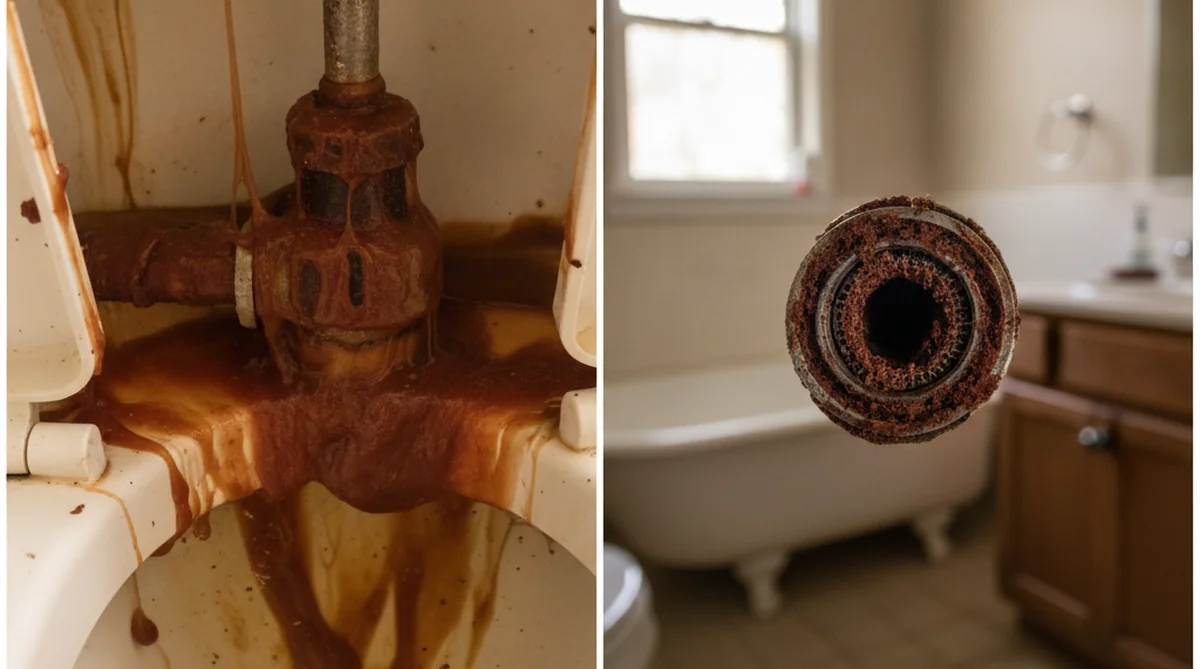
Iron bacteria in well water are naturally occurring microorganisms that feed on iron and manganese, creating slimy rust-colored biofilm, foul odors, and staining problems throughout your Bamberg, SC home's plumbing system. Professional treatment combining chemical shocking, filtration systems, and ongoing maintenance can eliminate iron bacteria and restore your well water quality.
What Are Iron Bacteria and How Do They Affect Bamberg Well Water?
Iron bacteria are microorganisms that naturally occur in soil and groundwater throughout Orangeburg County, thriving in the iron-rich geology common to Bamberg and surrounding areas. These bacteria don't make you sick, but they consume dissolved iron and manganese in your well water, producing sticky rust-colored slime that coats well casings, pipes, fixtures, and water treatment equipment. Bamberg homeowners often first notice iron bacteria through reddish-brown staining in toilets and sinks, a swampy or petroleum-like odor from their water, or reduced water pressure as the biofilm accumulates inside pipes.
The problem intensifies during warmer months when bacteria multiply more rapidly in the humid South Carolina climate. Once established in your well system, iron bacteria form persistent colonies that continuously regenerate, making them impossible to eliminate with standard water softeners or basic filtration alone.
How Can You Identify Iron Bacteria in Your Bamberg Home?
Iron bacteria leave several telltale signs that distinguish them from simple iron staining or other water quality issues. The most obvious indicator is a slimy, rust-colored or rainbow-colored sheen floating on toilet tank water or any standing water from your well. You may also notice thick, gel-like masses accumulating in toilet tanks, a musty or oily smell from your cold water taps, or persistent orange and brown staining that reappears quickly even after cleaning.
At Dubya Water Treatment, we provide free water testing before any sale to accurately identify iron bacteria and other contaminants affecting your Bamberg well water. Our testing distinguishes between dissolved iron (which turns water orange after exposure to air) and iron bacteria (which creates slime and odor problems even in cold water). This professional analysis is essential because iron bacteria require specialized treatment approaches that differ completely from standard iron removal methods.
What Treatment Solutions Work Best for Iron Bacteria in Bamberg Wells?
Effective iron bacteria treatment requires a multi-step approach that first disinfects the entire well system, then prevents recontamination through proper filtration and maintenance. The treatment process begins with chemical shock chlorination, where a concentrated chlorine solution is introduced throughout the well casing, distribution pipes, and pressure tank to kill existing bacteria colonies. This involves circulating chlorinated water through every faucet and fixture in your home, letting it sit for 12-24 hours, then thoroughly flushing the system.
Following initial disinfection, Bamberg homeowners need a continuous treatment system to prevent iron bacteria from returning. The most effective solutions include:
- Chemical feed systems that inject chlorine or hydrogen peroxide into water before it enters your home, continuously suppressing bacterial growth
- Multi-stage filtration systems combining oxidation, filtration, and carbon treatment to remove both iron and bacteria
- UV sterilization systems that use ultraviolet light to kill bacteria without chemicals
- Regular maintenance programs including periodic shock treatments to prevent colony re-establishment
If you're experiencing signs of iron bacteria contamination, call Dubya Water Treatment at (803) 855-1055 to schedule your free water test and receive a customized treatment plan for your Bamberg property.
Why Do Iron Bacteria Keep Coming Back in Orangeburg County Wells?
Iron bacteria are notoriously persistent because they exist naturally in the aquifer that supplies your well, meaning new bacteria can continuously enter your system from the surrounding groundwater. The iron-rich soil conditions throughout Bamberg and Orangeburg County create an ideal environment for these microorganisms to thrive. Even after successful shock chlorination, bacteria can re-enter through the well screen or multiply from microscopic colonies that survived treatment in hard-to-reach areas of your well casing.
Additionally, iron bacteria form protective biofilm layers that shield them from disinfectants, allowing some colonies to survive initial treatment attempts. This is why one-time shock treatments rarely provide permanent solutions—most Bamberg homeowners with iron bacteria problems need ongoing treatment systems that continuously prevent bacterial growth rather than just attempting to kill existing colonies.
How Long Does Iron Bacteria Treatment Take and What Does It Cost?
The initial shock chlorination process typically takes 24-48 hours from start to finish, including contact time and thorough system flushing, though your Bamberg home may need to avoid water use during the 12-24 hour chlorination period. Installation of permanent treatment systems usually requires 4-8 hours depending on your home's plumbing configuration and the specific equipment needed for your water conditions.
Treatment costs vary based on well depth, severity of contamination, and the type of system required, but most Bamberg homeowners invest between $1,500 and $4,500 for comprehensive iron bacteria solutions. At Dubya Water Treatment, all our installed systems come with a 10-year warranty, providing peace of mind that your investment is protected. This warranty coverage, combined with our free initial water testing, ensures you receive the right solution the first time without unnecessary equipment expenses or repeated service calls.
Can You Prevent Iron Bacteria From Developing in Your Bamberg Well?
While you cannot completely prevent iron bacteria from entering your well system due to their natural presence in Orangeburg County groundwater, you can minimize their impact and prevent colony establishment through proactive measures. New well installations should include sanitary well seals, proper grouting to prevent surface contamination, and screens positioned to minimize iron and manganese intake from iron-rich soil layers common in Bamberg.
For existing wells, regular maintenance including annual inspections, periodic water testing, and prompt attention to any changes in water quality, taste, or odor helps catch iron bacteria problems before they become severe. Many Bamberg homeowners benefit from preventive chlorination treatments every 1-2 years even without active bacterial problems, particularly if their well has a history of iron bacteria or if they notice seasonal water quality changes. Maintaining proper well ventilation and ensuring your well cap is secure also helps reduce conditions that favor bacterial growth.
Frequently Asked Questions
Can iron bacteria in well water make my family sick?
Iron bacteria are not known to cause disease and are not considered a health hazard by the EPA. However, the slime they produce can harbor other harmful bacteria, and the biofilm can interfere with disinfection systems designed to protect against pathogens. It's best to address iron bacteria problems promptly to maintain overall water safety.
How is iron bacteria different from regular iron in well water?
Regular dissolved iron turns water orange or brown after exposure to air and causes staining, but iron bacteria are living organisms that feed on iron and create slimy biofilm, odors, and gel-like masses. Iron bacteria problems persist even with water softeners that successfully remove dissolved iron. Professional testing can distinguish between the two issues.
Will a water softener remove iron bacteria from my Bamberg well?
No, standard water softeners cannot remove or kill iron bacteria, and the biofilm produced by these bacteria will actually coat softener resin and reduce its effectiveness. Iron bacteria require disinfection through chlorination, hydrogen peroxide, or UV treatment. A water softener may be part of your overall treatment system but cannot solve iron bacteria problems alone.
How often should I shock chlorinate my well if I have iron bacteria?
After initial treatment and installation of a continuous treatment system, most wells benefit from shock chlorination every 1-2 years as preventive maintenance. If you don't have a continuous treatment system, you may need shock treatments every 3-6 months to keep bacteria under control. Your water treatment professional can recommend a schedule based on your specific well conditions.
Is it safe to shower and wash dishes during iron bacteria contamination?
Yes, it's generally safe to shower and wash dishes with water containing iron bacteria since they aren't disease-causing organisms. However, the water may stain fixtures, laundry, and dishes, and the odor can be unpleasant. It's advisable to address the problem promptly to prevent damage to your plumbing and water-using appliances.
Published July 26, 2026 | Dubya Water Treatment serves Orangeburg, Sumter, Summerville, Bamberg, Holly Hill, and surrounding counties in the SC Midlands.