




Tannins in Well Water: Holly Hill, SC Treatment Guide
By Dubya Water Treatment | June 21, 2026 | 8 min read
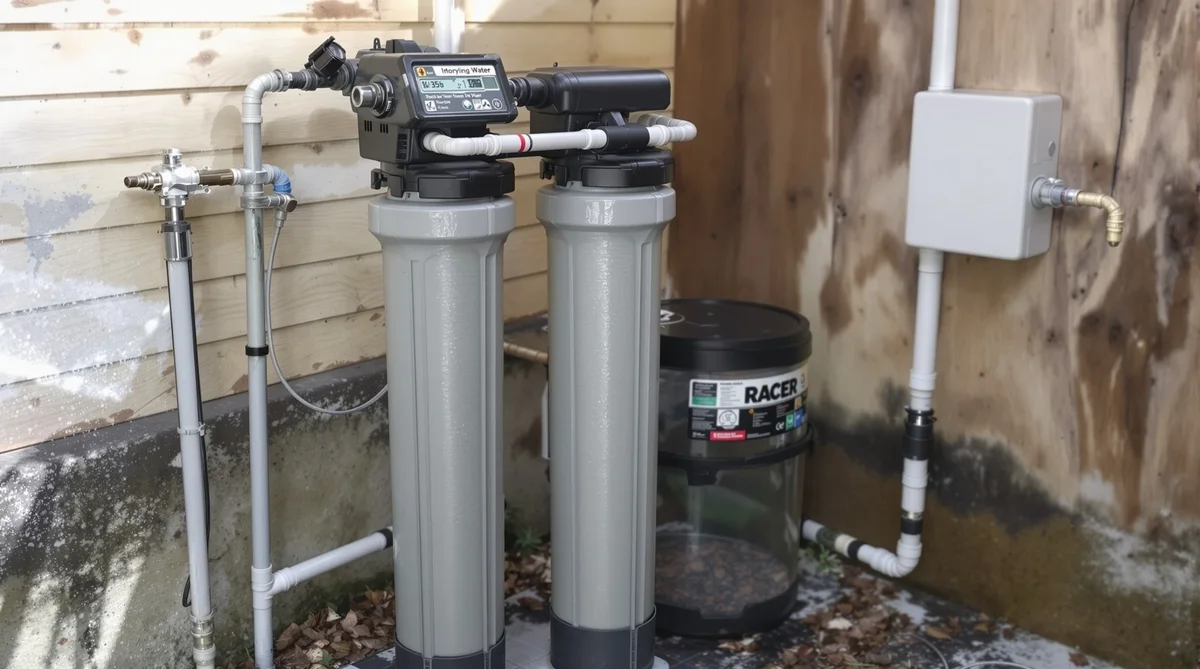
Tannins in well water create a tea-colored appearance and unpleasant taste in Holly Hill homes, but can be effectively removed through specialized filtration systems including tannin filters, activated carbon systems, and oxidizing filters. Dubya Water Treatment offers free water testing and proven solutions backed by a 10-year warranty to restore crystal-clear water to your Orangeburg County property.
What Are Tannins and Why Are They Common in Holly Hill Well Water?
Tannins are naturally occurring organic compounds that leach into groundwater from decaying vegetation, leaves, and plant material in the soil. In Holly Hill and throughout Orangeburg County, the abundance of pine forests, oak trees, and wetland areas creates ideal conditions for tannin contamination in private wells. These organic acids dissolve into the water supply as rainwater percolates through layers of decomposing plant matter before reaching the aquifer.
The Coastal Plain region where Holly Hill is located features sandy soils with high organic content, making tannin issues particularly prevalent. Well owners often first notice the problem when their water takes on a yellowish-brown tint similar to weak tea or when they detect an earthy, sometimes bitter taste. While tannins themselves aren't considered a health hazard by the EPA, they create numerous quality-of-life problems that make your water unpleasant and potentially damaging to your home.
How Do Tannins Affect Your Holly Hill Home?
Tannin contamination causes visible staining on plumbing fixtures, laundry, and anything that comes in contact with your water supply. Homeowners in Holly Hill frequently report yellowed sinks, toilets, and bathtubs that require constant scrubbing. Clothing washed in tannin-laden water can develop a dingy, yellowish discoloration that's nearly impossible to remove, effectively ruining whites and light-colored fabrics.
Beyond aesthetic concerns, tannins create several practical problems:
- Unpleasant taste and odor that makes drinking water unappealing
- Staining of dishware, glassware, and cookware
- Reduced effectiveness of water softeners and other treatment equipment
- Yellow or brown stains on concrete, driveways, and exterior surfaces
- Interference with water heater efficiency due to sediment buildup
- Difficulty achieving proper chlorine levels in pools and hot tubs
The good news is that with proper testing and treatment, these issues can be completely eliminated. Before investing in any solution, it's essential to get accurate water testing—which is why Dubya Water Treatment provides complimentary water analysis to every Holly Hill homeowner, with no obligation to purchase.
What Treatment Systems Remove Tannins from Well Water?
Specialized tannin filters using anion exchange resin are the most effective solution for removing tannins from Holly Hill well water. These systems work similarly to water softeners but use a different type of resin specifically designed to attract and trap tannin molecules. The resin has a positive charge that attracts the negatively charged tannin particles, removing them from your water supply before they reach your faucets.
Other proven treatment options include:
- Activated Carbon Filtration: High-quality carbon systems can absorb tannins along with other organic compounds, though they may require frequent replacement in areas with heavy tannin contamination
- Oxidizing Filters: These systems use potassium permanganate or other oxidizers to convert dissolved tannins into particles that can be filtered out
- Reverse Osmosis: While effective, RO systems are typically installed at point-of-use (under sink) rather than whole-house applications due to water waste concerns
- Combination Systems: Many Orangeburg County homes benefit from multi-stage treatment that addresses tannins alongside iron, sulfur, or hardness issues
The right solution depends on your specific water chemistry, which is why professional testing is crucial. Call Dubya Water Treatment at (803) 855-1055 to schedule your free water analysis and get expert recommendations tailored to your Holly Hill property.
How Does the Treatment Process Work for Holly Hill Residents?
The treatment process begins with comprehensive water testing to determine the exact concentration of tannins and identify any other contaminants present in your well water. Dubya Water Treatment's free testing service analyzes multiple parameters including pH, iron, manganese, hardness, and tannin levels to create a complete picture of your water quality. This thorough analysis ensures that the recommended treatment system addresses all issues, not just the visible tannin staining.
Once testing is complete, a customized treatment plan is designed for your specific needs. Installation typically takes just one day, with minimal disruption to your household routine. The system is installed on your main water line, treating all water entering your home. After installation, you'll notice immediate improvements—the tea-colored tint disappears, the unpleasant taste is eliminated, and your fixtures stay clean and stain-free.
Maintenance requirements vary by system type but generally involve periodic resin regeneration or filter replacement. Dubya Water Treatment provides clear maintenance schedules and ongoing support, backed by an industry-leading 10-year warranty that protects your investment and gives you peace of mind.
Why Choose Professional Treatment Over DIY Solutions?
Professional tannin removal systems deliver reliable, long-term results that DIY approaches simply cannot match. While some Holly Hill homeowners attempt to address tannins with store-bought filters or shock chlorination, these methods rarely provide complete removal and often waste money on ineffective solutions. Tannin molecules require specialized treatment technology that's properly sized and configured for your water flow rate and contamination levels.
Professional installation also ensures:
- Accurate diagnosis of your specific water quality issues
- Properly sized equipment that won't restrict water pressure
- Correct installation that prevents bypass or system failure
- Warranty protection and professional support
- Compliance with local plumbing codes in Orangeburg County
With Dubya Water Treatment's free testing and consultation, you'll know exactly what you're dealing with before making any financial commitment. This transparent approach, combined with the 10-year warranty on installed systems, eliminates the risk and uncertainty of DIY experimentation.
What Should Holly Hill Homeowners Know About Water Testing?
Accurate water testing is the foundation of effective tannin treatment because not all discolored water is caused by tannins alone. Holly Hill wells may contain iron, manganese, or other contaminants that create similar staining but require different treatment approaches. Iron bacteria, for example, can produce a rusty-brown color that resembles tannin staining but won't respond to tannin-specific filters.
Professional testing distinguishes between these various contaminants and measures their concentrations precisely. Tannin levels are typically measured in parts per million (ppm), with levels above 0.3 ppm generally requiring treatment. The testing also evaluates water pH, which affects treatment system performance, and total dissolved solids that impact equipment selection.
Dubya Water Treatment's complimentary testing service provides Holly Hill residents with laboratory-quality analysis without the typical $150-300 cost. This detailed information allows for targeted treatment recommendations rather than one-size-fits-all solutions, ensuring you invest in the right system for your specific situation. Regular testing every 2-3 years is also recommended to monitor well conditions and ensure your treatment system continues performing optimally as water chemistry naturally changes over time.
Frequently Asked Questions
Are tannins in well water harmful to drink?
Tannins are not considered a health hazard by the EPA and are generally safe to consume. However, they create unpleasant taste, odor, and staining problems that most homeowners find unacceptable, making treatment desirable for quality-of-life reasons rather than health concerns.
How much does tannin removal cost for a Holly Hill home?
Whole-house tannin removal systems typically range from $1,500 to $4,000 depending on your water flow requirements and contamination levels. Dubya Water Treatment provides free water testing and quotes so you'll know the exact cost before making any commitment, with 10-year warranty protection included.
Can a water softener remove tannins from well water?
Standard water softeners are not designed to remove tannins and will actually be damaged by high tannin levels. You need a specialized tannin filter using anion exchange resin, which is different from the cation resin used in softeners, though some systems can address both hardness and tannins.
How long does a tannin filter last before needing replacement?
The resin in quality tannin filters typically lasts 5-10 years with proper maintenance and regeneration. The resin bed regenerates periodically using salt brine, similar to a water softener, which restores its tannin-removal capacity without requiring complete replacement.
Why is tannin contamination so common in Orangeburg County wells?
Orangeburg County's Coastal Plain geography features sandy soils rich in organic material from abundant pine forests and wetlands. As rainwater percolates through decomposing vegetation before reaching the aquifer, it dissolves tannins and carries them into private wells, making this issue extremely prevalent throughout the Holly Hill area.
Published June 21, 2026 | Dubya Water Treatment serves Orangeburg, Sumter, Summerville, Bamberg, Holly Hill, and surrounding counties in the SC Midlands.