




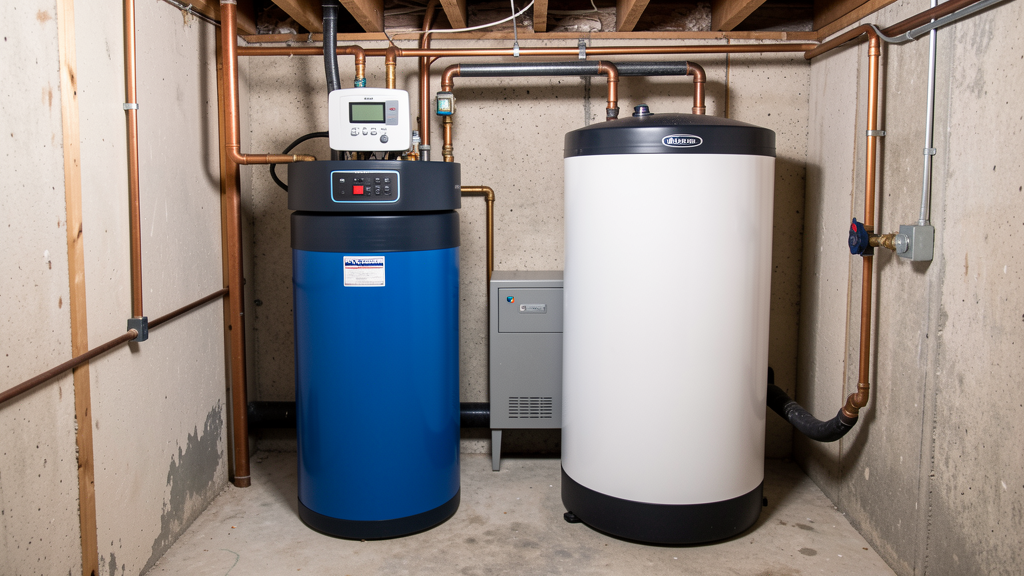
Signs You Need a Water Softener for Your Home
By Dubya Water | Updated June 2026 | 6 min read
Hard water affects the majority of homes in South Carolina, especially those on private wells. If you have noticed white buildup on your faucets, dry skin after showering, or spots on your dishes, your home likely has hard water. Learning how to know if you need a water softener starts with recognizing the telltale signs of mineral-laden water.
South Carolina's Midlands region — including Orangeburg, Columbia, and Santee — sits on limestone-rich aquifers that produce hardness levels of 7 to 15 grains per gallon (GPG), well above the 3.5 GPG threshold where problems begin. Understanding the water softener vs conditioner SC difference and weighing water softener cost SC against the damage hard water causes will help you make the right investment for your home.
1. White Scale Buildup on Faucets and Fixtures
The most visible sign of hard water is white, chalky mineral deposits on faucets, showerheads, and around drains. This scale is calcium and magnesium that precipitates out of the water as it evaporates. Over time, the buildup can restrict water flow and damage fixtures. If you are constantly scrubbing white deposits off your bathroom and kitchen fixtures, hard water is the cause.
In communities like Orangeburg and Santee, where water hardness regularly hits 10+ GPG, homeowners report needing to replace faucet aerators and showerheads every 12–18 months due to scale clogging. A water softener eliminates this buildup at the source.
2. Dry, Itchy Skin and Dull Hair
Hard water makes it difficult for soap and shampoo to lather and rinse properly. The mineral residue left on your skin and hair can cause dryness, itching, and irritation. Many people notice a significant improvement in skin and hair quality within the first week of having a water softener installed.
For a deeper look at how calcium and magnesium affect your body, read our complete guide on hard water effects on hair and skin. The science is clear: the minerals in hard water leave a film that clogs pores and strips natural oils.
3. Spots on Dishes and Glassware
If your dishes come out of the dishwasher with spots, film, or a cloudy appearance, hard water is almost certainly the culprit. The minerals in hard water leave residue on dishes that no amount of rinse aid can fully prevent. A water softener eliminates this problem completely. Columbia homeowners with municipal water often see the same spotting issues, as city treatment does not remove hardness minerals.
Is Your Water Hard?
Find out with a free water test. We test hardness, iron, pH, and more right at your home. Schedule your free test today.
4. Stiff, Scratchy Laundry
Hard water prevents detergent from dissolving properly, leaving mineral residue trapped in fabric fibers. This makes clothes, towels, and sheets feel stiff and scratchy, even with fabric softener. Colors fade faster, and whites turn gray or dingy over time. Soft water allows detergent to work as intended, keeping your laundry soft and bright. Many Orangeburg families report cutting detergent use by half after installing a softener.
5. Rising Energy Bills
Scale buildup inside your water heater acts as insulation, forcing the heating element to work harder. Studies show that just 1/4 inch of scale reduces water heater efficiency by up to 40 percent. A water softener prevents scale from forming, keeping your water heater running efficiently and extending its lifespan by years. In Santee, where many homes use electric water heaters, homeowners typically save $100–$200 annually on energy after softening.
6. Soap Scum That Won't Rinse Clean
Hard water minerals react with soap to form sticky soap scum that clings to shower walls, tubs, and glass doors. This residue requires harsh chemical cleaners to remove and leaves a film on your skin even after rinsing. If your shower glass doors are perpetually cloudy or you find yourself scrubbing soap scum weekly, your water is too hard.
Water Softener vs Conditioner SC: What's the Difference?
A common question we hear is about the water softener vs conditioner SC choice. Here is the breakdown:
- Water softener (ion exchange): Removes calcium and magnesium entirely. Produces true soft water. Ideal for Orangeburg, Columbia, and Santee where hardness runs 7–15 GPG. Requires salt refills ($5–$10/month).
- Water conditioner (salt-free/TAC): Does not remove minerals — only prevents them from forming scale. No salt, no wastewater. Less effective above 10 GPG. Does not produce the "slippery" soft water feel.
For most South Carolina homes, especially those on well water in the Midlands, a salt-based water softener delivers dramatically better results. Salt-free conditioners are best for homes with borderline hardness (3–7 GPG) where mineral removal is not critical.
Water Softener Cost SC: What to Expect
Understanding water softener cost SC helps you budget for this essential home improvement. Prices vary by system size, water chemistry, and installation complexity:
| System Type | Installed Cost | Best For |
|---|---|---|
| Basic single-tank softener | $1,200 – $2,000 | 1–2 person homes, city water |
| Standard dual-tank softener | $2,000 – $3,500 | 3–4 person families, moderate hardness |
| Softener + iron/sulfur filter combo | $3,000 – $5,000 | Well water with iron, sulfur, or sediment |
| Whole-house treatment system | $4,500 – $7,000+ | Large homes, severe water issues |
For a detailed breakdown with Orangeburg-specific pricing, see our guide: Water Softener Cost in Orangeburg, SC.
All Dubya Water installations include equipment, labor, plumbing connections, system programming, and a post-installation water retest — plus a 10-year parts and labor warranty.
The Cost of NOT Having a Water Softener
Many homeowners hesitate on the upfront water softener cost SC, but the cost of doing nothing is far higher. Here is what hard water costs you every year:
Appliance Savings
Scale buildup destroys water heaters, dishwashers, and washing machines prematurely. Water heaters with hard water fail 3–5 years sooner than those with soft water. A water heater replacement runs $1,200–$2,500. Dishwashers and washing machines see 30–50% shorter lifespans on hard water. A softener protects every appliance in your home.
Soap and Detergent Savings
Hard water requires 50–75% more soap, detergent, shampoo, and cleaning products to achieve the same results. Soft water means your detergent actually dissolves and works. Typical families save $100–$200 per year on cleaning products alone.
Energy Savings
As noted above, 1/4 inch of scale cuts water heater efficiency by 40%. Removing that scale with softened water saves $100–$200 annually on energy bills. Over 10 years, that is $1,000–$2,000 in your pocket.
Total estimated annual savings: $300–$500. A $2,500 water softener pays for itself in 5–8 years and continues saving for 10+ years.
City-Specific Context: Orangeburg, Columbia & Santee
Orangeburg
Orangeburg County wells typically test between 7 and 15 GPG for hardness, with iron levels adding another complication. Many homes need a combined softener + iron filter. Learn about local installation options in our Rowesville water softener installation guide.
Columbia
Columbia's municipal water is treated but not softened, leaving homes with 5–10 GPG hardness. City water customers still see scale buildup, dry skin, and spotty dishes. Homes on wells in the Lexington and Richland County areas often see 10–15 GPG.
Santee
Santee sits near Lake Marion, but well water in the area pulls from the same Floridan aquifer that produces high hardness and iron levels across the region. Many Santee homes deal with both hard water and iron staining.
See our South Carolina water hardness guide for complete regional data.
Water Softener Sizing Guide
Choosing the right-size softener is critical. An undersized system regenerates too often, wasting water and salt. An oversized system costs more upfront without benefit. Here is how to calculate your needs:
Step 1: Get Your Hardness in GPG
Test your water to get the exact grains per gallon. For Orangeburg County, typical range is 7–15 GPG. Dubya Water offers free in-home water testing.
Step 2: Determine Daily Water Use
| Household Size | Daily Water Use |
|---|---|
| 1–2 people | 150–200 gallons |
| 3–4 people | 300–400 gallons |
| 5–6 people | 500–600 gallons |
| 7+ people | 700+ gallons |
Step 3: Calculate Grains Needed Daily
Daily Grains = Daily Water Use × Hardness (GPG)
Example: A family of 4 in Orangeburg using 350 gallons per day with 12 GPG water needs 4,200 grains per day.
Step 4: Choose Capacity for Regeneration Every 7 Days
Multiply daily grains by 7, then add 20% safety margin.
4,200 grains/day × 7 days × 1.2 = 35,280 grains capacity needed
For this household, a 40,000–48,000 grain softener would be ideal — regenerating every 6–8 days, which is the efficiency sweet spot.
| Household Size | At 10 GPG | At 15 GPG |
|---|---|---|
| 1–2 people | 24,000–32,000 grains | 32,000–40,000 grains |
| 3–4 people | 32,000–40,000 grains | 40,000–48,000 grains |
| 5–6 people | 48,000–56,000 grains | 56,000–64,000 grains |
| 7+ people | 64,000–80,000 grains | 80,000+ grains |
If your water also contains iron (common in Orangeburg County wells), add 5 GPG to your hardness number for every 1 ppm of iron to ensure the softener can handle both.
What To Do About Hard Water
If you recognize any of these signs your water is too hard, the first step is a professional water test to measure your exact hardness level. Dubya Water offers free on-site water testing for homeowners across 27 South Carolina communities. We test your water, explain the results, and recommend the right solution with upfront pricing and no pressure.
Whether you are in Orangeburg dealing with well water at 15 GPG, in Columbia frustrated with spotty dishes, or in Santee battling scale on everything — the fix starts with knowing your numbers.
Ready for Soft Water? Schedule Your Free Test Today
Call us at (803) 855-1055 or schedule your free water test online.
Visit our water softening service page to learn more about our systems, warranties, and financing options.
Frequently Asked Questions
What are the most common signs your water is too hard?
The most common signs include white scale buildup on faucets and fixtures, dry itchy skin and dull hair after showering, spots on dishes and glassware, stiff scratchy laundry, rising energy bills, and soap scum that won't rinse clean. If you notice two or more of these, your water is likely hard.
What is the difference between a water softener vs conditioner in SC?
A water softener (ion exchange) removes calcium and magnesium minerals, producing true soft water — recommended for homes with hardness above 7 GPG, which is most of the SC Midlands. A water conditioner (TAC/salt-free) only prevents scale but does not remove minerals, and is less effective above 10 GPG. For Orangeburg, Columbia, and Santee, a salt-based softener delivers significantly better results.
How much does a water softener cost in South Carolina?
Water softener cost SC ranges from $1,200 to $5,000+ installed depending on system size, household water usage, and whether iron or sulfur filtration is needed. A standard dual-tank system for a family of 4 typically runs $2,000–$3,500 installed, including the 10-year warranty. See our Orangeburg cost guide for detailed pricing.
How do I know if I need a water softener?
How to know if you need a water softener comes down to three factors: (1) visual signs like white scale and spots on dishes, (2) physical effects like dry skin and stiff laundry, and (3) your water test results. If your water tests above 3.5 GPG (moderately hard) and you see any of the above signs, a softener will improve your home's water quality and save you money. Dubya Water offers free in-home water testing to take the guesswork out.
Can a water softener remove iron from well water?
Water softeners can handle up to 2–3 ppm of dissolved (ferrous) iron. For higher iron levels — common in Orangeburg County wells that test 1–10 ppm — you need a dedicated iron filter before the softener. Many Dubya Water installations combine iron filtration and water softening in a single integrated system.
Does a water softener save money on energy bills?
Yes. Scale buildup inside water heaters reduces efficiency by up to 40% with just 1/4 inch of scale. By preventing this buildup, a water softener saves $100–$200 per year on energy costs and extends water heater life by 3–5 years. Combined with soap savings of $100–$200 per year, the average household saves $300–$500 annually.
How long does a water softener last?
With proper maintenance, a water softener lasts 10–20 years. Dubya Water offers a 10-year parts and labor warranty on all major components. The resin bed should be replaced every 8–12 years depending on water quality and usage. Ongoing costs are limited to salt refills ($5–$10 per month) and minimal electricity for regeneration cycles.