




Well Water Treatment in Orangeburg County: What Every Homeowner Needs to Know
Published March 19, 2026 • By Dubya Water
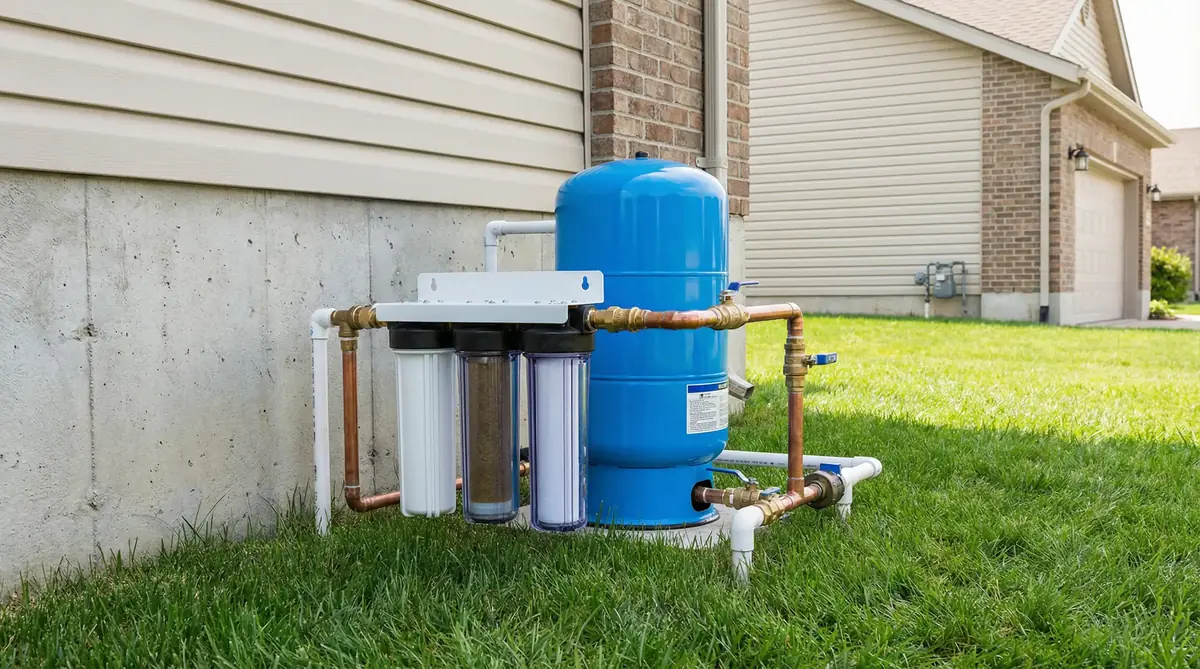
Thousands of homes in Orangeburg County and the SC Midlands rely on private wells for their water supply. Unlike city water, well water is not regulated or treated by a municipal system. That means the quality of your water is your responsibility. Here is what you need to know about treating well water in our area.
Common Well Water Problems in Orangeburg County
The geology of Orangeburg County and the surrounding SC Midlands creates specific water quality challenges. The most common issues we see when testing local wells include:
- Iron (ferrous and ferric): Iron is the number one complaint we hear from well owners in this area. It causes orange-brown stains in sinks, toilets, and laundry, and gives water a metallic taste. Levels above 0.3 parts per million (ppm) are enough to cause staining.
- Hardness (calcium and magnesium): Most wells in Orangeburg County produce hard to very hard water, which causes scale buildup on fixtures and inside pipes and appliances.
- Hydrogen sulfide (rotten egg smell): That sulfur smell comes from naturally occurring bacteria in the aquifer. It is unpleasant but usually not harmful. It can be treated effectively with the right system.
- Low pH (acidic water): Acidic water with pH below 7.0 can corrode copper pipes and plumbing fixtures, causing blue-green stains and eventually pinhole leaks. We see this frequently in wells across the Midlands.
- Bacteria (coliform and E. coli): Bacteria can enter wells through surface water contamination, especially after heavy rains or flooding. Annual testing is recommended.
- Tannins: Organic matter from decaying vegetation can give well water a yellow or tea-colored tint. This is more common in shallow wells near wooded areas.
Well Water Treatment Options
Iron Filters
For iron removal, we typically install oxidizing iron filters that convert dissolved iron to a solid form and then filter it out. The right system depends on the type and level of iron in your water, which is why testing comes first.
Water Softeners
For hardness, a water softener uses ion exchange to remove calcium and magnesium. Many of our Orangeburg County installations combine iron removal and softening into one system for efficiency.
pH Neutralizers
An acid neutralizer raises the pH of acidic water by passing it through a tank of calcite or similar media. This protects your pipes and fixtures from corrosion.
UV Disinfection
Ultraviolet light systems kill bacteria and viruses without adding chemicals to your water. We recommend UV disinfection for any well that has tested positive for coliform bacteria.
Reverse Osmosis (Drinking Water)
For the highest quality drinking water, a point-of-use reverse osmosis system installed under the kitchen sink removes virtually all contaminants. It is often the final stage in a complete well water treatment setup.
How Often Should You Test Your Well Water?
DHEC recommends testing your well at least once per year for bacteria and nitrates. We recommend also testing for iron, hardness, pH, and sulfur every 1-2 years, or anytime you notice a change in taste, smell, or appearance. Testing is also important after any flooding, nearby construction, or if the well has been unused for an extended period.
Free Well Water Testing
Dubya Water provides free comprehensive water testing for homeowners across Orangeburg County and the SC Midlands. Call (803) 855-1055 or schedule your test online.
Frequently Asked Questions
How much does a well water treatment system cost?
A basic iron filter or water softener starts around $1,500 installed. A complete multi-stage system addressing iron, hardness, pH, and bacteria typically runs $3,000 to $6,000. The right setup depends entirely on what your water test shows.
Is well water safe to drink without treatment?
It depends on what is in it. Some wells produce clean water that only needs softening. Others have bacteria, heavy metals, or other contaminants that should be treated before drinking. The only way to know is to test it.
How long do well water treatment systems last?
Most well water treatment systems last 10 to 20 years with proper maintenance. Softener resin may need replacing every 10-15 years, and filter media typically lasts 5-10 years depending on water usage and contamination levels.