




Well Water Filter System Comparison: Which Type Is Right for Your South Carolina Home?
Published August 17, 2026 • By Dubya Water
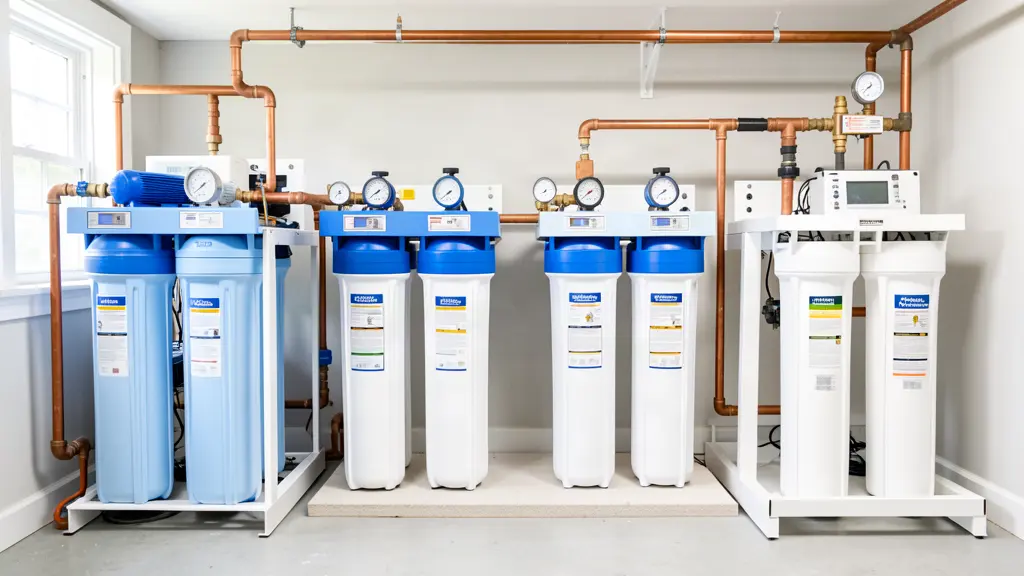
If you are searching for a well water filter system comparison, you probably know your well water has issues but are not sure which system actually fixes them. The short answer: there is no single "best" well water filter system — the right system depends entirely on what your well water contains. A water softener handles hard water but does nothing for bacteria. A UV system kills bacteria but does not remove iron. This guide compares every major type of well water filter system so you can match the right solution to your water.
For homeowners across the SC Midlands, including Orangeburg, Bamberg, Cordova, and Rowesville, well water quality varies significantly from one property to the next. That is why Dubya Water always starts with a free on-site water test before recommending any equipment. Testing before purchasing is the single most important step in choosing the right well water filter system.
Not Sure Which System You Need? Start Here
Schedule a free on-site water test and we will tell you exactly what your well water contains — no obligation, same-day results.
Schedule Free Water TestWhat Are the Main Types of Well Water Filter Systems?
Every well water filter system comparison starts with understanding the six major categories of filtration. Each targets specific contaminants and works best in combination with others for complete water treatment.
| Filter Type | Best For | How It Works | Cost Range |
|---|---|---|---|
| Sediment Filter | Sand, silt, rust, dirt | Physical barrier traps particles | $400 - $800 |
| Water Softener | Hard water (calcium, magnesium) | Ion exchange replaces minerals with sodium | $1,500 - $3,500 |
| Iron Filter | Iron, manganese, sulfur | Oxidation and filtration | $2,000 - $4,000 |
| Carbon Filter | Chlorine, VOCs, taste, odor | Adsorption bonds contaminants | $500 - $2,000 |
| Reverse Osmosis | TDS, heavy metals, nitrates | Membrane filtration at molecular level | $3,000 - $6,000 |
| UV Disinfection | Bacteria, viruses, pathogens | UV light destroys microorganism DNA | $800 - $2,000 |
Most South Carolina homes with well water need a combination of systems. For example, a typical setup for an Orangeburg home with hard water and iron might include a sediment pre-filter, an iron filter or water softener, and a UV disinfection system. A Bowman home with sandy soil and bacteria concerns might need sediment filtration plus UV plus reverse osmosis for drinking water.
Water Softener vs. Iron Filter: Which Does Your Well Water Need?
This is the most common question in any well water filter system comparison, because hard water and iron often appear together in South Carolina well water. The short answer: if you have hard water (white scale on fixtures, soap scum, dry skin), you need a water softener. If you have red or brown stains on sinks, toilets, and laundry, you need an iron filter. Many homes need both.
Here is how to tell the difference:
- White, chalky buildup on faucets and showerheads = hard water (calcium carbonate). A water softener removes this.
- Reddish-brown or orange stains in toilets, sinks, and laundry = iron. An iron filter removes this.
- Black or dark brown staining = manganese. An iron filter with manganese media removes this.
- Rotten egg smell in hot water = sulfur bacteria. An iron filter or dedicated sulfur removal system fixes this.
For homeowners in Branchville and Elloree, where iron and hard water are both common, Dubya Water often recommends a dual-tank system that combines water softening and iron filtration in one unit. This saves space and reduces overall cost compared to two separate systems.
Sediment Filters: The First Line of Defense for Well Water
A sediment filter is the most basic and essential component of any well water filter system. It captures visible particles like sand, silt, rust flakes, and dirt before they reach your home's plumbing. Without a sediment pre-filter, these particles can clog your water softener, damage your fixtures, and shorten the life of every other filtration system downstream.
Sediment filters come in two main types: spin-down filters (which use centrifugal force to separate particles and are self-cleaning) and cartridge filters (which use replaceable filter media with micron ratings from 1 to 100). For most South Carolina wells, a 20-micron or 50-micron sediment filter is the right starting point.
Homes in Cope and Norway, where sandy soils are common, benefit significantly from a high-capacity spin-down sediment filter followed by a 5-micron cartridge filter for fine particles.
Reverse Osmosis vs. Whole House Filtration: Do You Need Both?
Another common question in any well water filter system comparison is whether to install a whole house system, a reverse osmosis system, or both. The answer: most well water homes need both, because they solve different problems.
Whole house filtration treats every drop of water entering your home. It protects your plumbing, water heater, fixtures, and appliances from hard water scale, iron staining, and sediment. Every shower, every load of laundry, every toilet flush uses treated water.
Reverse osmosis is a point-of-use system installed at the kitchen sink (or as a whole house system). It produces bottled-water-quality drinking water by forcing water through a semi-permeable membrane that removes up to 99% of dissolved solids, heavy metals, nitrates, and contaminants. RO systems are essential if you want truly pure drinking water.
For homeowners in Denmark, where agricultural runoff can introduce nitrates into the groundwater, a reverse osmosis system for drinking water is strongly recommended even if the whole house system handles hardness and iron.
UV Disinfection: Do You Need It for Your Well Water?
UV disinfection uses ultraviolet light to kill bacteria, viruses, and other microorganisms in well water. It does not remove chemicals, minerals, or particles — it only addresses biological contaminants. However, for private well owners, UV disinfection is one of the most important components of a well water filter system comparison because bacteria can enter any well through surface runoff, flooding, or well casing cracks.
UV systems are installed at the point of entry and treat all water flowing to your home. They require electricity and the UV lamp must be replaced annually, but they use minimal energy and add no chemicals to your water.
In the SC Midlands, UV disinfection is particularly important after heavy rain events that can flush surface contaminants into shallow wells. Homes near creeks, ponds, and low-lying areas in Bamberg and Branchville benefit most from UV systems.
Quick Comparison: Which System Fixes Which Problem?
| Water Problem | Best System |
|---|---|
| Hard water (scale, soap scum) | Water Softener |
| Red/rust stains | Iron Filter |
| Rotten egg smell | Sulfur Removal / Iron Filter |
| Cloudy water / particles | Sediment Filter |
| Bad taste or odor | Carbon Filter |
| Bacteria concerns | UV Disinfection |
| Everything purified | Reverse Osmosis (drinking) |
How to Choose the Right Well Water Filter System: A Step-by-Step Guide
Choosing the right well water filter system does not have to be complicated. Follow these steps to make the right decision for your South Carolina home:
Step 1: Test Your Water First
Never buy a water filter system without knowing what is in your water. Dubya Water offers a free on-site water test for Orangeburg County homeowners that covers hardness, iron, pH, sulfur, and TDS. The test takes 30 minutes and gives you immediate results.
Step 2: Identify Your Priority Contaminant
What bothers you most? Scale on fixtures? Stained laundry? Rotten egg smell in the shower? Cloudy drinking water? Your most noticeable problem is usually your highest priority to fix, and it tells you which system to buy first.
Step 3: Match the System to the Problem
Use the table above to match your priority contaminant with the right system. Remember that most homes need 2-3 systems working together for complete treatment.
Step 4: Plan for Future Expansion
Choose a system that allows you to add stages later. For example, install a sediment pre-filter and water softener now, then add UV disinfection or reverse osmosis when your budget allows.
Step 5: Get Professional Installation
Proper installation ensures your system performs as designed and lasts for years. Dubya Water provides professional installation, startup, and ongoing maintenance for all well water filter systems across the SC Midlands.
Well Water Filter System Cost Comparison: What to Expect in South Carolina
Cost is a major factor in any well water filter system comparison. Here is what South Carolina homeowners typically pay for professionally installed systems:
| System Type | Equipment Cost | Installed Cost | Annual Maintenance |
|---|---|---|---|
| Sediment Filter (basic) | $200 - $400 | $400 - $800 | $50 - $100 (filter changes) |
| Water Softener | $800 - $2,000 | $1,500 - $3,500 | $150 - $300 (salt + resin care) |
| Iron Filter | $1,200 - $2,800 | $2,000 - $4,000 | $100 - $200 (media check) |
| UV Disinfection | $400 - $1,000 | $800 - $2,000 | $80 - $150 (lamp replacement) |
| Whole House RO | $1,800 - $3,500 | $3,000 - $6,000 | $200 - $400 (membrane + filters) |
| Complete System (2-3 stages) | $2,000 - $4,000 | $3,500 - $6,500 | $300 - $600 (all consumables) |
For homeowners near Rowesville, Cordova, and Cope, a typical complete well water treatment system (sediment pre-filter + water softener + UV disinfection) costs between $3,500 and $5,500 installed. Dubya Water offers financing options to make the investment manageable.
Get Your Free Water Test & System Recommendation
Stop guessing which well water filter system you need. Our free on-site test tells you exactly what is in your water, and we recommend the right system — no pressure, no obligation.
Schedule Free Testor call (803) -85-5-1055
Serving Orangeburg, Bamberg, Branchville, Cordova, Bowman, Elloree, Denmark, Cope, Norway, Rowesville, and all of the SC Midlands.
Frequently Asked Questions About Well Water Filter Systems
What is the best well water filter system for a South Carolina home?
The best well water filter system for a South Carolina home depends on your specific water quality issues. For homes with hard water and iron, a water softener combined with an iron filter is the most effective solution. For homes with bacteria concerns, UV disinfection is essential. Dubya Water offers free on-site testing to determine exactly which system your home needs, serving Orangeburg, Bamberg, Cordova, and all of the SC Midlands.
What are the main types of well water filter systems?
The main types of well water filter systems are sediment filters (remove sand, silt, rust), water softeners (remove calcium and magnesium causing hard water), iron filters (remove iron and manganese), carbon filters (remove chlorine, odors, and VOCs), reverse osmosis systems (remove dissolved solids, heavy metals, and contaminants), and UV disinfection systems (kill bacteria and viruses). Each targets different contaminants and most homes need a combination of two or more systems.
Do I need a water softener or a whole house filter for well water?
It depends on what your well water contains. A water softener only addresses hard water (calcium and magnesium). A whole house filter system can address sediment, iron, sulfur, taste, and odors. For most South Carolina well water, a combination system works best: a water softener for hard water plus an iron or carbon filter for other contaminants. Dubya Water provides free testing to determine the right combination for your home.
How much does a well water filter system cost in South Carolina?
Well water filter system costs in South Carolina vary by type. A basic sediment filter system costs $400-$800. A water softener ranges from $1,500-$3,500 installed. An iron filter adds $2,000-$4,000. A whole house reverse osmosis system costs $3,000-$6,000. UV disinfection systems run $800-$2,000. Most homeowners in Orangeburg County spend $2,500-$5,000 for a complete well water treatment system. Dubya Water offers free estimates and financing options.
Can I install a well water filter system myself?
While some basic sediment filters can be DIY-installed, most well water filter systems require professional installation. Water softeners and iron filters need proper sizing, bypass plumbing, and drain connections. UV systems need electrical work. Reverse osmosis systems need proper pressure and drainage. Professional installation ensures your system works correctly and meets local plumbing codes. Call Dubya Water at (803) 855-1055 for a free installation quote.
How often do I need to maintain my well water filter system?
Maintenance frequency varies by system type. Sediment filter cartridges need replacement every 3-6 months. Water softeners need salt refills every 1-2 months and resin bed cleaning annually. Iron filters need backwashing media replacement every 5-7 years. UV lamps need annual replacement. Reverse osmosis membranes last 2-3 years. Dubya Water offers maintenance plans to keep your system running at peak performance.