




UV vs Chlorination vs Ozone for Well Water Bacteria: Best for SC Homes?
Published July 27, 2026 • By Dubya Water
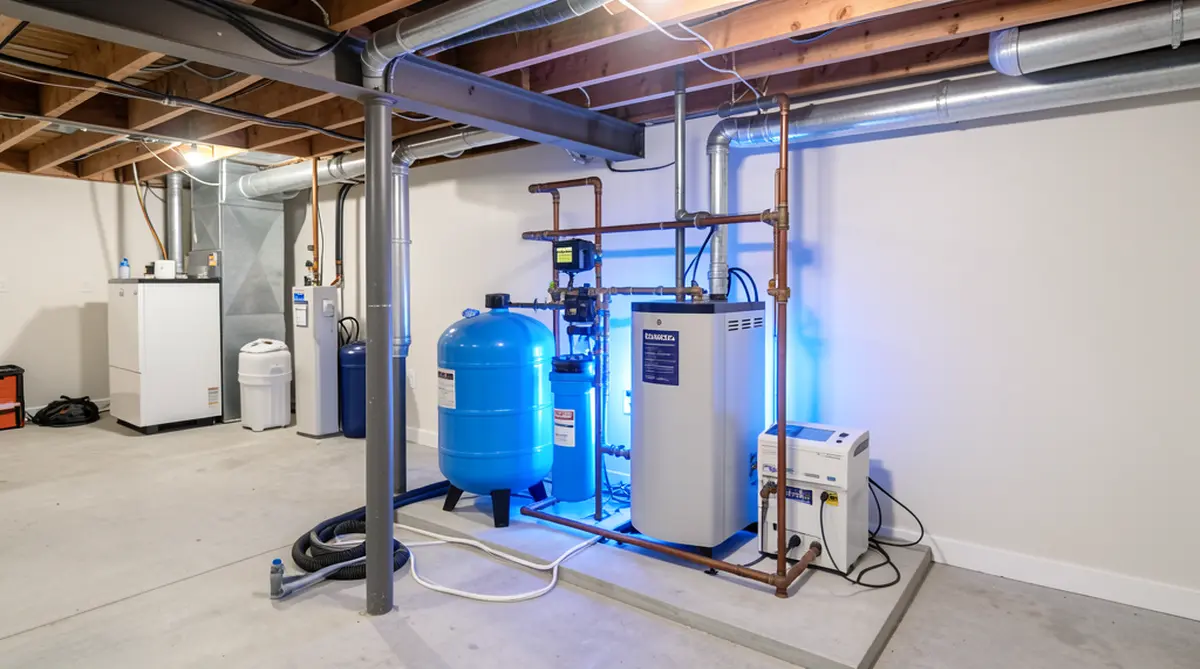
If your well water tests positive for coliform bacteria or E. coli, you need a treatment system — but which one? UV disinfection, chlorination, and ozone treatment each have distinct advantages for South Carolina well owners. This guide compares all three methods side by side, with cost ranges, maintenance requirements, and specific recommendations for homeowners in Orangeburg County.
If you rely on a private well for your home's water in Orangeburg, Rowesville, or anywhere in the South Carolina Midlands, bacteria contamination is not something to ignore. According to the CDC, approximately 23 million U.S. households use private wells, and nearly 1 in 5 tested positive for total coliform bacteria in EPA studies. In Orangeburg County — where sandy soils and a high water table create conditions for surface water to reach shallow wells — the risk is elevated after heavy spring rains and hurricane season.
Private well water in South Carolina's Orangeburg County and surrounding areas is susceptible to bacterial contamination — especially after heavy rains, floods, or well maintenance. The CDC estimates that 23 million U.S. households rely on private wells, and coliform bacteria is detected in approximately 15% of tested wells in the Southeast. The question is not if you need treatment, but which treatment system is right for your home.
This comparison guide covers the three most effective well water bacteria treatment methods available for South Carolina homeowners: UV disinfection, continuous chlorination, and ozone treatment. We will cover how each works, what it costs, maintenance requirements, and which situations each method is best suited for. If you are searching for "well water bacteria treatment near me" in Orangeburg, Rowesville, or any of the surrounding communities, this guide will help you make an informed decision.
Not Sure Which Treatment You Need? Start With a Free Water Test.
Our technicians test for coliform bacteria, E. coli, pH, iron, hardness, sulfur, and TDS — same-week appointments across Orangeburg County.
Schedule Free TestUV Disinfection for Well Water Bacteria: The Gold Standard
UV disinfection is the most popular and widely recommended treatment for well water bacteria in South Carolina. It uses ultraviolet-C light at 254 nanometers to destroy the DNA of bacteria, viruses, and cysts — making them unable to reproduce. UV treatment is chemical-free, instantaneous, and treats every drop of water that enters your home.
How it works: Water flows past a UV lamp enclosed in a quartz sleeve. The UV-C light penetrates the cell walls of microorganisms and disrupts their genetic material. The process takes less than a second and requires no holding tank or contact time. The water chemistry remains completely unchanged — no taste, no odor, no byproducts.
Best for: Homes with coliform bacteria as the primary concern, clear water (low sediment/turbidity), and homeowners who want minimal maintenance. UV is ideal for properties in Rowesville and Cordova where the well water is generally clear but shows seasonal coliform spikes after heavy rain.
Cost: $800–$2,500 installed, including sediment pre-filter. Annual maintenance: $50–$100 for a replacement UV lamp (required every 12 months).
Limitations: UV does not provide residual protection — if bacteria enter the water after the UV system, they will not be killed. Sediment or turbidity can shield bacteria from UV light, so a pre-filter is essential. UV does not remove iron, sulfur, or hardness.
Chlorine Injection for Well Water Bacteria: Residual Protection
Continuous chlorination injects a precise dose of chlorine into the water before it enters a retention tank, where the chlorine has contact time to kill bacteria. A carbon filter then removes the chlorine before the water reaches your taps. Unlike UV, chlorination provides residual disinfectant that continues protecting water as it travels through your plumbing.
How it works: A metering pump injects chlorine solution into the water line. The water then flows into a retention tank for 20–30 minutes of contact time, during which the chlorine kills bacteria, oxidizes iron and manganese, and controls biofilm. A catalytic carbon filter removes excess chlorine before the water reaches your home. The result: bacteria-free water with no chlorine taste.
Best for: Homes with heavy or recurring bacterial contamination, wells with high iron or manganese (which can foul UV sleeves), and properties where the water travels long distances through pipes. Homeowners in Elloree and Branchville — where flood-prone bottomlands cause recurring contamination — often benefit from the residual protection of chlorination.
Cost: $1,200–$3,500 installed, including retention tank and carbon filter. Ongoing cost: $15–$30/month for chlorine solution. Annual maintenance: $100–$200 for pump servicing and filter replacement.
Limitations: Requires ongoing chemical purchases and monitoring. Chlorine levels must be checked regularly. The system has more components (pump, tank, filter) that can fail. Some homeowners prefer to avoid handling chlorine.
Ozone Treatment for Well Water Bacteria: The Most Powerful Option
Ozone treatment uses ozone gas (O₃) — a powerful oxidizer — to destroy bacteria, viruses, and organic contaminants. Ozone is the strongest disinfectant available for residential water treatment, oxidizing microorganisms on contact. It breaks down into oxygen after use, leaving no chemical residue or taste.
How it works: An ozone generator creates ozone gas from oxygen in the air. The ozone is injected into the water through a venturi injector or mixing chamber, where it immediately oxidizes bacteria and organic matter. Excess ozone is converted back to oxygen in the off-gas chamber. The entire process is chemical-free and produces no byproducts.
Best for: Homes with complex water quality issues — bacteria plus iron, sulfur, tannins, or organic matter — where a single system can address multiple problems. Ozone is also excellent for homeowners who want the strongest possible disinfection without chemicals. Properties in Bamberg and Denmark with challenging well water chemistry often benefit from ozone's multi-contaminant oxidation capability.
Cost: $2,000–$5,000 installed, including generator, injector, and off-gas system. Annual maintenance: $150–$300 for generator servicing and ozone plate replacement.
Limitations: Highest upfront cost of the three methods. More complex system with more components that can require professional service. Not suitable for all well configurations. Ventilation requirements for the off-gas system.
Treatment Comparison: UV vs Chlorination vs Ozone
| Feature | UV Disinfection | Chlorine Injection | Ozone Treatment |
|---|---|---|---|
| Kill Rate | 99.99% | 99.99% | 99.99%+ |
| Residual Protection | No | Yes | No |
| Chemicals Needed | None | Chlorine solution | None |
| Installed Cost | $800–$2,500 | $1,200–$3,500 | $2,000–$5,000 |
| Annual Maintenance | $50–$100 | $200–$400 | $150–$300 |
| Best For | Clear water, seasonal coliform | Heavy/ongoing contamination | Multiple contaminants |
| Maintenance Level | Low | Medium | Medium-High |
Which Treatment Is Right for Your Orangeburg County Home?
The right choice depends on your specific water quality. Here is a quick decision guide:
Choose UV disinfection if: Your water test shows coliform bacteria but your water is relatively clear, low in iron, and you want a set-it-and-forget-it solution. UV is the most popular choice for homes in Orangeburg and Bowman where seasonal storm events cause occasional coliform spikes.
Choose chlorination if: You have recurring bacterial contamination, high iron or manganese, or you want residual protection throughout your plumbing. Chlorination is often recommended for homes in Cope and Norway where agricultural runoff can introduce bacteria multiple times per year.
Choose ozone if: You have multiple water quality issues — bacteria plus iron, sulfur, and tannins — and want a single system to handle everything. Ozone is the premium choice for homeowners who want the strongest disinfection available without chemicals.
No matter which method you choose, start with a free water test. Dubya Water offers free on-site well water testing near me for homeowners throughout Orangeburg County. We test for coliform bacteria, E. coli, pH, iron, hardness, sulfur, TDS, and turbidity — and we recommend the exact treatment system your water needs, with no upselling.
Bacteria in Your Well Water? Let's Find the Right Treatment.
Free water testing, expert recommendations, and professional installation with a 10-year warranty. Serving Orangeburg, Rowesville, Cordova, Bowman, Elloree, Branchville, Denmark, Bamberg, Cope, Norway, and all of Orangeburg County.
Get Your Free Water TestFrequently Asked Questions About Well Water Bacteria Treatment Systems
How long does a UV lamp last in a well water system?
UV lamps are rated for 9,000 hours of continuous use — approximately 12 months. After that, the UV output drops below the effective disinfection level, even if the lamp still appears to be glowing. Annual lamp replacement is essential for maintaining 99.99% kill rate. Dubya Water offers annual maintenance plans for homeowners in Orangeburg, Rowesville, and Cordova.
Do I need a sediment filter before a UV disinfection system?
Yes — a sediment pre-filter is essential for UV disinfection. Sediment particles can shield bacteria from UV light, reducing the kill rate. The recommended setup is a 5-micron sediment filter followed by the UV chamber. For homes in Elloree and Branchville with higher sediment loads during storm season, a 20-micron pre-filter followed by a 5-micron filter provides extra protection.
Can I use UV and a water softener together for well water treatment?
Absolutely. In fact, this is the most common treatment combination for Orangeburg County well owners. The water softener is installed before the UV system to prevent scale buildup on the UV quartz sleeve. The softener removes hardness minerals, and the UV kills bacteria — providing complete water treatment. If your water also has iron, an iron removal system can be added before the softener.
Will chlorine injection affect the taste of my drinking water?
A properly designed chlorination system includes a catalytic carbon filter that removes excess chlorine before water reaches your taps. The result is bacteria-free water with no chlorine taste or odor. The carbon filter needs replacement every 6–12 months depending on water usage. Dubya Water installs and maintains chlorination systems for homeowners in Bamberg, Denmark, and all surrounding areas.
How do I know if my well water bacteria treatment is working?
Annual water testing is the only way to confirm your treatment system is working. Dubya Water recommends testing for total coliform and E. coli every 12 months, plus after any significant well work or flooding event. Most UV systems also have a status indicator light that shows when the lamp is operating correctly. If the indicator shows a fault, the system needs immediate attention.