




Hard Water Effects on Hair and Skin — What Orangeburg & Columbia SC Homeowners Need to Know
By Dubya Water | Updated June 26, 2026 | Originally published January 8, 2026 | 7 min read
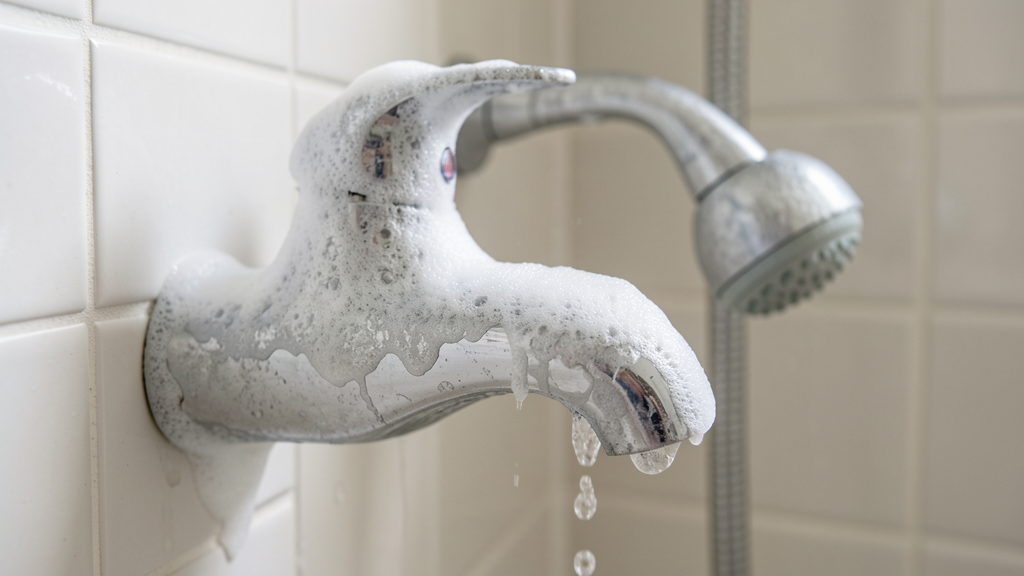
Hard water is more than an inconvenience for your plumbing. It directly affects your hair and skin every time you shower or wash your hands. The excess calcium and magnesium minerals in hard water create a residue that clogs pores, strips natural oils, and leaves hair looking dull and feeling brittle. For many South Carolina homeowners, a water softener is the key to healthier hair and skin.
If you live in Orangeburg, Columbia, or anywhere in the SC Midlands, your water likely tests between 7 and 15 grains per gallon (GPG) of hardness. That is well into the "hard" to "very hard" range according to the US Geological Survey. Understanding how this affects your body — and what to do about it — is essential for anyone struggling with dry skin, brittle hair, or unexplained breakouts.
How Hard Water Affects Your Skin
Hard water minerals react with soap to form a sticky residue called soap scum. This residue does not rinse away cleanly, instead forming an invisible film on your skin. This film clogs pores, traps bacteria, and strips away natural moisture.
Common symptoms include:
- Dry and itchy skin, especially after showering
- Eczema flare-ups and dermatitis
- Acne breakouts along the jawline and forehead
- Rough or flaky patches on arms and legs
- A tight, uncomfortable feeling after bathing
Many people searching for hard water skin rash treatment do not realize the root cause is the mineral content of their water. Switching to soft water often clears up chronic skin irritation within 1 to 2 weeks.
"I had dry, itchy skin for years and tried every lotion on the market. After Dubya installed a water softener, my skin felt normal again within a week. It was the hard water all along." — Orangeburg, SC customer
How Hard Water Damages Your Hair
The same mineral buildup that affects your skin also damages your hair. Hard water minerals coat the hair shaft, making it difficult for moisture to penetrate. Over time, this causes:
- Dull, lifeless appearance with no shine
- Difficulty styling or holding a curl
- Increased breakage and split ends
- Color-treated hair fading much faster
- A heavy or weighed-down feeling even right after washing
For those concerned about hard water hair loss SC, the connection is indirect but real. Hard water does not cause permanent baldness, but the brittleness and breakage it creates can make hair appear thinner. The weight of mineral deposits on each strand can also strain hair follicles, leading to increased shedding. Switching to soft water often reduces breakage and helps hair regain its natural volume.
If you are looking for the best shampoo for hard water, look for clarifying or chelating shampoos with ingredients like EDTA or citric acid. These bind to minerals and help rinse them away. However, even the best shampoo for hard water is only a partial solution — it addresses the symptom, not the cause. A whole-home water softener removes the minerals entirely, so every wash leaves your hair clean and residue-free.
Better Hair and Skin Start Here
A water softener eliminates mineral buildup for softer skin and healthier hair. Schedule your free water test.
Free Water TestWater Hardness Levels in the SC Midlands
Homeowners in Orangeburg and Columbia experience some of the hardest water in South Carolina. Below is a breakdown of typical hardness levels by area, source, and the impact on hair and skin.
| Location | Typical Hardness (GPG) | Classification | Hair & Skin Impact |
|---|---|---|---|
| Orangeburg (well water) | 7–15 GPG | Hard to Very Hard | High — dry skin, brittle hair, soap scum residue |
| Orangeburg (city water) | 5–10 GPG | Moderately Hard to Hard | Moderate — some residue, dryness after showering |
| Columbia (city water) | 4–9 GPG | Moderately Hard | Moderate — dull hair, increased conditioner use needed |
| Lexington (well water) | 8–14 GPG | Hard to Very Hard | High — common complaints of eczema and hair breakage |
| Sumter (well water) | 6–12 GPG | Moderately Hard to Hard | Moderate to High — soap scum, dry scalp |
| Problem threshold | 3.5+ GPG | Moderately Hard+ | Visible impact on hair and skin begins here |
As the table shows, nearly every home in the SC Midlands exceeds the 3.5 GPG threshold where hair and skin problems begin. For more on why SC water is so hard, read Does South Carolina Have Hard Water?
The Water Softener Solution
A water softener removes calcium and magnesium before the water reaches your shower and sinks. This provides the full water softener benefits for skin — including reduced dryness, fewer breakouts, and less itching — plus healthier, shinier hair.
Most people notice a difference in their hair and skin within the first week. Soap lathers better, rinses cleaner, and leaves no mineral residue behind. Many customers report reduced use of moisturizers, conditioners, and styling products after installation.
Key water softener benefits for skin include:
- Eliminates the invisible soap-scum film that clogs pores
- Restores natural moisture balance to skin
- Reduces eczema and dermatitis flare-ups
- Improves acne without harsh topical treatments
- Leaves skin feeling smooth, not tight or dry
If you are wondering about water softener cost in Orangeburg SC, most whole-home systems range from $1,500 to $3,500 installed. The investment typically pays for itself in 2–4 years through reduced soap, energy, and plumbing costs.
Is Your Water Hard? How to Know
Most well water in South Carolina tests between 7 and 15 GPG of hardness, well above the 3.5 GPG threshold where problems begin. Even some municipal water systems in the region have moderate hardness. The only way to know your exact hardness level is with a professional water test.
Dubya Water provides free on-site testing across 27 communities. We test for hardness, iron, pH, sulfur, and TDS on the spot and show you the actual numbers. Scheduling takes less than two minutes. Read our guide on signs you need a water softener to see if your home is showing common symptoms.
"The only way to know your exact hardness level is with a professional water test." — Dubya Water
Frequently Asked Questions
Can hard water cause hair loss?
Hard water itself does not cause permanent hair loss, but the mineral buildup can make hair brittle, dry, and more prone to breakage. The weight of mineral deposits can also strain hair follicles over time, leading to increased shedding. Many people concerned about hard water hair loss SC find that switching to soft water reduces breakage and improves hair density. A water softener is the most effective solution.
What is the best shampoo for hard water?
The best shampoo for hard water is a clarifying or chelating shampoo designed to remove mineral buildup. Look for ingredients like EDTA, citric acid, or apple cider vinegar on the label. Use a clarifying shampoo 1-2 times per week to strip accumulated minerals. However, even the best shampoo for hard water is a temporary fix — a whole-home water softener addresses the root cause by removing hardness minerals before they reach your shower.
Does hard water cause skin rashes?
Yes. Hard water skin rash treatment starts with identifying mineral buildup as the cause. The soap-scum film left by hard water clogs pores and traps bacteria against the skin, which can trigger eczema, dermatitis, and acne breakouts. Many patients who visit dermatologists for chronic skin irritation find relief after installing a water softener. The water softener benefits for skin include reduced dryness, fewer breakouts, and less itching — often within days.
How soon will I notice a difference in my hair and skin after installing a water softener?
Most people notice softer skin and more manageable hair within the first 3 to 7 days. The water softener benefits for skin — reduced dryness, fewer breakouts, less itching — appear quickly because the mineral film is no longer being deposited on your body. Hair becomes shinier, softer, and easier to style without heavy conditioners within the first 1 to 2 weeks.
Can a shower filter replace a water softener for hair and skin?
Shower filters can reduce chlorine but are not effective at removing hardness minerals. A whole-home water softener is the only reliable solution for hard water and provides benefits at every tap — not just the shower. While a shower filter may help with chlorine-damaged hair, it will not solve the hard water mineral problem. A water softener protects your skin and hair in every shower, sink, and bath.
How hard is the water in Orangeburg and Columbia SC?
Water hardness in the SC Midlands typically tests between 7 and 15 GPG, classified as hard to very hard. According to the USGS, anything above 3.5 GPG can start causing the hair and skin issues described above. Most homes in Orangeburg County are well above that threshold. Learn more in our detailed breakdown of South Carolina water hardness by region.
Need Help With Your Water?
Schedule a free water test with Dubya Water. We serve 27 communities across South Carolina including Orangeburg and Columbia.
Contact UsFree Water Test
Schedule your free on-site water test today. We check hardness, iron, pH, and more.
Schedule TestOur Services
Service Areas
Serving 27 communities across South Carolina including Orangeburg, Columbia, and Lexington.
View All Areas