




Iron in Well Water: How to Identify and Fix It in Your SC Home
Published March 19, 2026 • By Dubya Water
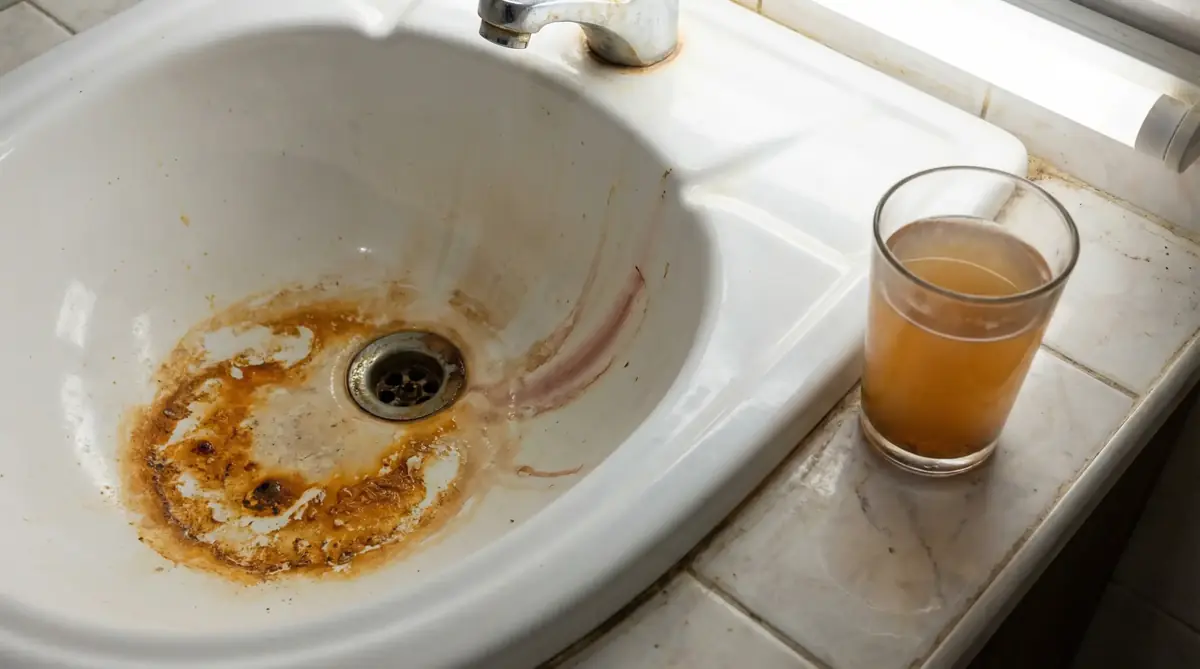
Iron is the most common water quality complaint we hear from well owners in Orangeburg County and the SC Midlands. Even at low concentrations, iron in well water causes stubborn stains, metallic taste, and can damage appliances. Here is everything you need to know about identifying iron problems and the treatment options that actually work.
Three Types of Iron in Well Water
Not all iron is the same, and the type matters because each one requires a different treatment approach:
1. Ferrous Iron (Clear Water Iron)
Ferrous iron is dissolved in water and invisible when it first comes out of the tap. The water looks clear, but after sitting for a while it turns orange or brown as the iron oxidizes when exposed to air. This is the most common type in SC wells and is what causes most staining problems.
2. Ferric Iron (Red Water Iron)
Ferric iron has already oxidized and is visible as orange or reddish particles in the water. You can often see it as sediment that settles at the bottom of a glass of water. It gives water a rusty or cloudy appearance right out of the faucet.
3. Iron Bacteria
Iron bacteria are organisms that feed on iron in the water and create a slimy, rust-colored biofilm inside pipes, toilet tanks, and water fixtures. You might notice a reddish-brown slime in your toilet tank or a musty, swampy smell. Iron bacteria are not harmful to health but are difficult to eliminate without proper treatment.
Signs of Iron in Your Well Water
- Orange, red, or brown stains in sinks, toilets, and bathtubs
- Metallic taste in drinking water
- Discolored laundry, especially whites turning yellowish or orange
- Reddish sediment or particles in water
- Slimy buildup inside toilet tanks
- Clogged faucet aerators and showerheads
How to Remove Iron from Well Water
Oxidizing Iron Filters
For most SC wells with iron levels between 1 and 10 ppm, an oxidizing iron filter is the standard solution. These systems work by converting dissolved ferrous iron into solid ferric iron, then filtering it out. Common media types include birm, greensand, and air injection systems. The right choice depends on your specific iron level and other water chemistry factors.
Air Injection (Chemical-Free)
Air injection iron filters use compressed air to oxidize iron without chemicals. They are a popular choice for homeowners who want a chemical-free solution. These work well for moderate iron levels and also help with hydrogen sulfide (rotten egg smell).
Water Softener (Low Iron Levels)
A standard water softener can handle iron levels up to about 2-3 ppm, in addition to removing hardness. If your iron is higher than that, a dedicated iron filter is needed, often installed before the softener.
Chlorination (Iron Bacteria)
If iron bacteria are present, shock chlorination of the well followed by a whole-house chlorine injection system is usually necessary. This kills the bacteria and oxidizes dissolved iron simultaneously. A carbon filter downstream removes the residual chlorine before water reaches your faucets.
The Right Fix Starts with Testing
Every iron situation is different. The type of iron, the concentration level, your water pH, and the presence of other contaminants all affect which treatment system will work. A water test takes the guesswork out of the equation and ensures you get a system that actually solves the problem.
Iron Problems? We Can Help.
Dubya Water specializes in iron removal for SC well owners. Call (803) 855-1055 for a free water test, or schedule online. We serve Orangeburg County, Columbia, Lexington, Sumter, and the SC Midlands.
Frequently Asked Questions
Is iron in well water harmful to drink?
Iron in drinking water is not considered a health hazard at the levels typically found in SC wells. The EPA secondary standard for iron is 0.3 ppm, which is based on taste and staining rather than health effects. However, very high iron levels can affect taste and make water unpleasant to drink.
Will a whole-house filter remove iron stains?
The right whole-house iron filter will prevent new stains from forming by removing iron before it reaches your fixtures. Existing stains will need to be cleaned with a rust remover or acidic cleaner. Once the filter is installed, you should not see new stains appearing.
How much iron is too much in well water?
The EPA secondary guideline is 0.3 ppm. Above that level, you will likely notice staining and metallic taste. Many wells in Orangeburg County test between 1 and 5 ppm, with some reaching 10 ppm or higher. Any level above 0.3 ppm benefits from treatment.