




How to Remove Sulfur from Well Water: 5 Treatment Methods Compared
Published September 4, 2026 • By Dubya Water
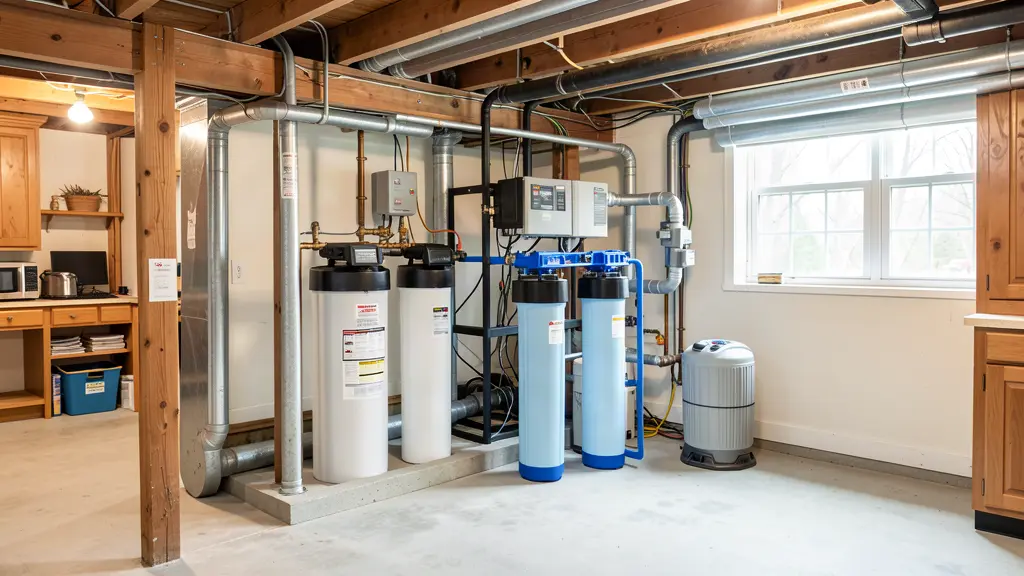
If your well water smells like rotten eggs, you have hydrogen sulfide gas dissolved in your water — and you need to know how to remove sulfur from well water effectively. The five most effective treatment methods are chlorine injection, aeration, catalytic carbon filtration, ozone oxidation, and iron removal filtration, and the right choice depends on your sulfur concentration, water chemistry, and budget.
Sulfur in well water is one of the most common complaints among homeowners in South Carolina's Orangeburg County. The rotten egg odor is unpleasant, but the bigger problem is that sulfur can stain plumbing fixtures, corrode metal pipes, and indicate the presence of sulfur-reducing bacteria in your well. The good news: sulfur is one of the most treatable well water contaminants, and solutions range from under $1,000 to around $4,000 depending on the method you choose.
Dubya Water offers a free well water test that includes sulfur screening for homeowners in Orangeburg, Bamberg, Branchville, and all surrounding communities. A certified technician measures your hydrogen sulfide level on the spot and recommends the most cost-effective treatment approach — with no obligation.
Free Well Water Test — Sulfur Screening Included
Find out your exact sulfur level and the best treatment method. Same-week appointments across Orangeburg County.
Schedule Free TestWhat Causes Sulfur Smell in Well Water?
Sulfur in well water is caused by hydrogen sulfide gas (H₂S), which forms when organic matter breaks down in low-oxygen conditions underground. The gas dissolves into groundwater and releases that unmistakable rotten egg odor when water runs from your faucet. Three things create sulfur in well water:
- Sulfur-reducing bacteria naturally present in groundwater that feed on organic matter and produce hydrogen sulfide gas as a byproduct
- Chemical reactions between sulfate in groundwater and well casing materials, especially in older wells with iron or steel components
- Geological sulfur deposits — South Carolina's coastal plain, including Orangeburg County, has naturally occurring sulfur in the aquifer that dissolves into well water
Homeowners in Cordova, Bowman, and Elloree frequently report sulfur odors because the shallow groundwater aquifers in these areas are prone to sulfur-reducing bacteria. If the smell is strongest from one faucet or only appears in hot water, the sulfur may be coming from your water heater's anode rod rather than the well itself.
How to Remove Sulfur from Well Water: 5 Treatment Methods Compared
Here is a side-by-side comparison of the five most effective sulfur removal methods for residential well water. Use this table to narrow down your options based on sulfur level, cost, and maintenance requirements.
| Treatment Method | Best Sulfur Level | Installed Cost | Maintenance | Pros | Cons |
|---|---|---|---|---|---|
| Catalytic Carbon Filter | Under 1 PPM | $800 - $1,500 | Media replacement every 2-4 years | Chemical-free, low maintenance, effective on low sulfur | Not effective above 1 PPM, media needs periodic replacement |
| Chlorine Injection | 1 - 5 PPM | $1,200 - $2,500 | Chlorine refills every 3-6 months | Highly effective, also kills bacteria, affordable chemicals | Requires chemical handling, needs contact tank, chlorine taste if overdosed |
| Aeration System | 1 - 5 PPM | $1,500 - $3,500 | Minimal | Chemical-free, removes other gases, low operating cost | Higher upfront cost, requires space for aeration tank |
| Ozone Oxidation | Over 5 PPM | $2,500 - $4,500 | Ozone generator service 1-2 years | Very powerful, no chemicals, also treats bacteria and iron | High upfront cost, electrical consumption, professional service needed |
| Iron Removal Filter | Under 1 PPM (with iron) | $1,000 - $2,500 | Backwash cycles, media replacement 3-5 years | Treats sulfur AND iron in one system, proven technology | Only works when iron is also present, less effective for sulfur alone |
For homeowners in the SC Midlands, the most popular choice is catalytic carbon filtration for low-level sulfur and chlorine injection for moderate levels. Dubya Water installs all five system types and can recommend the right one based on your test results. Learn more about our sulfur removal services.
Method 1: Catalytic Carbon Filtration — Best for Low Sulfur (Under 1 PPM)
Catalytic carbon filtration is the simplest and most cost-effective way to remove sulfur from well water when hydrogen sulfide levels are below 1 part per million. The catalytic carbon media acts as a catalyst that accelerates the oxidation of hydrogen sulfide, converting it into elemental sulfur particles that get trapped in the filter bed.
How it works: Water passes through a tank filled with catalytic carbon media. The media's surface catalyzes the reaction between dissolved oxygen in the water and hydrogen sulfide, turning the gas into harmless sulfur particles. These particles are trapped in the filter and removed during periodic backwashing.
Best for: Homes with low sulfur levels and no other major water quality issues. Popular among homeowners in Denmark, Cope, and Norway where sulfur odors are mild but persistent.
Maintenance: Replace the catalytic carbon media every 2 to 4 years depending on water usage and sulfur levels. The system backwashes automatically on a timer. Annual checkup by a professional ensures optimal performance.
Method 2: Chlorine Injection — Best for Moderate Sulfur (1-5 PPM)
Chlorine injection is one of the most effective ways to remove sulfur from well water when hydrogen sulfide levels range from 1 to 5 PPM. A small pump injects a precise amount of chlorine solution into the water, which chemically oxidizes hydrogen sulfide on contact.
How it works: A metering pump injects chlorine (typically sodium hypochlorite) into the water line. The chlorinated water flows into a contact tank that provides 3-5 minutes of reaction time, allowing the chlorine to fully oxidize the hydrogen sulfide. The water then passes through a catalytic carbon filter that removes residual chlorine and the oxidized sulfur particles.
Best for: Homes with persistent sulfur odors at moderate levels. Also effective for treating iron bacteria and other biological contaminants. Dubya Water installs chlorine injection systems for homeowners in Rowesville, Orangeburg, and throughout Orangeburg County.
Maintenance: Refill the chlorine solution every 3 to 6 months. Inspect the injection pump annually. The carbon filter media needs replacement every 2-3 years.
Method 3: Aeration — Chemical-Free for Moderate Sulfur
Aeration treatment removes sulfur from well water without adding any chemicals by using compressed air to oxidize hydrogen sulfide. This method is ideal for homeowners who prefer a natural, chemical-free treatment approach.
How it works: Water enters an aeration tank where compressed air is bubbled through it, or the water is sprayed into a pressurized headspace filled with air. The oxygen in the air oxidizes the hydrogen sulfide, converting it into solid sulfur particles. The water then flows through a filter that captures the particles. The oxidized sulfur is flushed out during backwashing.
Best for: Homeowners who want a chemical-free solution and have moderate sulfur levels. Also effective at removing other dissolved gases like methane and radon. The upfront cost is higher than carbon filtration, but the operating cost is very low.
Maintenance: Very low. The air compressor may need periodic service. The filter media backwashes automatically. Annual inspection ensures the system runs efficiently.
Method 4: Ozone Oxidation — Best for High Sulfur (Over 5 PPM)
Ozone oxidation is the most powerful chemical-free method to remove sulfur from well water. Ozone (O₃) is a highly reactive form of oxygen that instantly oxidizes hydrogen sulfide, even at very high concentrations.
How it works: An ozone generator produces ozone gas from electricity, which is injected into the water through a venturi injector. The ozone reacts immediately with hydrogen sulfide, oxidizing it into harmless sulfur compounds. Any residual ozone breaks down into ordinary oxygen, leaving no chemical residue.
Best for: Homes with extremely high sulfur levels over 5 PPM, or where other methods have failed. Ozone also effectively treats iron, manganese, and bacteria. This is the most expensive option and is typically reserved for the most challenging water quality issues.
Maintenance: The ozone generator needs professional service every 1-2 years. Operating cost is higher due to electricity consumption. System requires professional installation and periodic checkups.
Method 5: Iron Removal Filter — Best When Sulfur and Iron Are Both Present
If your well water has both sulfur and iron — a very common combination in South Carolina wells — an iron removal filter with sulfur-fighting capability may be the most efficient solution. These systems use specialized media that captures both contaminants in a single tank.
How it works: Media like Birm, greensand, or Filox catalyze the oxidation of both iron and hydrogen sulfide. As water flows through the media bed, iron converts to a filterable solid and sulfur oxidizes into particles. Both are trapped and flushed out during automatic backwashing cycles. This is the same technology used in dedicated iron removal systems, but with media formulated for sulfur removal as well.
Best for: Homes with both iron staining and sulfur odor. If you see reddish-brown stains on fixtures AND smell rotten egg odor, a combined iron and sulfur removal system saves you from installing two separate treatment units.
Maintenance: Media replacement every 3-5 years. Automatic backwashing cycles. The system also works well with water softeners when hardness minerals are also present in your water.
Not Sure Which Method Is Right for Your Home?
Schedule a free on-site water test. We measure your exact sulfur level and recommend the most cost-effective treatment — with no obligation.
Get Your Free Water Testor call (803) 855-1055
Serving Orangeburg, Bamberg, Branchville, Cordova, Bowman, Elloree, Denmark, Cope, Norway, Rowesville, and all of the SC Midlands.
Which Sulfur Removal Method Is Right for Your SC Home?
Choosing the right way to remove sulfur from well water depends on three factors:
- Your sulfur level. Catalytic carbon (under 1 PPM), chlorine injection or aeration (1-5 PPM), ozone (over 5 PPM). You need a water test to know your exact level.
- Your water chemistry. If you also have high iron or hardness, a combined system or dual-treatment approach may be needed. Iron removal systems handle both sulfur and iron together.
- Your budget and preferences. Carbon filtration is the cheapest and simplest. Chlorine injection is the most proven for moderate sulfur. Aeration and ozone cost more upfront but avoid chemicals.
For most homeowners in South Carolina's Orangeburg County, the smart path is: start with a free on-site water test to measure your sulfur level, then choose the simplest and most cost-effective method that matches your needs.
Can a Water Softener Remove Sulfur Smell?
No. A standard water softener removes hardness minerals (calcium and magnesium) through ion exchange, but it does not remove hydrogen sulfide gas. Many homeowners assume that installing a water softening system will fix sulfur odors, but the two problems require completely different treatment approaches.
If you need both water softening and sulfur removal, you can install a water softener alongside a sulfur treatment system. Dubya Water offers whole-home solutions that combine water softening with sulfur removal in a single installation, saving space and simplifying maintenance.
Sulfur in Well Water FAQs
What is the best way to remove sulfur from well water?
The best way depends on your sulfur level. For low sulfur (under 1 PPM), catalytic carbon filtration is most cost-effective. For moderate sulfur (1-5 PPM), chlorine injection or aeration work best. For high sulfur (over 5 PPM), ozone is most effective. Get a free water test to know your exact level before choosing.
Does a water softener remove sulfur smell from well water?
No. Water softeners remove calcium and magnesium but cannot remove hydrogen sulfide gas. You need a dedicated sulfur removal system like catalytic carbon filtration, chlorine injection, or aeration to eliminate sulfur odors.
How much does sulfur removal system installation cost in South Carolina?
Costs range from $800 to $4,500 depending on the method. Catalytic carbon: $800-$1,500. Chlorine injection: $1,200-$2,500. Aeration: $1,500-$3,500. Ozone: $2,500-$4,500. Dubya Water offers free estimates for homeowners across Orangeburg County.
How to remove sulfur from well water without chemicals?
You can remove sulfur without chemicals using catalytic carbon filtration (under 1 PPM), aeration (1-5 PPM), or ozone oxidation (over 5 PPM). All three methods use physical or oxidative processes without adding chemicals to your water.
Is sulfur in well water dangerous?
At typical residential levels, hydrogen sulfide in well water is not considered a health hazard. However, it is highly corrosive to metal pipes and can cause yellow or black stains on plumbing fixtures. It also creates an unpleasant environment for bathing and drinking. Treatment is recommended for comfort, aesthetics, and plumbing protection.
Why does my well water smell like rotten eggs only from the hot water?
If the rotten egg smell is only in hot water, the sulfur is likely coming from your water heater's anode rod. Magnesium anode rods can react with sulfate in the water to produce hydrogen sulfide gas when heated. Switching to an aluminum-zinc anode rod often fixes this issue without needing a whole-house sulfur treatment system.