




Well Water Bacteria Treatment: A Complete Guide to Causes, Testing, and Solutions for South Carolina Homes
Published July 31, 2026 • By Dubya Water
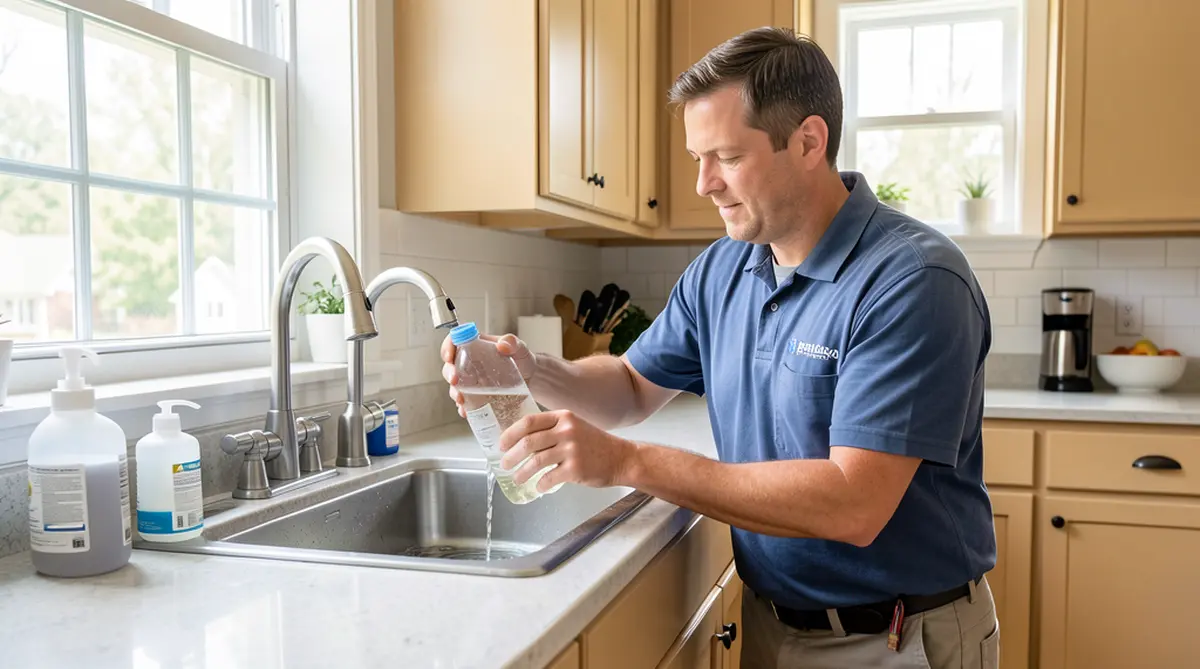
Bacteria in well water is a serious health concern that affects thousands of private well owners across South Carolina. Bacteria contamination can cause gastrointestinal illness, and in vulnerable individuals, more severe health complications. The good news: with proper testing and the right treatment system, bacteria in well water is entirely manageable.
This comprehensive guide covers what causes bacteria in well water, how to test for it, the best treatment options available for well water bacteria treatment in Orangeburg SC and surrounding communities, and how to keep your water safe year after year.
If you suspect bacteria in your well water, do not wait for symptoms to appear. Dubya Water offers a free well water test that includes on-site screening. Call (803) -85-5-1055 to schedule yours today.
Free Well Water Test — No Obligation
Find out if bacteria or other contaminants are in your well water. Same-week appointments available.
Schedule Free TestWhat Causes Bacteria in Well Water?
Bacteria contamination in private wells usually comes from surface water or organic material entering the well system. Understanding the cause is the first step toward effective well water bacteria treatment in Orangeburg SC and throughout the region.
The most common causes include:
- Surface water intrusion: Heavy rainfall or flooding can push bacteria-laden surface water into wells through cracked casings, unsealed caps, or compromised well seals. This is especially common in Orangeburg County's sandy soils, which allow rapid water movement.
- Septic system proximity: Wells located too close to septic drain fields are at higher risk. In areas like Rowesville and Cordova, older homes with aging septic systems near shallow wells face elevated bacteria risks.
- Agricultural runoff: Fertilizer, manure, and livestock waste can introduce coliform bacteria and nitrates into groundwater. This is a concern for Bamberg and Denmark homeowners near farm operations.
- Well construction issues: An improperly constructed well — one with an inadequate seal, a damaged casing, or a below-grade well cap — provides a direct pathway for bacteria to enter.
- Well age and maintenance: Older wells that have never been inspected or serviced are more likely to have compromised components that allow contamination.
The key takeaway: bacteria contamination is rarely random. It has a cause that can be identified and addressed. A professional water test from Dubya Water can pinpoint the problem and guide the right treatment approach.
How to Test Well Water for Bacteria
Testing is the only reliable way to know if bacteria are present in your well water. Bacteria have no taste, no smell, and no visible signs in most cases. If you rely on taste or clarity to judge water safety, you may be drinking contaminated water right now.
A proper bacteria test for well water involves:
- Collecting a sterile sample: A certified lab provides a sterile container with specific collection instructions. The faucet must be sanitized, the aerator removed, and the water run for several minutes before collection.
- Lab analysis: The sample is tested for total coliform bacteria and E. coli. Total coliform indicates potential surface contamination. E. coli signals fecal contamination — a serious health emergency.
- Getting results: Lab results typically come back in 3-5 business days. If bacteria are detected, the report will specify the type and concentration.
Dubya Water offers a free well water test that includes on-site screening for common well water issues. For a complete bacteria analysis, we can provide a certified lab test kit. Call (803) -85-5-1055 to get started.
"Bacteria in well water have no taste, no smell, and no visible signs. Lab testing is the only reliable detection method. Don't assume clear water is safe water."
Well Water Bacteria Treatment Options Compared
Once testing confirms bacteria in your well water, the next step is treatment. There are three primary treatment methods for well water bacteria treatment. Each has different advantages, costs, and maintenance requirements.
| Treatment Method | How It Works | Best For | Cost Range |
|---|---|---|---|
| UV Disinfection | Ultraviolet light damages bacteria DNA, preventing reproduction. Chemical-free. | Homes that want chemical-free treatment. Requires pre-filtration for clear water. | $800 - $2,500 |
| Chlorination | Chlorine injects into water to kill bacteria. Provides residual disinfection. | Homes with recurring bacteria issues or iron bacteria. Good for high-flow needs. | $500 - $1,500 |
| Ozone Treatment | Ozone gas oxidizes bacteria on contact. Powerful oxidizer, no chemical residue. | High-capacity systems for larger homes or commercial use. | $1,500 - $4,000 |
UV Disinfection — The Most Popular Choice
UV disinfection is the preferred well water bacteria treatment for most South Carolina homeowners. It uses ultraviolet light to inactivate bacteria, viruses, and cysts without adding chemicals to the water. The water passes through a chamber with a UV lamp, and the light damages the microorganisms' DNA so they cannot reproduce.
UV systems require clear water to work effectively. Sediment, iron, and hardness must be filtered out before the UV chamber. This is why Dubya Water often installs a complete treatment package: water softening + iron removal + UV disinfection. This approach ensures crystal-clear, bacteria-free water from every tap.
Chlorination — Reliable and Cost-Effective
Chlorination systems inject a precise amount of chlorine into the water, killing bacteria on contact. The advantage of chlorination is residual disinfection — the chlorine continues working throughout your plumbing system, preventing recontamination in pipes. Chlorination is also effective against iron bacteria, which UV alone cannot treat.
Ozone Treatment — High-Capacity Option
Ozone is a powerful oxidizer that kills bacteria faster than chlorine and leaves no chemical taste or residue. Ozone systems are well-suited for larger homes, high water usage, or commercial applications. The equipment cost is higher, but maintenance is minimal.
When to Call a Professional for Well Water Bacteria Treatment
While shock chlorination can be a temporary DIY fix, permanent well water bacteria treatment requires professional installation and maintenance. You should call Dubya Water if:
- Your water test shows total coliform or E. coli present
- You have experienced flooding or heavy rainfall near your well
- A household member has recurring gastrointestinal issues
- Your well casing or cap is damaged
- You need a long-term treatment solution, not a temporary fix
Dubya Water serves Orangeburg, Rowesville, Cordova, Bowman, Elloree, Branchville, Denmark, and all surrounding communities within 50 miles. Our certified technicians provide free on-site water testing, expert system design, and professional installation with a 10-year warranty.
Free Water Test & Consultation
Find out if bacteria or other contaminants are in your well water. Our free on-site test covers hardness, iron, pH, sulfur, and TDS.
Schedule Free Testor call (803) -85-5-1055
Serving Orangeburg, Rowesville, Cordova, Bowman, and all of the SC Midlands.
Preventing Bacteria Contamination in Your Well
Prevention is the best long-term strategy for keeping bacteria out of your well water. Here are key steps every well owner should follow:
- Annual testing: Test for bacteria and nitrates at least once a year. More frequent testing after flooding or well repairs is recommended.
- Well maintenance: Inspect the well cap, casing, and visible components annually. Ensure the cap is sealed, the casing is intact, and the ground slopes away from the well.
- Manage surface water: Divert rainwater away from the wellhead. Keep gutters, downspouts, and drainage channels clear.
- Maintain proper setbacks: Keep septic systems, livestock, fertilizer storage, and chemical handling areas at safe distances from the well.
- Install a treatment system: UV disinfection provides continuous protection against bacteria. It is the most reliable way to ensure your water is always safe.
Frequently Asked Questions About Well Water Bacteria Treatment
What are the symptoms of drinking water with bacteria?
Symptoms of drinking water contaminated with bacteria include nausea, stomach cramps, diarrhea, vomiting, and fatigue. Symptoms typically appear 12-48 hours after consumption. Infants, elderly, pregnant women, and immunocompromised individuals are most vulnerable. However, many people show no symptoms while still being exposed to harmful bacteria.
Can boiling well water remove bacteria?
Boiling well water kills bacteria and makes it safe to drink temporarily. However, boiling is not a practical long-term solution for well water bacteria treatment. It only treats water in small batches, requires energy, and does nothing to address the source of contamination. A professionally installed UV disinfection or chlorination system provides continuous, convenient protection.
How long does it take to treat bacteria in well water?
After installing a UV or chlorination treatment system, bacteria are eliminated immediately as water passes through the system. The entire installation process typically takes one day. For existing contamination, Dubya Water can perform shock chlorination to reduce the immediate bacteria load, then install a permanent treatment system for ongoing protection.
Does UV disinfection work for all types of bacteria?
UV disinfection is effective against 99.99% of bacteria, viruses, and protozoa, including E. coli, coliform, salmonella, and giardia. However, UV does NOT remove iron bacteria or chemical contaminants. For iron bacteria, chlorination or ozone treatment is needed. For a complete water treatment solution, Dubya Water often combines water softening, iron removal, and UV disinfection in a single integrated system.
Where can I get well water bacteria treatment near me in Orangeburg SC?
For well water bacteria treatment near me in Orangeburg SC, Dubya Water is your local expert. We serve all of Orangeburg County including Orangeburg, Rowesville, Cordova, Bowman, Elloree, Branchville, Denmark, Bamberg, Cope, Norway, and all surrounding communities. Call (803) -85-5-1055 to schedule a free water test and consultation.