




Hard Water Signs and Solutions for South Carolina Homeowners
Published March 19, 2026 • By Dubya Water
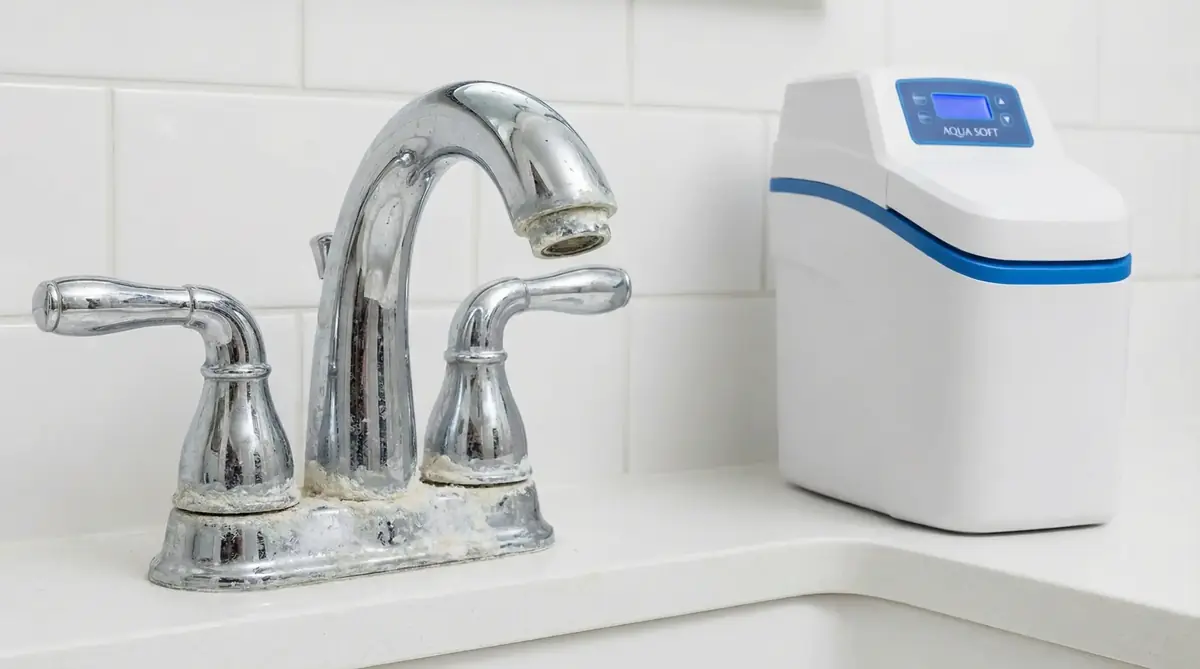
Hard water is one of the most common water quality issues in Orangeburg County and across the SC Midlands. It is caused by high concentrations of dissolved minerals, primarily calcium and magnesium, that naturally occur in our groundwater. While hard water is not a health hazard, it causes real problems in your home that cost money over time.
What Makes SC Water So Hard?
Much of the water in Orangeburg County comes from wells that tap into limestone and sedimentary rock formations. As groundwater moves through these layers, it picks up calcium and magnesium. The result is water that tests between 7 and 15 grains per gallon (GPG) in most areas of the SC Midlands, which is classified as hard to very hard.
7 Signs You Have Hard Water
- White scale buildup on faucets and showerheads: That crusty white or off-white deposit around your fixtures is calcium carbonate, the most visible sign of hard water.
- Spots on dishes and glassware: If your glasses come out of the dishwasher with cloudy spots or white film, hard water minerals are leaving deposits during the rinse cycle.
- Soap that does not lather well: Hard water reacts with soap to form soap scum instead of suds. You end up using more soap, shampoo, and detergent to get the same results.
- Dry, itchy skin and flat hair: The mineral film left behind after showering can dry out your skin and make hair feel stiff and lifeless.
- Stiff, dingy laundry: Clothes washed in hard water can feel rough and look dull because minerals get trapped in the fabric fibers.
- Reduced water heater efficiency: Scale builds up inside your water heater tank and on the heating elements, making it work harder and use more energy. This is one of the hidden costs of hard water that adds up over years.
- Clogged pipes and low water pressure: In severe cases, mineral buildup inside pipes gradually restricts water flow. Older galvanized steel pipes are especially vulnerable.
How to Fix Hard Water
Water Softener (Most Common Solution)
A whole-home water softener is the standard solution for hard water. It uses an ion exchange process to remove calcium and magnesium from your water before it reaches your fixtures and appliances. Modern softeners are efficient, low-maintenance, and typically pay for themselves within a few years through reduced soap usage, lower energy bills, and extended appliance life.
Water Conditioner (Salt-Free Alternative)
If you prefer not to use salt, a water conditioner changes the structure of hard water minerals so they do not stick to surfaces. This prevents scale buildup without actually removing the minerals. It is a good option for people on sodium-restricted diets or those who want lower maintenance.
Start with a Water Test
The first step is always testing your water. A professional water test tells you exactly how hard your water is and whether there are other issues like iron, sulfur, or pH imbalance that need to be addressed at the same time. At Dubya Water, we offer free water testing for homeowners in Orangeburg County and the SC Midlands.
Get a Free Water Test
Find out exactly what is in your water. Call (803) 855-1055 or schedule your free water test online. We serve Orangeburg, Columbia, Lexington, Sumter, and the surrounding SC Midlands.
Frequently Asked Questions
Is hard water safe to drink?
Yes. Hard water is not a health risk. The calcium and magnesium in hard water are actually minerals your body needs. The problems with hard water are related to your home, not your health: scale buildup, appliance damage, and soap inefficiency.
How much does a water softener cost?
A whole-home water softener typically costs between $1,500 and $3,500 installed, depending on the size of your home and the hardness level of your water. Most homeowners see a return on investment within 2-4 years through reduced soap, energy, and plumbing costs.
How do I know how hard my water is?
A professional water test is the most accurate way. We test for hardness measured in grains per gallon (GPG): 0-3.5 is soft, 3.5-7 is moderate, 7-10.5 is hard, and above 10.5 is very hard. Most Orangeburg County well water tests in the hard to very hard range.