



Coliform Bacteria in Well Water: Complete Testing & Treatment Guide for SC Homes
Published September 7, 2026 • By Dubya Water
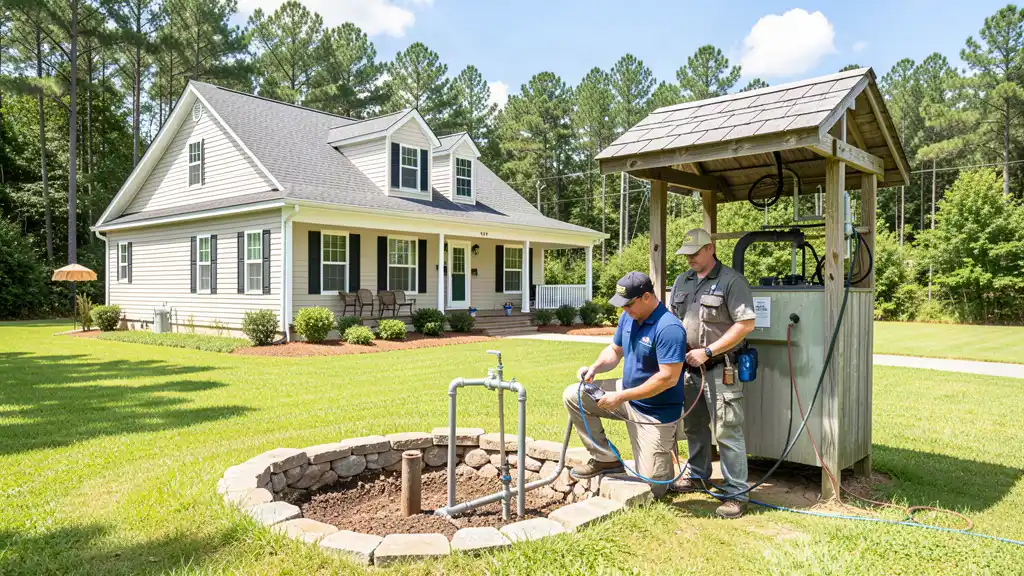
Coliform bacteria in well water is one of the most serious water quality concerns facing South Carolina homeowners who rely on private wells. Total coliform bacteria — including the dangerous E. coli — indicates that your water supply may be contaminated with disease-causing pathogens. This comprehensive guide covers everything you need to know: what coliform bacteria is, how it enters your well, health risks, testing methods, treatment options, and prevention strategies — all tailored to SC homeowners in Orangeburg County and the surrounding Midlands region.
If you own a home with a private well in Orangeburg, Rowesville, Cordova, or anywhere in South Carolina, bacteria contamination is something you need to understand and test for regularly. Unlike municipal water supplies that are treated and monitored by the city, private well water is entirely your responsibility. The EPA does not regulate private wells, and South Carolina DHEC recommends that well owners test annually for coliform bacteria. Yet most homeowners go years without testing, unaware that their drinking water may contain harmful microorganisms.
What Exactly Is Coliform Bacteria in Well Water?
Coliform bacteria are a broad group of microorganisms that exist naturally in soil, surface water, vegetation, and the intestines of warm-blooded animals. While most coliform bacteria are harmless, their presence in well water acts as an "indicator" — if coliforms are found, it suggests that the well water may be contaminated with more dangerous pathogens, including viruses, parasites, and disease-causing bacteria.
There are two main categories: Total Coliform — the general group that indicates potential surface water contamination, and Fecal Coliform / E. coli — bacteria that come specifically from human or animal waste. Finding E. coli in your well water is a serious health emergency that requires immediate action.
For homeowners in Bowman, Elloree, and Branchville, where older wells and agricultural land are common, the risk of coliform contamination is significantly higher than in newer suburban developments. Schedule a free well water test in Orangeburg SC to check for coliform bacteria today.
What Causes Coliform Bacteria in SC Well Water?
Coliform bacteria enter well water through specific pathways that are especially relevant to South Carolina's geography and climate. The sandy soils common in the Orangeburg area allow surface water to percolate downward quickly, carrying bacteria into the groundwater. Heavy rainfall — which South Carolina experiences frequently, especially in spring and hurricane season — can cause wellheads to flood, washing contaminants directly into the well.
Common causes of coliform contamination in SC wells include: cracked or damaged well casings from ground movement in areas like Bamberg and Denmark; flooded wellheads after heavy rain in Cope and Norway; failing septic systems within 50-100 feet of the well; improper well construction without proper grouting or surface seals; surface water runoff carrying agricultural waste; and well maintenance neglect such as missing or damaged well caps that allow insects and debris to enter.
If you live in rural areas around Rowesville or have a well built before 2000, your contamination risk is significantly higher. Older wells often lack modern sanitary seals and have aging casings that develop cracks over time. Contact Dubya Water for a complete well inspection and bacteria test to identify potential entry points.
What Are the Health Risks of Coliform Bacteria in Drinking Water?
The health effects of coliform bacteria in drinking water range from mild gastrointestinal discomfort to life-threatening illness. When total coliform or E. coli bacteria are present, anyone consuming the water is at risk. Symptoms typically appear 12-72 hours after exposure and may include: watery or bloody diarrhea, severe stomach cramps and abdominal pain, nausea and vomiting, low-grade fever and fatigue, and loss of appetite.
Certain populations are especially vulnerable: infants and young children, elderly adults, pregnant women, and individuals with weakened immune systems — including cancer patients, transplant recipients, and people with autoimmune conditions. For these groups, coliform bacteria in well water can cause severe dehydration requiring hospitalization.
Beyond acute illness, chronic low-level exposure to contaminated well water can contribute to ongoing digestive issues. This is why the CDC and SC DHEC both recommend annual testing for all private wells — and immediate testing after flooding or any well repair. If your family is experiencing unexplained stomach problems and you have a private well, stop drinking the water and contact Dubya Water for a free well water test today.
How to Test Well Water for Coliform Bacteria in Orangeburg County
Testing for coliform bacteria requires professional laboratory analysis — standard home test kits sold at hardware stores are not reliable for bacteria detection. The proper testing process involves collecting a sterile water sample directly from the well tap, using a specialized container that prevents contamination during collection, and delivering the sample to a certified lab within 24 hours for analysis.
In South Carolina, homeowners have several testing options. The SC Department of Health and Environmental Control (DHEC) offers water testing for private wells. Certified private laboratories provide faster turnaround, typically 3-5 business days. And Dubya Water offers free well water testing for Orangeburg County residents, including comprehensive bacteria screening.
The test checks for both total coliform and E. coli. Our trained technician collects the sterile sample from your well, delivers it to our certified lab partner, and we provide you with a clear report and treatment recommendations within a week. For homeowners in Cordova, Denmark, Bamberg, and surrounding communities, we can often schedule same-week testing.
How to Treat Coliform Bacteria in Well Water
Treating coliform bacteria in well water follows a three-stage approach: emergency disinfection, source correction, and permanent treatment installation. Each stage is essential — skipping any one means the contamination will return.
Stage 1 — Shock Chlorination: The immediate response to a positive coliform test is shock chlorination. A high concentration of chlorine is introduced directly into the well to kill existing bacteria. This must be performed by a professional to ensure proper dosage and safety. After treatment, the well is flushed thoroughly, and the water is retested to confirm the bacteria are gone. For wells in Cope and Norway with shallow water tables, shock chlorination is especially effective because the chlorine reaches all parts of the well system.
Stage 2 — Identify and Fix the Contamination Source: Treating bacteria without fixing the entry point guarantees recontamination. A professional well inspection identifies how bacteria entered — cracked casing, faulty seal, septic proximity, or surface water runoff. Repairs may include replacing the well cap, sealing casing cracks, raising the wellhead above flood level, improving surface drainage, or relocating the septic system. In Elloree and Branchville where water tables are high, raising the wellhead is often the critical fix.
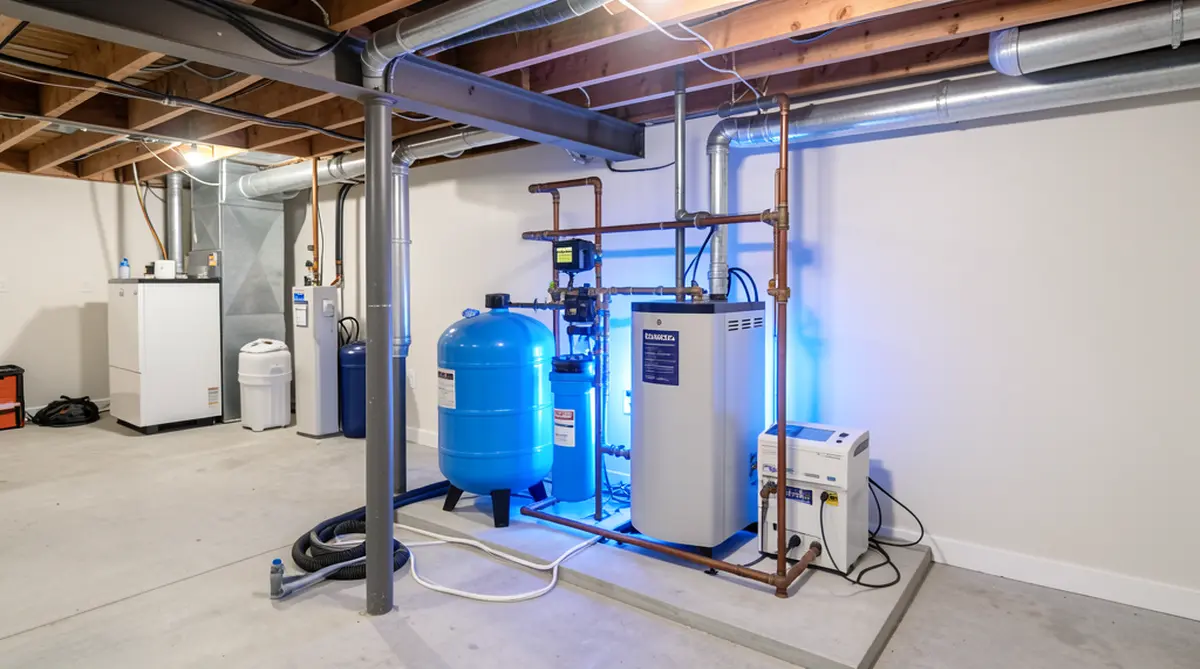
Stage 3 — Install a Continuous Disinfection System: For ongoing protection, a permanent treatment system is installed at the point where water enters your home. The three main options for SC homeowners are:
UV Sterilization — Ultraviolet light systems kill 99.99% of bacteria and viruses without chemicals. No taste or odor changes. Requires pre-filtration to remove sediment that can shield bacteria from UV light. Low operating cost (bulb replacement every 12 months). Best for most SC homes.
Continuous Chlorination — Chlorine injection systems that provide residual disinfection throughout your plumbing. Effective against all microorganisms. Requires a carbon filter to remove chlorine taste from drinking water. Good for homes with recurring contamination issues.
Ozone Treatment — Ozone gas oxidation destroys bacteria and viruses instantly. No chemical handling. Higher equipment cost. Requires professional maintenance. Best for large homes or commercial properties.
For most SC homeowners in Orangeburg County, UV sterilization combined with a 5-micron sediment pre-filter is the recommended approach. It's effective, chemical-free, and requires minimal maintenance — just an annual UV bulb replacement. Contact Dubya Water for a free treatment consultation to find the right system for your well.
How to Prevent Coliform Bacteria in Well Water
Preventing coliform contamination is far easier and less expensive than treating an active outbreak. South Carolina well owners should follow these prevention practices: test annually for coliform bacteria; inspect the wellhead seasonally for cracks, damage, or loose caps; maintain at least 50 feet between the well and any septic system component; slope the ground away from the wellhead to prevent standing water; ensure the well cap is properly sealed and vermin-proof; and avoid storing fertilizers, pesticides, fuel, or chemicals near the well.
In areas like Denmark and Bamberg with heavy agricultural activity, additional precautions may be necessary. Consider installing a backflow preventer on irrigation lines, and test for pesticides and nitrates alongside your bacteria test. For older wells in Rowesville and Norway, a professional well inspection every 3-5 years can identify developing issues.
Dubya Water offers comprehensive well inspections and free water testing throughout Orangeburg County, including Orangeburg, Rowesville, Cordova, Bowman, Elloree, Branchville, Cope, Norway, Denmark, and Bamberg. Regular testing and maintenance is the most cost-effective way to protect your family from coliform bacteria.
Well Water Bacteria FAQs
Will a water softener remove coliform bacteria?
No, water softeners do not remove or kill coliform bacteria. Water softeners remove hardness minerals through ion exchange but have no effect on microorganisms. Coliform requires a dedicated disinfection system such as UV sterilization, chlorination, or ozone treatment.
Can coliform bacteria in well water go away on its own?
Coliform contamination rarely resolves without intervention. A temporary contamination event from surface water intrusion may clear after shock chlorination, but the underlying cause — cracked casing, faulty seal, or septic proximity — will cause repeated contamination unless addressed. Professional source correction and ongoing treatment are necessary.
Can you see or taste coliform bacteria in well water?
No. Coliform bacteria are completely invisible, tasteless, and odorless. This is what makes bacterial contamination particularly dangerous — you cannot detect it without laboratory testing. If your water looks, tastes, or smells unusual, that indicates a different type of contamination (iron, sulfur, sediment) that requires separate testing.
Is bottled water safer than well water with coliform?
Yes, if your well tests positive for coliform, use bottled or boiled water for drinking and cooking until resolved. However, bottled water is expensive long-term. Installing a UV sterilization system provides whole-house protection and is far more cost-effective than buying bottled water for years.
Does reverse osmosis remove coliform bacteria?
Reverse osmosis membranes (0.0001 micron pore size) can physically remove bacteria, but RO is a point-of-use system that treats water at a single faucet — it doesn't protect your entire home. For whole-house bacteria protection, UV sterilization or chlorination is recommended. RO also requires pre-filtration and produces wastewater.
How often should I test my well water for bacteria in SC?
The CDC and SC DHEC recommend testing private wells for coliform bacteria at least once per year. Additional testing is needed after any well repair, flooding, or if you notice water quality changes. In agricultural areas like Bamberg and Denmark, semi-annual testing is recommended. Dubya Water provides free testing for Orangeburg County residents.
Need help with coliform bacteria in your well water? Dubya Water provides free well water testing and bacteria treatment solutions for homeowners throughout Orangeburg County. We serve Orangeburg, Rowesville, Cordova, Bowman, Elloree, Branchville, Cope, Norway, Denmark, and Bamberg. Schedule your free well water test today or call (803) 855-1055.