



Well Water Bacteria Treatment: Complete Guide for South Carolina Homes
Published 2026-09-21 • By Dubya Water
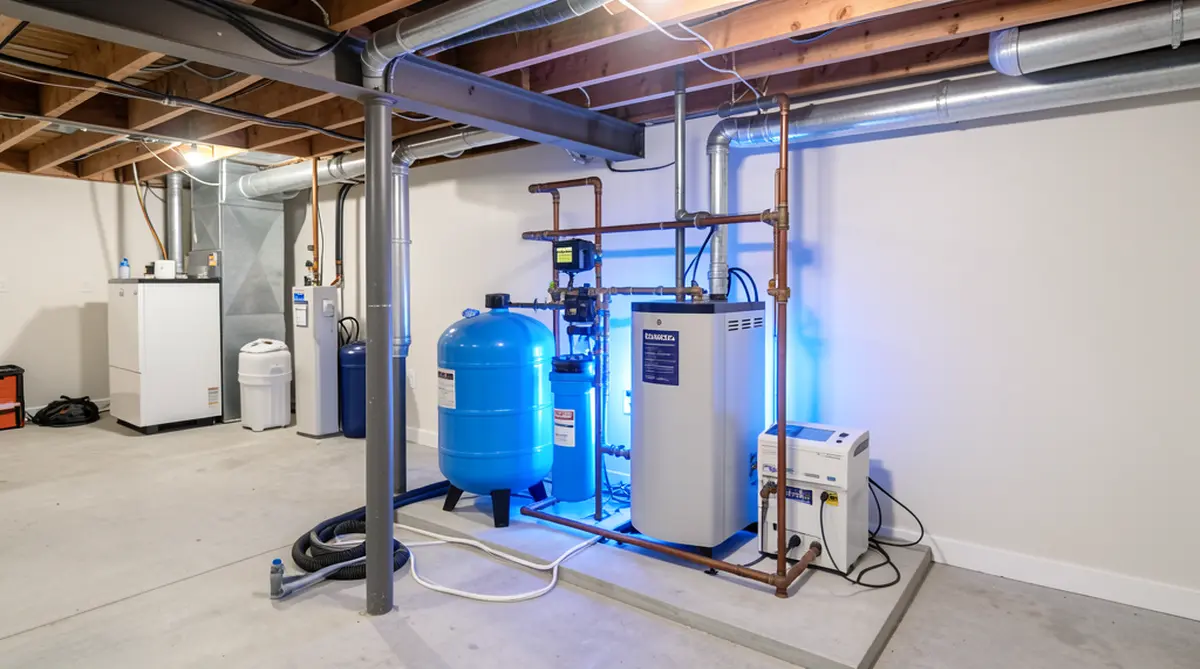
If your well water has bacteria — whether coliform, E. coli, iron bacteria, or sulfur bacteria — you need fast, effective treatment to protect your family's health. This comprehensive guide covers everything South Carolina homeowners need to know about well water bacteria testing, treatment options, costs, and prevention strategies, with specific guidance for Orangeburg County and the surrounding Midlands region.
Private well water is not regulated by the EPA or treated by municipal systems. If you own a well in Orangeburg, Rowesville, Cordova, or Bowman SC, the responsibility for testing and treating your water falls entirely on you. The good news? Modern water treatment technology — UV disinfection, chlorination, and ozone treatment — can eliminate bacteria from your well water and keep your family safe.
What Types of Bacteria Are Found in Well Water?
Several types of bacteria can contaminate private wells in South Carolina. Understanding which type you have is essential for choosing the right treatment.
Total Coliform Bacteria. These are the most common indicator bacteria found in well water. Their presence suggests surface water may be entering your well through cracks in the casing, a damaged well cap, or flooded wellheads. While most coliform bacteria are harmless, their presence indicates that disease-causing pathogens could also be present.
E. coli (Fecal Coliform). This bacteria comes from human or animal waste and is a serious health risk. If E. coli is detected in your well water, stop drinking it immediately and contact a professional. This is most common in areas with failing septic systems or agricultural runoff — a concern for homeowners in Elloree and Branchville where older septic systems are common.
Iron Bacteria. These bacteria don't cause health problems but create a reddish-brown slime in toilet tanks, pipes, and fixtures. They thrive in well water with dissolved iron. If you see orange slime in your toilet tank, iron bacteria may be the cause. Iron filtration combined with disinfection is usually needed.
Sulfur Bacteria. These produce a rotten egg smell and can corrode pipes. They're common in wells with high sulfate content and often require specialized treatment like chlorine injection or aeration.
What Causes Bacteria in SC Well Water?
South Carolina's geography and climate create several pathways for bacteria to enter wells. The sandy soils common in Orangeburg County allow surface water to percolate downward quickly, carrying contaminants into the groundwater. Heavy rainfall — especially during spring storms and hurricane season — can flood wellheads and wash bacteria directly into the well.
Common contamination causes include: cracked or damaged well casings from ground movement in areas like Denmark and Bamberg; flooded wellheads after heavy rain in Cope and Norway; failing septic systems within 50-100 feet of the well; improper well construction without proper grouting or surface seals; surface water runoff carrying agricultural waste; and missing or damaged well caps allowing insects and debris to enter.
If your well was built before 2000, your contamination risk is significantly higher. Older wells often lack modern sanitary seals and have aging casings that develop cracks. Schedule a free well water test to identify potential contamination sources.
How to Test Well Water for Bacteria in Orangeburg County
Testing for bacteria in well water requires a certified laboratory analysis — home test kits are not reliable for detecting coliform or E. coli. The process involves collecting a sterile water sample from your well tap following strict protocol to avoid contamination.
Dubya Water offers free well water testing for homeowners in Orangeburg, Rowesville, Cordova, Bowman, Elloree, Branchville, and all surrounding areas. Our test covers total coliform, E. coli, iron bacteria, and basic water chemistry. Results are available within 3-5 business days.
The CDC and SC DHEC recommend testing private wells for bacteria at least once per year, plus additional testing after any well repair, flooding, or if you notice changes in water taste, smell, or appearance. In agricultural areas like Bamberg and Denmark, semi-annual testing is recommended.
What Is the Best Treatment for Bacteria in Well Water?
The best treatment depends on the type and severity of bacteria contamination. Here are the three main options for SC homeowners:
UV Disinfection. This is the most popular choice for SC homes. A UV system installed at the point of entry exposes water to UV-C light that destroys the DNA of bacteria, viruses, and cysts — killing 99.99% without adding chemicals. UV is low-maintenance (annual lamp replacement), chemical-free, and effective for most bacteria types. It works best with a sediment pre-filter. Cost: $800-$2,500 installed.
Chlorine Injection. Chlorine provides a residual disinfectant that continues protecting water as it travels through pipes. This is better for heavy recurring contamination, wells with high iron or manganese, and homeowners who want an extra margin of safety. Chlorine requires ongoing chemical purchases and a carbon filter to remove chlorine taste. Cost: $1,200-$3,000 installed.
Ozone Treatment. Ozone is the strongest disinfectant available for residential water treatment. It kills everything — bacteria, viruses, and organic contaminants — by oxidation. Ozone is best for complex water quality issues with bacteria plus iron, sulfur, or tannins. It produces no chemical byproducts and leaves no taste. Cost: $2,000-$5,000 installed.
How Does UV Disinfection Work for Well Water Bacteria?
UV disinfection works by passing water through a chamber containing a UV-C light lamp emitting 254 nanometer wavelength light. This wavelength penetrates the cell walls of bacteria, viruses, and cysts and damages their DNA so they cannot reproduce. A properly sized UV system running 24/7 treats water at the point of entry, protecting every faucet in your home.
UV is extremely effective — 99.99% kill rate — but it requires clear water to work. Sediment particles can "shade" bacteria from the UV light. This is why a sediment pre-filter is always installed before the UV system. For SC homeowners in areas with sandy soil around Bowman and Elloree, sediment pre-filtration is especially important.
Iron Bacteria vs Coliform Bacteria: Different Treatment Needed
Iron bacteria creates a thick, sticky slime that can quickly foul UV sleeves and clog pipes. If you have iron bacteria, UV alone may not be enough. The treatment approach typically involves:
Step 1: Remove dissolved iron with a dedicated iron filter or water softener.
Step 2: Shock chlorinate the well to kill the iron bacteria biofilm.
Step 3: Install continuous chlorination injection or ozone treatment to prevent regrowth.
If your well water has orange slime in toilet tanks or stains on laundry, you likely have iron bacteria in addition to potential coliform contamination. Get your water tested for iron bacteria to determine the right treatment approach.
Well Water Bacteria Treatment Cost in Orangeburg SC
Costs vary based on bacteria type, flow rate, and whether pre-filtration is needed:
- Free well water test: $0 — Dubya Water offers free on-site testing for all Orangeburg County residents.
- Shock chlorination: $100-$300 for DIY treatment; $250-$500 for professional treatment including well inspection.
- UV disinfection system: $800-$2,500 installed, including sediment pre-filter and annual lamp replacement ($80-$150/year).
- Chlorine injection system: $1,200-$3,000 installed, plus $200-$400/year for chemicals and filter replacements.
- Ozone treatment system: $2,000-$5,000 installed, with minimal ongoing costs.
- Combined iron removal + UV system: $2,500-$6,000 depending on iron levels and flow rate.
All Dubya Water installations include a 10-year warranty and free annual maintenance checks for Orangeburg County homeowners.
Preventing Bacteria in Well Water: What SC Homeowners Should Do
Prevention is simpler and cheaper than treatment. Follow these steps to reduce your contamination risk:
Annual Testing. Test for coliform bacteria every year. Schedule free testing through Dubya Water.
Well Maintenance. Inspect your well cap and casing annually. Make sure the cap is tight, the casing is intact with no cracks, and the area around the wellhead slopes away to prevent pooling water.
Septic System Distance. Ensure your septic system is at least 50 feet from your well. Older systems in Elloree and Branchville should be inspected every 3-5 years.
Flood Response. After heavy rain or flooding in Orangeburg and Cordova, don't assume your water is safe. Test immediately.
Install a Treatment System. A UV disinfection system provides continuous protection and is the most reliable way to ensure your well water stays bacteria-free.