



Sulfur in well water causes that unmistakable rotten egg smell that hits you the moment you turn on a faucet. The good news: hydrogen sulfide contamination is one of the most treatable well water problems in South Carolina. The right removal system eliminates the smell completely, protects your plumbing, and makes every tap in your home deliver fresh, odor-free water.
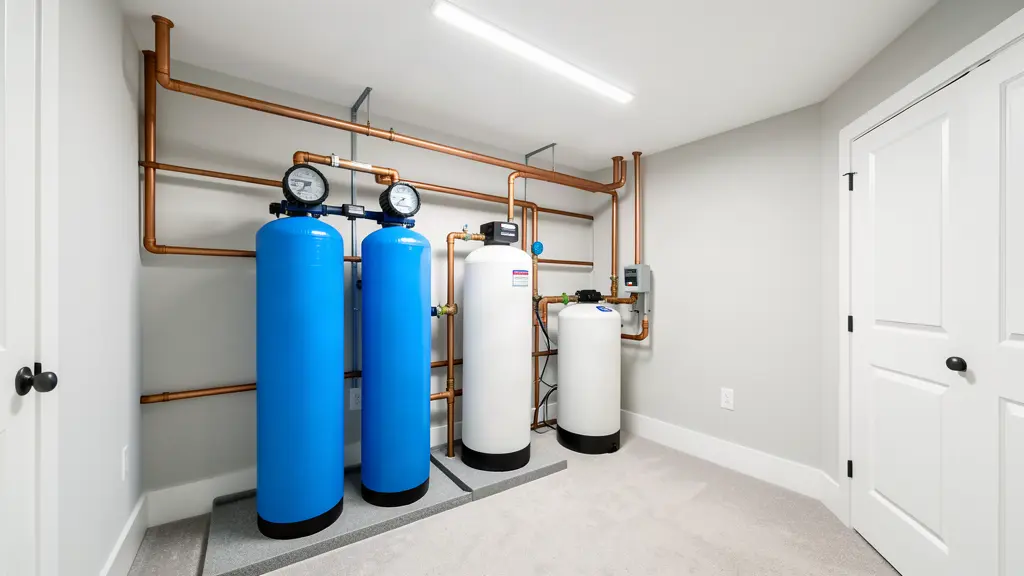
- Sulfur smell (hydrogen sulfide) is caused by sulfur bacteria breaking down sulfates in oxygen-depleted groundwater
- Treatment options include catalytic carbon filtration, aeration, chlorination, and ozone — the right choice depends on sulfur concentration and other contaminants
- South Carolina homes, especially in Orangeburg County and the Lowcountry, are particularly prone to sulfur well water due to the region's geology
- Dubya Water offers free well water testing for Orangeburg, Rowesville, Cordova, Bowman, Elloree, and Branchville residents
- Professional sulfur removal systems start at $800 installed with a 10-year warranty
What causes sulfur smell in well water in South Carolina?
The rotten egg smell in well water is caused by hydrogen sulfide gas (H2S) — a naturally occurring gas produced when sulfur bacteria break down organic matter and sulfates in oxygen-depleted environments. In South Carolina, hydrogen sulfide is especially common in wells drawing from deeper aquifers in the Coastal Plain region, where sulfate-rich groundwater flows through ancient marine sediments.
Orangeburg County and the surrounding Lowcountry sit on a geological formation called the Black Creek Aquifer, which naturally contains elevated sulfate levels. When these sulfates interact with sulfur bacteria that thrive inside well casings, water heaters, and plumbing systems, hydrogen sulfide gas is produced — and that's the smell you notice the moment you turn on the faucet.
The problem is often worse in certain conditions: homes with older wells in the Rowesville area that may have cracked casings or failing well seals, properties near agricultural land in Bowman and Elloree where fertilizer runoff contributes to higher sulfate levels, and homes with water heaters set below 140°F where sulfur bacteria colonize the tank. If you live in Cordova, Denmark, Bamberg, or Cope, you may have noticed the smell is stronger in hot water than cold — that's because heat accelerates the release of hydrogen sulfide gas from the water.
Is sulfur in well water dangerous?
At low concentrations, hydrogen sulfide in drinking water is primarily an aesthetic concern — the smell and taste make water unpalatable, but it's not immediately toxic. However, at higher levels (above 2 mg/L), hydrogen sulfide can cause nausea, stomach upset, and dehydration. The EPA classifies hydrogen sulfide under secondary drinking water standards with a recommended limit of 0.5 mg/L.
Beyond health concerns, sulfur in well water causes real damage to your home:
- Pipe corrosion: Hydrogen sulfide is acidic and accelerates corrosion of copper, brass, and steel plumbing. Homes in Branchville and Norway with older galvanized pipes are especially vulnerable.
- Black stains: Sulfur reacts with silver and copper, causing black stains on fixtures, cookware, and laundry.
- Foul hot water: Water heaters create the perfect environment for sulfur bacteria to thrive, making the problem worse over time.
- Clogs well screens: Sulfur bacteria produce slime that can clog well screens and reduce water flow.
How do you test for sulfur in well water?
Testing well water for sulfur is the essential first step before choosing a treatment system. The two testing approaches are:
Professional laboratory testing
A certified lab test measures the exact concentration of hydrogen sulfide in your water, along with pH, iron, manganese, bacteria, and other parameters that affect which sulfur removal method will work. This is the gold standard and the only way to design an effective treatment system.
On-site free testing from Dubya Water
Dubya Water provides free well water testing for Orangeburg County and surrounding areas. Our technicians visit your home, collect samples directly from your well, and test for hydrogen sulfide concentration, iron levels, water hardness, pH balance, and total dissolved solids. Most results are available the same day. Call (803) 855-1055 or contact us online to schedule your free test.
What are the best methods to remove sulfur from well water?
The right sulfur removal method for your South Carolina home depends primarily on your hydrogen sulfide concentration, water pH, and whether you have other contaminants like iron, manganese, or bacteria. Here's how the treatment methods compare:
Catalytic carbon filtration — best for low sulfur levels
Catalytic carbon filters use a specialized activated carbon that catalyzes the conversion of hydrogen sulfide gas into elemental sulfur, which is then trapped in the filter media. These systems work best when hydrogen sulfide levels are below 2 mg/L and pH is above 6.5.
Pros: Low maintenance, no chemicals, also removes chlorine and improves taste.
Cons: Carbon media needs replacement every 2-3 years. Not effective for high sulfur levels or complex water problems.
Cost: $800 to $2,000 installed, depending on system size and flow rate.
Best for: Homes in Rowesville, Cordova, and Cope with mild sulfur smell and otherwise clean water.
Aeration treatment — best for moderate to high sulfur
Aeration systems work by injecting air into the water stream, which oxidizes hydrogen sulfide gas and converts it into non-reactive sulfur particles that can be filtered out. Aeration is highly effective for hydrogen sulfide concentrations between 2 and 10 mg/L and also helps remove iron and manganese.
Pros: Chemical-free, effective on moderate to high sulfur, also reduces iron and manganese.
Cons: Requires a larger tank, periodic maintenance of the air compressor or venturi system.
Cost: $2,000 to $4,500 installed.
Best for: Homes in Bowman, Branchville, and Elloree with moderate sulfur smell plus iron staining.
Chlorination injection — best for heavy sulfur with bacteria
Chlorine injection systems feed a controlled amount of chlorine bleach into the water, which rapidly oxidizes hydrogen sulfide and kills sulfur bacteria. The water then passes through a retention tank for contact time, followed by a carbon filter to remove residual chlorine taste.
Pros: Extremely effective on high sulfur levels, also disinfects for bacteria, provides residual protection throughout plumbing.
Cons: Requires chemical refills, more maintenance, may produce disinfection byproducts.
Cost: $1,500 to $3,500 installed including retention tank and carbon filter.
Best for: Homes in Denmark and Bamberg with confirmed coliform bacteria alongside sulfur contamination.
Ozone treatment — best for complex water problems
Ozone is the most powerful oxidant available for residential water treatment. It destroys hydrogen sulfide, iron, manganese, bacteria, and organic contaminants in a single process — all without adding chemicals to the water.
Pros: Most powerful treatment, handles multiple contaminants, no chemical byproducts.
Cons: Highest upfront cost, requires professional installation and maintenance.
Cost: $2,500 to $5,000 installed.
Best for: Homes with complex water quality issues combining sulfur, iron, and bacteria — common in parts of Norway and Cope.
How much does sulfur removal system installation cost in Orangeburg County?
Installation costs for sulfur removal systems in Orangeburg County and surrounding areas vary based on the treatment method, your home's plumbing configuration, and the flow rate needed. Here's a realistic breakdown by method:
- Catalytic carbon filter: $800–$2,000 installed
- Aeration system: $2,000–$4,500 installed
- Chlorine injection system: $1,500–$3,500 installed
- Ozone treatment system: $2,500–$5,000 installed
Dubya Water offers free on-site estimates with transparent pricing and a 10-year warranty on all installed equipment. We serve Orangeburg, Rowesville, Cordova, Bowman, Elloree, Branchville, Denmark, Bamberg, Cope, Norway, and all communities within 30 miles of Rowesville.
Can a water softener remove sulfur smell?
No, a standard water softener cannot remove sulfur smell from well water. Water softeners use ion exchange to replace calcium and magnesium ions with sodium or potassium — they are designed to treat hardness, not hydrogen sulfide. In fact, water softeners can make sulfur problems worse by providing a warm, moist environment inside the resin tank where sulfur bacteria thrive and multiply, often intensifying the rotten egg smell.
If you have both hard water and a sulfur smell, the correct sequence is: sulfur removal system first, then water softener downstream. The sulfur removal system oxidizes and filters out hydrogen sulfide, and the water softener then treats hardness on clean, sulfur-free water. Learn more about water softening → and sulfur removal services →
Can I remove sulfur from well water myself?
While temporary fixes like shock chlorination can be done by homeowners, permanent sulfur removal requires professional equipment. Shock chlorinating your well involves pouring bleach into the well, circulating it through the plumbing, and flushing the system — but this only kills the bacteria temporarily. Within weeks, the bacteria repopulate and the sulfur smell returns.
A properly sized and installed sulfur removal system is the only way to permanently eliminate hydrogen sulfide from your well water. Dubya Water handles the full process: free water testing, system design, professional installation, and ongoing maintenance support.
Preventing sulfur smell in well water — maintenance tips
Once your sulfur removal system is installed, proper maintenance keeps your water fresh and odor-free:
- Test your water annually — sulfur levels can change as groundwater conditions shift
- Replace carbon media every 2-3 years (for carbon filter systems)
- Clean aeration tanks annually to remove sulfur buildup
- Check your well cap and casing for cracks or damage after heavy rain
- Set your water heater above 140°F if sulfur bacteria colonization is an issue
- Flush the water heater annually to remove sediment where sulfur bacteria thrive
Why choose Dubya Water for sulfur removal in South Carolina?
Dubya Water is a locally owned water treatment company based in Rowesville, SC, serving Orangeburg County and all surrounding communities within 30 miles. Here's why homeowners trust us for sulfur removal:
- Free on-site water testing — we don't sell systems without testing your water first
- Custom system design — every well is different, and we match the treatment method to your exact water chemistry
- 10-year warranty on all installed equipment
- Local expertise — we understand the specific water quality challenges of the Orangeburg County area, from the Black Creek Aquifer geology to the impact of agricultural runoff in Bowman and Elloree
- Full-service support — from testing through installation and annual maintenance