That Rotten Egg Smell: Why Your Bamberg Well Water Stinks and How to Fix It for Good
June 14, 2026 | 8 min read
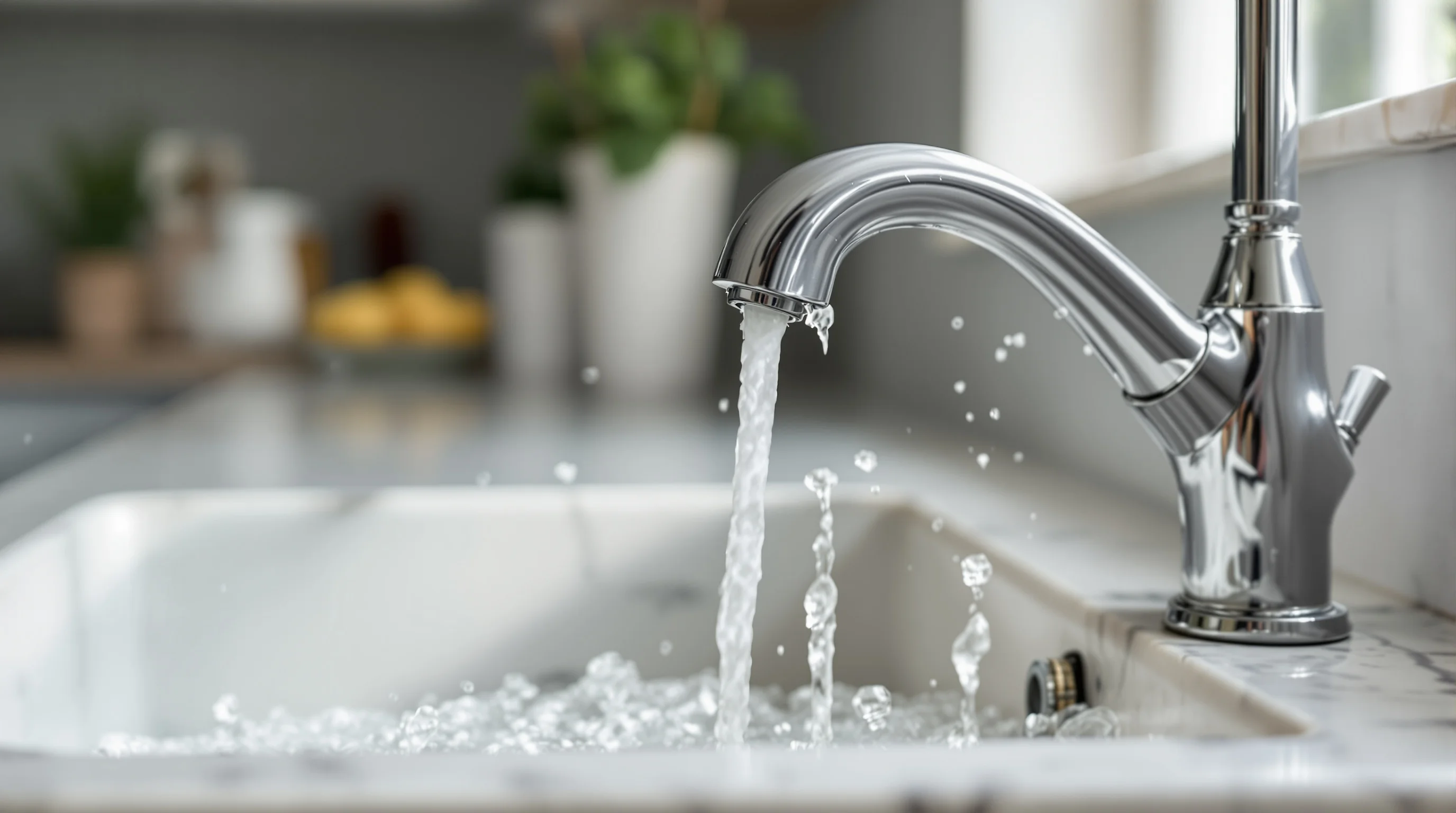
You turn on the kitchen faucet and get hit with a smell that stops you cold. Rotten eggs. Sulfur. Like something died in your pipes. If you own a well in Bamberg County, you know exactly what we are talking about.
Good news: that smell is not a health emergency in most cases. But it is a sign that something needs fixing — and the fix is usually straightforward once you understand what is causing it.
What Causes the Rotten Egg Smell?
The smell comes from hydrogen sulfide gas (H2S). It is produced when sulfur bacteria break down organic matter in your well water, or when certain chemical reactions happen inside your water heater. In the Bamberg area, the main culprit is usually the aquifer itself — our groundwater here passes through layers of shale and sedimentary rock that contain sulfur compounds.
Hydrogen sulfide is corrosive. Over time, it eats away at copper pipes, brass fittings, and stainless steel appliances. It also tarnishes silverware and leaves yellow or black stains on fixtures. Even at low concentrations, that odor is enough to make you avoid drinking your own tap water.
Is It Dangerous?
At the levels typically found in Bamberg County well water, hydrogen sulfide is not acutely toxic. But the presence of sulfur bacteria can indicate other issues in your well — including possible coliform contamination. If you smell sulfur, you should also test for bacteria.
Three Ways to Fix It
1. Chlorination or Shock Treatment
If the smell only develops after water sits in the pipes for a while (first draw in the morning, or after returning from vacation), you may have sulfur bacteria growing inside your plumbing. A one-time chlorine shock treatment of your well can kill the bacteria. This costs $200 to $500 and lasts six months to a year.
2. An Oxidizing Filter
For persistent sulfur smells, an oxidizing filter is the standard solution. Water flows through media (greensand, Birm, or catalytic carbon) that converts dissolved hydrogen sulfide into solid sulfur particles that get filtered out. These systems cost $800 to $2,500 installed and also remove iron and manganese.
3. Aeration Treatment
For high levels of hydrogen sulfide (above 2-3 mg/L), aeration is the most effective approach. Water is sprayed into a tank, allowing the gas to escape before water moves into your plumbing. Aeration systems cost $2,000 to $4,500 but handle the worst cases and improve water taste.
Check Your Water Heater
If only your hot water smells like sulfur, the problem is inside your water heater. The anode rod can react with sulfates in the water to produce hydrogen sulfide gas. Replacing the standard magnesium rod with an aluminum-zinc rod usually solves it. Any plumber can do this in about an hour for $150 to $300.
Free Water Test — No Strings
Schedule your free in-home water test today. We'll tell you exactly what's in your water.
(803) 855-1055
Schedule Free TestWell Water Problems
- Sulfur / Rotten Egg
- Iron Stains
- Hard Water
- Sediment