Well Water Bacteria Treatment: Coliform Testing, Health Risks & Solutions for South Carolina
If your well water tests positive for coliform bacteria, you need fast, effective treatment. In South Carolina's Orangeburg County, where over 60% of homes rely on private wells, bacterial contamination is a real concern — especially after heavy rains or flooding. This complete guide covers everything you need to know about well water bacteria treatment, from coliform testing and health risks to UV disinfection, chlorination, and ongoing maintenance. Dubya Water serves Orangeburg, Rowesville, Cordova, Bowman, Elloree, Branchville, Denmark, Bamberg, Cope, and Norway, SC with free water testing and professional bacteria treatment solutions.
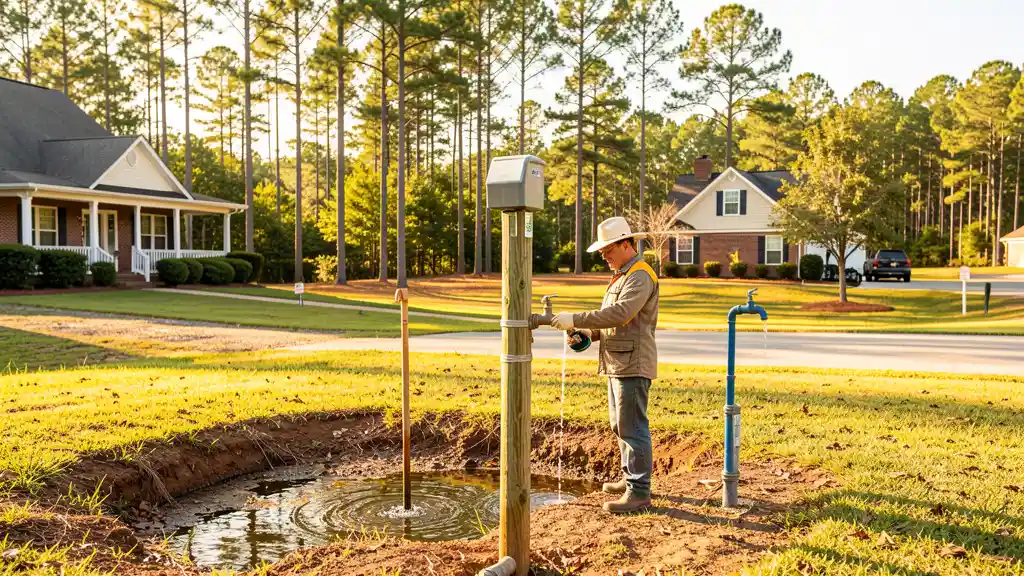
What Types of Bacteria Are Found in Well Water in South Carolina?
The most common bacteria found in private wells across South Carolina include total coliform bacteria, E. coli, and fecal coliform. Total coliform bacteria are naturally present in the environment — soil, vegetation, and surface water — and their presence usually indicates that surface water is seeping into your well. E. coli is a more serious finding: it comes from human or animal waste and signals a direct health risk. In Orangeburg County, where many homes rely on shallow wells in sandy coastal plain soils, the risk of bacterial contamination increases after heavy rain, flooding, or well damage.
Other bacteria sometimes found in SC well water include iron bacteria (which cause reddish-brown slime in toilet tanks and pipes) and sulfate-reducing bacteria (which produce that rotten-egg smell). While less dangerous than coliform, these bacteria can damage plumbing and reduce water quality. A professional well water test in Orangeburg SC identifies exactly which bacteria are present so you can choose the right treatment.
Well owners in Cordova and Bowman should test their water at least once a year for bacteria, and more frequently if they notice changes in taste, smell, or appearance. The South Carolina Department of Health and Environmental Control (DHEC) recommends annual bacteria testing for all private wells.
How Do I Test My Well Water for Coliform Bacteria?
Testing for coliform bacteria in well water requires a laboratory analysis — home test strips are not reliable for bacterial detection. The standard test is the total coliform/E. coli test (also called a "coliform presence/absence test"), which costs $25 to $50 at certified labs in South Carolina. Dubya Water offers free on-site water testing for Orangeburg County residents, including bacteria screening as part of a comprehensive water quality analysis.
The testing process is simple: a clean, sterile sample bottle is filled from a faucet that has been sanitized with alcohol. The sample must be kept cool and delivered to the lab within 24 hours. Results typically take 24 to 48 hours. If coliform is detected, the lab will also test for E. coli to determine the severity of contamination.
For homeowners in Elloree, Branchville, and Denmark, Dubya Water can collect samples during a free consultation and have them analyzed at a certified SC laboratory. This is especially important after heavy rains, which can wash surface contaminants into groundwater — a common issue in the Edisto River basin area.
What Causes Coliform Bacteria in Well Water?
Coliform bacteria enter well water through several pathways, all related to surface water contamination. The most common causes in South Carolina include:
1. Flooding and heavy rainfall. When the water table rises, surface water carrying bacteria can seep into the well through cracks in the casing or unsealed well caps. The Midlands region of SC is particularly vulnerable during hurricane season (June through November).
2. Faulty well construction. Wells with cracked casings, missing or damaged caps, or improper grouting allow surface water to enter directly. A well inspection by a licensed contractor can identify these structural issues.
3. Proximity to septic systems. In rural Orangeburg County, many homes have both a private well and a septic system. If the septic system is too close to the well (less than 50 feet), or if the septic tank is leaking, bacteria can migrate into the groundwater.
4. Animal waste near the wellhead. Livestock, pets, or wildlife near the well can introduce bacteria through surface runoff. Well owners in Bamberg and Cope with agricultural properties should ensure a 100-foot buffer zone between the well and animal areas.
Identifying the source of contamination is the first step in choosing the right water treatment system for your Orangeburg SC home. A professional site assessment can pinpoint the entry point and recommend both structural repairs and treatment solutions.
What Are the Health Risks of Coliform Bacteria in Well Water?
Coliform bacteria themselves are not typically harmful — they are used as indicator organisms. However, their presence means that disease-causing pathogens (viruses, parasites, and harmful bacteria) could also be in your water. E. coli, a specific type of coliform, causes gastrointestinal illness including diarrhea, cramps, nausea, and vomiting. Children, elderly adults, and people with weakened immune systems are at highest risk.
In South Carolina, the most common waterborne illness linked to contaminated well water is acute gastroenteritis, which causes an estimated 10,000 to 20,000 cases annually across the state, according to DHEC estimates. Other potential pathogens found in SC well water include Cryptosporidium, Giardia, and Hepatitis A — all of which require professional treatment to remove. If you or your family members experience unexplained stomach issues, especially after drinking tap water, testing your well for bacteria should be your first step.
What Are the Best Well Water Bacteria Treatment Options?
There are three primary treatment methods for bacteria in well water, each with different strengths and ideal use cases. The right choice depends on your water chemistry, the type of bacteria present, and whether you need ongoing disinfection or occasional shock treatment.
1. UV Disinfection — The Gold Standard for Continuous Treatment
Ultraviolet (UV) disinfection uses UV-C light to destroy the DNA of bacteria, viruses, and parasites, rendering them unable to reproduce. It is the most popular well water bacteria treatment for South Carolina homes because it requires no chemicals, adds nothing to the water, and is highly effective (99.99% kill rate) against all pathogens. A UV system is installed at the point of entry (where water enters the home) and treats all water used in the house. The system requires electricity and the UV lamp must be replaced annually. For homes in Norway and surrounding areas, a UV system combined with pre-filtration (sediment and carbon) provides complete, chemical-free protection against bacteria.
2. Chlorine Injection — Affordable and Provides Residual Protection
Chlorine injection (also called chlorination) injects a small, measured amount of chlorine into the water supply to kill bacteria. Unlike UV, chlorine provides residual disinfection — it continues working throughout the plumbing system, preventing recontamination. A contact tank is required to give the chlorine enough time to work before the water reaches the taps. Chlorine injection systems are more affordable upfront than UV systems and are excellent for wells with persistent bacterial issues. However, some homeowners dislike the taste of chlorinated water, so a carbon filter is typically installed after the chlorine injection to remove residual chlorine taste and odor.
3. Ozone Treatment — Powerful but More Expensive
Ozone is a powerful oxidant that kills bacteria, viruses, and cysts instantly. It is the most powerful chemical-free disinfection method available, but ozone systems are more expensive to purchase and maintain than UV or chlorine systems. Ozone is generated on-site using electricity and breaks down into oxygen, leaving no chemical residue. It is best suited for homes with severe bacterial contamination or for homeowners who want the highest level of treatment available.
How Much Does Well Water Bacteria Treatment Cost in South Carolina?
The cost of well water bacteria treatment in South Carolina varies by the method chosen and the complexity of installation. Here is a general price range for each system type:
UV Disinfection System: $800 to $2,500 installed, plus $50 to $100 per year for lamp replacement. Most Orangeburg County homeowners choose UV for its low maintenance and chemical-free operation.
Chlorine Injection System: $600 to $1,800 installed, plus ongoing chemical costs of $100 to $200 per year. A carbon filter for taste and odor removal adds $200 to $500.
Ozone Treatment System: $2,000 to $4,500 installed, with minimal maintenance costs. Best for large homes or properties with severe contamination.
Shock Chlorination (One-Time Treatment): $150 to $400 for a professional shock treatment, which involves pouring a high concentration of chlorine directly into the well. This is a temporary solution and may need to be repeated if the source of contamination is not addressed.
Dubya Water offers free on-site estimates for all bacteria treatment systems, including a comprehensive water test to determine the exact treatment needed for your home. We serve the entire Orangeburg County area, including Rowesville, Cordova, Bowman, Elloree, Branchville, Denmark, and Bamberg.
Does Shock Chlorination Permanently Fix Well Water Bacteria?
Shock chlorination is a temporary fix, not a permanent solution. It involves adding a high concentration of chlorine (typically 50 to 200 parts per million) directly into the well, circulating it through the plumbing system, and then flushing it out. This kills existing bacteria but does not prevent new contamination. If the source of the bacteria — such as a cracked well casing or a leaking septic system — is not addressed, the bacteria will return within a few weeks to months. Permanent well water bacteria treatment requires a continuous disinfection system (UV, chlorination, or ozone) installed at the point of entry.
How Do I Maintain My Well Water Bacteria Treatment System?
Proper maintenance ensures your bacteria treatment system continues to protect your family. For UV systems, replace the UV lamp annually and clean the quartz sleeve every 6 to 12 months. For chlorine injection systems, refill the chlorine reservoir monthly and replace the injection pump every 2 to 3 years. For ozone systems, replace the ozone generator's air filter annually and check the ozone output every 6 months. Regardless of your system, test your well water for bacteria at least once a year to confirm the treatment is working.
Dubya Water offers annual maintenance plans for all bacteria treatment systems, including lamp replacement, system inspection, and water testing. We serve Orangeburg, Rowesville, Cordova, Bowman, Elloree, Branchville, Denmark, Bamberg, Cope, and Norway, SC.
What About "Well Water Bacteria Treatment Near Me" in South Carolina?
If you searched "well water bacteria treatment near me" in South Carolina, Dubya Water is your local expert. Unlike national water treatment companies that ship DIY kits, we provide on-site water testing, professional system installation, and ongoing maintenance for homes throughout Orangeburg County. Our technicians live and work in the communities we serve — Orangeburg, Rowesville, Cordova, Bowman, Elloree, Branchville, Denmark, Bamberg, Cope, and Norway, SC. We understand local well conditions, including the sandy soils, high water tables, and seasonal flooding that contribute to bacterial contamination in this region. Contact us today for a free water test and consultation.
Frequently Asked Questions About Well Water Bacteria Treatment
How do I know if my well water has coliform bacteria?
The only way to confirm coliform bacteria in well water is through a laboratory test. Homeowners in Orangeburg SC can request a free bacteria screening from Dubya Water. Symptoms like unexplained stomach illness, musty or earthy tastes, or greenish stains can indicate bacterial issues, but only a lab test provides a definitive answer.
Can I boil my well water to kill bacteria permanently?
Boiling kills bacteria in water temporarily, but it is not a permanent solution. Once the water cools, it can be recontaminated. Boiling is recommended only as an emergency measure during boil-water advisories. For permanent well water bacteria treatment, install a UV disinfection or chlorination system at the point of entry.
How often should I test my well water for bacteria in SC?
The South Carolina DHEC recommends testing private wells for coliform bacteria at least once per year. Homeowners in Orangeburg County should test more frequently — every 6 months — if they have a shallow well, live near agricultural areas, or have experienced flooding. Dubya Water offers free annual bacteria testing for all customers.
What is the best well water bacteria treatment for SC homes?
UV disinfection is the most popular choice for South Carolina homeowners because it is chemical-free, highly effective (99.99% kill rate), and low-maintenance. Chlorine injection is a good alternative for homes with persistent contamination or those needing residual disinfection throughout the plumbing system. The best choice depends on your specific water chemistry and contamination level.
Does a water softener remove bacteria from well water?
No, a water softener does not remove bacteria. Water softeners use ion exchange to remove calcium and magnesium (hardness minerals), not microorganisms. You need a dedicated disinfection system — UV, chlorination, or ozone — for bacteria removal. Many Orangeburg County homes install both a water softener and a UV system for complete water treatment.
How much does well water bacteria treatment cost in Orangeburg SC?
Professional well water bacteria treatment systems in Orangeburg SC range from $600 to $4,500 installed, depending on the method. UV systems average $1,200 to $2,500, chlorine injection systems $600 to $1,800, and ozone systems $2,000 to $4,500. Dubya Water offers free on-site estimates and flexible financing options.
Can well water bacteria cause long-term health problems?
Yes, certain bacteria in well water can cause serious long-term health issues if consumed over time. E. coli and other pathogens can cause chronic gastrointestinal problems, and immunocompromised individuals face higher risks. Hepatitis A and Cryptosporidium can cause severe illness requiring hospitalization. This is why prompt well water bacteria treatment is essential for any home with a contaminated well.