Sediment in Well Water: Causes, Solutions & Complete Filter Guide for South Carolina Homes
Published July 22, 2026 • By Dubya Water
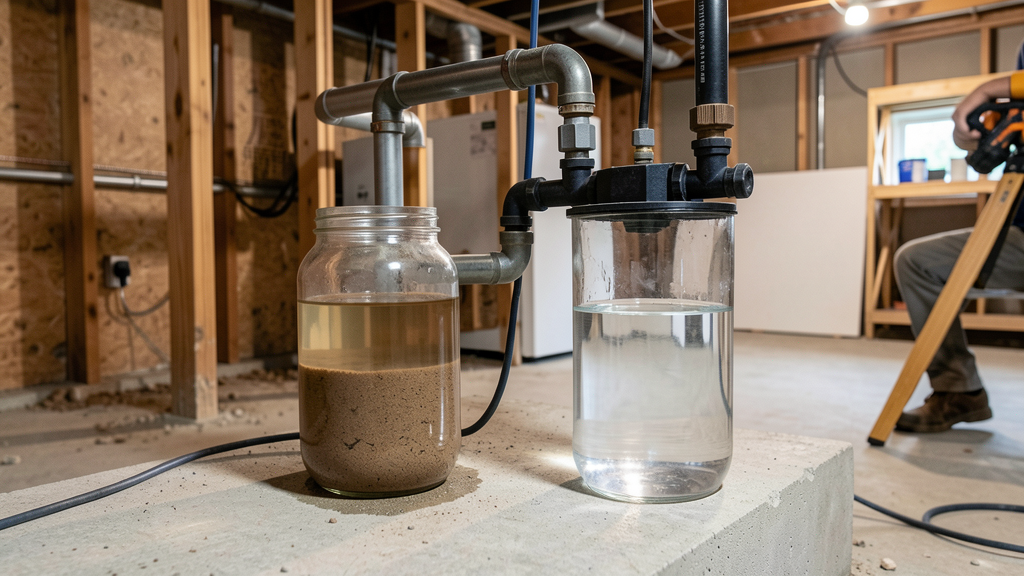
Sediment in well water is typically caused by sand, silt, clay, rust particles, or mineral precipitates entering your water supply from the aquifer, deteriorating well components, or disturbances in the groundwater system. In the South Carolina Midlands, where wells tap into the Coastal Plain aquifer system, sediment is one of the most common well water complaints — and the good news is that it is almost always fixable with the right filtration approach. This complete guide covers everything Orangeburg SC homeowners need to know about diagnosing sediment problems, choosing the right filter, and getting back to clean, clear water.
What Causes Sediment in Well Water?
Sediment in your well water can come from several sources. The most common causes in the South Carolina Midlands region include:
- Sand and silt from the aquifer: The Coastal Plain aquifer that serves Orangeburg SC and surrounding areas consists of sand, clay, and sedimentary rock formations. As water moves through these layers, fine sand and silt particles can enter your well, especially after heavy rainfall or seasonal water table changes.
- Deteriorating well screen: The well screen at the bottom of your well casing prevents large particles from entering. Over time, this screen can corrode, develop holes, or become damaged, allowing sand and sediment to flow freely into your water supply.
- Pump problems: A pump that is set too close to the bottom of the well or is oversized for the well's yield can draw in sediment that would otherwise settle. A malfunctioning pump may also agitate the water column, stirring up debris.
- Rust and iron particles: In areas with iron-rich groundwater like Cordova SC and Bowman SC, oxidized iron (rust) can appear as reddish-brown sediment. This is technically iron, not sand, but it behaves like sediment and requires similar filtration.
- Mineral precipitates: Calcium carbonate (hard water scale) can form tiny white particles that look like sediment. Manganese can also precipitate as black or dark brown particles.
- New well or recent maintenance: After a new well is drilled or an existing well is serviced, sediment is common for a few weeks as the system settles. If it persists beyond a month, filtration is needed.
Homeowners in Rowesville SC and Denmark SC should be especially aware of seasonal sediment changes — spring rains and summer droughts can both affect sediment levels in the local aquifer.
How Does Sediment Affect Your Home and Health?
While most sediment in well water is not directly harmful to drink, it causes significant problems for your home's plumbing, appliances, and water quality. Understanding these impacts helps you prioritize the right solution:
- Damage to water heaters and appliances: Sediment acts like sandpaper inside your pipes and appliances. Water heaters are especially vulnerable — sediment builds up at the bottom of the tank, reducing efficiency by 30-50% and significantly shortening the unit's lifespan. In Elloree SC, where many homes have aging water heaters, this is a common and costly problem.
- Clogged fixtures and low water pressure: Sediment clogs faucet aerators, showerheads, and washing machine inlet screens. This reduces water pressure throughout your home and requires frequent cleaning of fixtures.
- Cloudy or discolored water: Visible sediment makes your water look unappealing and can stain sinks, tubs, and laundry. While not a health risk, it affects your quality of life and can make guests question your water quality.
- Bacteria harboring: Sediment particles can provide surface area for bacteria to grow. If you have sediment AND bacteria in your well water, the sediment needs to be removed first before disinfection can be effective.
- Interference with other treatment: Sediment must be removed before other water treatment systems (water softeners, iron filters, RO systems) can work properly. Running sediment through a water softener or RO system quickly damages the equipment.
If you live in Bamberg SC or Branchville SC and notice any of these signs, professional water testing is the first step toward a solution.
How to Test for Sediment in Well Water
Before choosing a filter, you need to know exactly what type of sediment you are dealing with. Professional testing by Dubya Water's well water testing service identifies not just the presence of sediment but its composition, particle size, and source:
- Visual inspection: Fill a clear glass with water and let it sit for 24 hours. If particles settle at the bottom, you have sediment. If the water is clear initially but turns cloudy after sitting, you may have dissolved iron or manganese that oxidizes on contact with air.
- Particle size analysis: A simple test using a series of filters (100 micron, 50 micron, 20 micron, 5 micron) reveals the size range of your sediment particles. This determines the micron rating your filter needs.
- Professional lab test: Dubya Water's free on-site testing analyzes your water for total suspended solids (TSS), turbidity, iron, manganese, hardness, pH, and bacteria. This comprehensive picture ensures you install the right equipment the first time.
- Seasonal variation check: Sediment levels can vary with rainfall and water table changes. Testing at different times of year (spring and fall) gives a complete picture of your water quality.
If you live in Cope SC or Norway SC, call (803) 855-1055 to schedule your free water test and get expert recommendations for your specific water conditions.
What Are the Best Sediment Filter Solutions for Well Water?
The right filtration system depends on the type and amount of sediment in your water. Here are the most effective options for Orangeburg County well water:
Whole-House Sediment Filters (Best for General Sediment)
A whole-house sediment filter installs at the main water line, typically right after the pressure tank. These filters use replaceable cartridges rated by micron size. For most Orangeburg SC homes with well water, a 20-micron filter catches visible sediment, while a 5-micron filter handles finer particles. The downside: cartridges need replacement every 1-6 months depending on sediment load.
Spin-Down Sediment Filters (Best for Sand and Heavy Sediment)
Spin-down filters use centrifugal force to separate heavy particles (sand, gravel) into a clear collection chamber at the bottom. You simply open a valve to flush the collected sediment. These are ideal for Cordova SC and Rowesville SC homes where sand is the primary concern. They require no replacement cartridges — just periodic flushing.
Backwashing Sediment Filters (Best for High Sediment Loads)
Backwashing filters use a bed of filter media (such as garnet, sand, or multimedia) that automatically cleans itself through periodic backwash cycles. These handle high sediment loads with minimal maintenance and are the best choice for well water with persistent, heavy sediment issues. They also don't require cartridge replacement, just annual media checks.
Combination Systems (Best for Sediment + Other Issues)
Many Bamberg SC and Branchville SC homes need more than just sediment filtration. If your water also has iron, hardness, or sulfur, a combination system that layers sediment filtration with iron removal or water softening provides complete treatment in a single integrated setup.
When Does Your Well Itself Need Repair?
Sometimes filtration alone is not enough. If your well water suddenly has significantly more sediment, or if you are replacing sediment filter cartridges every week, the well itself may need professional attention. Signs that your well needs repair or rehabilitation include:
- Sudden increase in sediment: A well that was producing clear water suddenly starts pumping sand or mud. This often indicates a collapsed well screen, a cracked casing, or a pump sitting too low.
- Sand in the water: Fine sand or grit that appears consistently, not just after heavy rain. This usually means the well screen has deteriorated.
- Mud or clay in the water: Thick, muddy water suggests the well casing has been compromised or the well was not properly developed.
- Decreased well yield: Less water coming from the well combined with more sediment can indicate the well is silting in — a serious problem requiring professional rehabilitation.
If you suspect well damage, stop using the water for drinking and contact a licensed well contractor immediately. Dubya Water can help diagnose the problem and recommend the right solution, whether it's well repair or a filtration upgrade.
How Much Does Sediment Filtration Cost for SC Homes?
For Orangeburg County homeowners, typical installed pricing from Dubya Water:
- Basic whole-house sediment filter (cartridge type): $300 - $800 installed, includes housing and first cartridge. Replacement cartridges $20-40 each.
- Spin-down sediment filter: $400 - $900 installed, no ongoing cartridge costs. Flush manually every 2-4 weeks.
- Backwashing sediment filter: $1,200 - $2,800 installed, depending on flow rate and media type. Minimal maintenance, 10-year warranty on parts.
- Combination sediment + iron filter: $1,800 - $3,500 installed, treats sediment and iron simultaneously.
- Complete treatment system (sediment + softening + iron): $3,000 - $6,000 installed, free water test included.
All Dubya Water systems include professional installation, a 10-year warranty on parts, and ongoing support. Financing is available for qualified homeowners.
Frequently Asked Questions About Sediment in Well Water
Is sediment in well water dangerous to drink?
Most sediment consists of harmless sand, silt, or mineral particles that are not toxic. However, sediment can harbor bacteria, and it makes water unpleasant to drink. The bigger concern is the damage sediment causes to your plumbing and appliances. Professional testing is the only way to confirm your water is safe.
What micron filter do I need for well water sediment?
For most well water sediment, a 20-micron or 30-micron filter is the right starting point. These catch visible sediment without clogging too quickly. If you have very fine sediment (silt or clay), you may need a 5-micron filter, but expect more frequent cartridge changes. A professional water test helps determine the optimal micron rating for your specific sediment.
Why did my well water suddenly become cloudy with sediment?
Sudden sediment increases usually mean something changed in your well system. Common causes include: a pump that has dropped closer to the bottom of the well, a deteriorating well screen, nearby construction or drilling, heavy rainfall raising the water table, or a water main break in municipal systems. If you experience sudden sediment in Orangeburg County, call Dubya Water for immediate testing.
Can sediment damage my water heater?
Yes, sediment is one of the leading causes of premature water heater failure. Sediment accumulates at the bottom of the tank, creating a layer that insulates the water from the heating element. This forces the water heater to work harder, uses more energy, and can cause the tank to overheat and crack. Flushing your water heater annually and installing a whole-house sediment filter are the best preventive measures.
Do I need a water softener if I have sediment in my well water?
Not necessarily. Sediment and hard water are separate problems. A sediment filter removes particles, while a water softener removes dissolved calcium and magnesium. Many Orangeburg County homes need both, but the sediment filter should always be installed first to protect the water softener from clogging. A free water test will tell you exactly what treatment your home needs.
How often should I change my sediment filter?
Cartridge-type sediment filters typically need replacement every 3-6 months, but this varies widely based on your sediment levels. The best indicator is water pressure — when you notice decreased flow at faucets, it is time to change the filter. Homes with heavy sediment may need monthly changes, while those with light sediment may go 6-9 months between changes.
Get Your Well Water Tested — Free — in Orangeburg SC
Not sure what is causing the sediment in your well water? Dubya Water offers free on-site water testing for homeowners in Orangeburg, Rowesville, Cordova, Bowman, Elloree, Branchville, Denmark, Bamberg, Cope, Norway, and all communities within 50 miles of Rowesville, SC.
Our certified technicians test for total suspended solids, turbidity, iron, hardness, pH, manganese, sulfur, and bacteria — and recommend the exact filtration system your home needs. Every system comes with a 10-year warranty and professional installation.