Best Water Softener for Well Water in South Carolina: Complete Buyer's Guide
By Dubya Water | June 21, 2026 | 8 min read
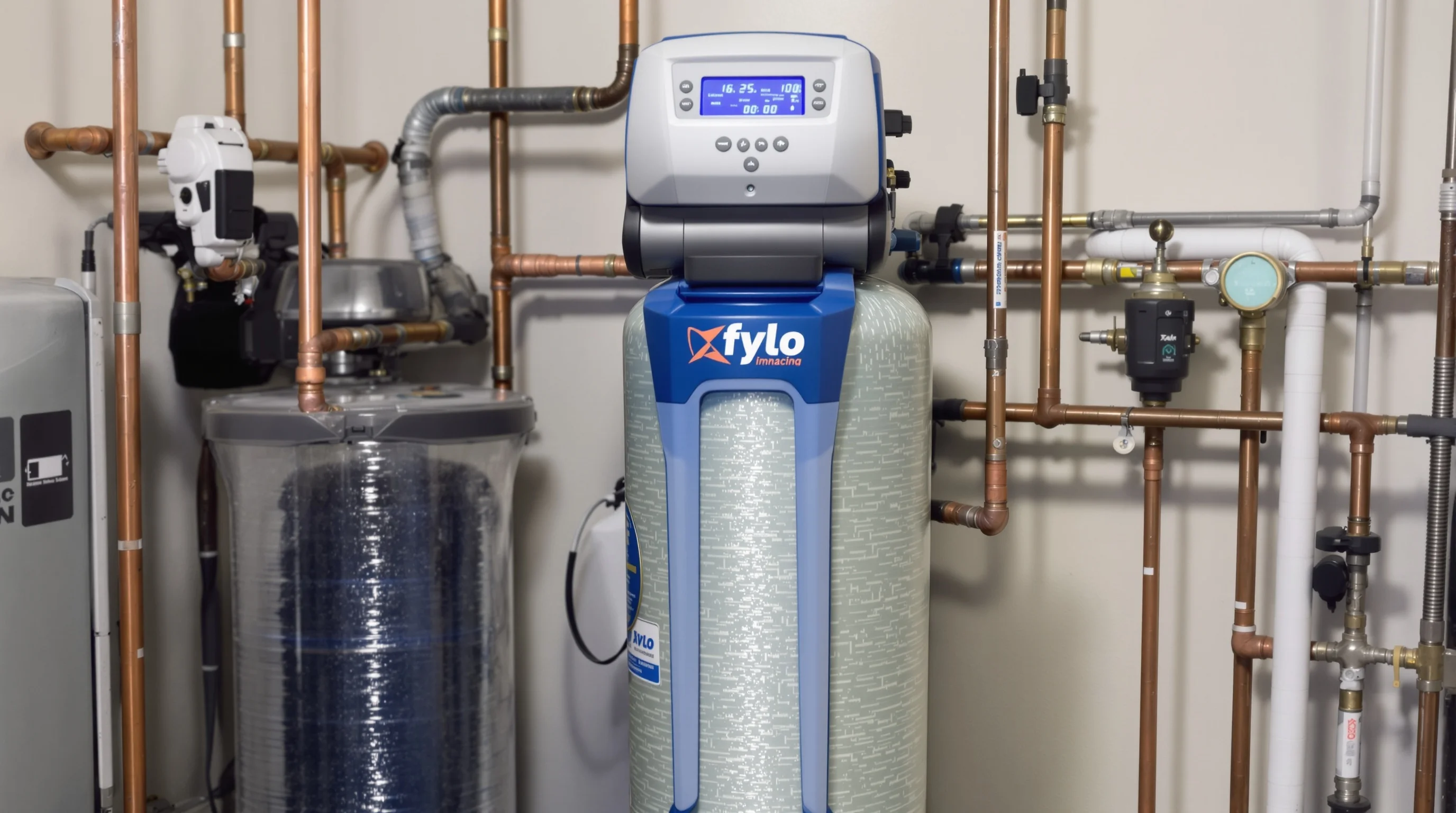
If you have well water in South Carolina, you already know the struggle — hard water scale, iron stains, sulfur smells, or all of the above. Choosing the right water softener for well water isn't as simple as picking the cheapest model at the big box store. Your well water chemistry is unique, and the wrong system won't fix your problems.
This buyer's guide covers everything you need to know to choose the best water softener for your South Carolina well water.
Do You Really Need a Water Softener for Well Water?
Short answer: almost certainly yes. South Carolina well water is naturally hard, with most areas testing between 5-15 grains per gallon (GPG). Here's what that means for your home:
- Scale buildup on fixtures, water heater elements, and appliances
- Dry skin and brittle hair from mineral deposits
- Spotty dishes and glassware that look cloudy even after washing
- Reduced appliance lifespan — water heaters, dishwashers, and washing machines fail sooner with hard water
- Higher energy bills — just 1/8 inch of scale reduces water heater efficiency by 25%
Types of Water Softeners for Well Water
1. Salt-Based Ion Exchange Softeners
Best for: Most SC homes with hard well water and iron under 5 ppm
- How it works: Resin beads attract calcium and magnesium ions and exchange them for sodium
- Cost: $800-$2,500 installed
- Pros: Most effective at removing hardness; well-proven technology; handles moderate iron
- Cons: Requires salt refills; adds sodium to water (minimal); produces wastewater during regeneration
2. Salt-Free Water Conditioners
Best for: Homes where sodium intake is a concern or where drain access is limited
- How it works: Template-assisted crystallization (TAC) — changes mineral structure so they don't stick to surfaces
- Cost: $1,000-$3,000 installed
- Pros: No salt needed; no wastewater; low maintenance
- Cons: Doesn't actually remove hardness minerals; less effective for very hard water (>12 GPG)
3. Dual-Tank Softeners
Best for: Large families, high water usage, or commercial applications
- How it works: Two resin tanks alternate so soft water is always available — no regeneration downtime
- Cost: $2,000-$4,000 installed
- Pros: Unlimited soft water; ideal for 4+ bathrooms or heavy usage
- Cons: Higher upfront cost; takes up more space
South Carolina Well Water: What Makes It Different?
SC well water presents unique challenges that your choice of softener must address:
- Iron: Most SC wells have 1-10 ppm of iron. Above 1 ppm, you need a softener specifically rated for iron removal (often combined with a separate iron filter)
- pH: SC groundwater tends to be slightly acidic (pH 5.5-6.5), which can corrode plumbing and reduce softener effectiveness
- Sulfur: Many wells in Orangeburg, Bamberg, and Colleton counties have hydrogen sulfide gas — that rotten egg smell. A standard softener won't fix this alone
- Sediment: Sand and silt are common in shallow SC wells — pre-filtration is essential
Why Professional Water Testing Matters
You can't pick the right softener without knowing exactly what's in your water. A professional test measures:
- Hardness (GPG)
- Iron content (ppm) and type (ferrous, ferric, or bacterial)
- pH level
- Manganese
- TDS (Total Dissolved Solids)
- Sulfur/hydrogen sulfide
- Bacteria (coliform)
Get a free professional water test from Dubya Water — call (803) 855-1055. We test for iron, hardness, pH, sulfur, and more before recommending any equipment.
Our Recommendation for SC Well Water
For most South Carolina homes with well water, we recommend a salt-based ion exchange softener paired with a pre-filter and, if needed, a separate iron filter or pH neutralizer. This combination handles the full range of SC well water issues and comes with our 10-year warranty.
Call (803) 855-1055 for a Free Estimate
Serving Rowesville, Orangeburg, Columbia, Summerville, and all of the SC Midlands.