




5 Warning Signs Your Well Water Needs Testing in Cordova, SC
By Dubya Water Treatment | April 7, 2026 | 8 min read
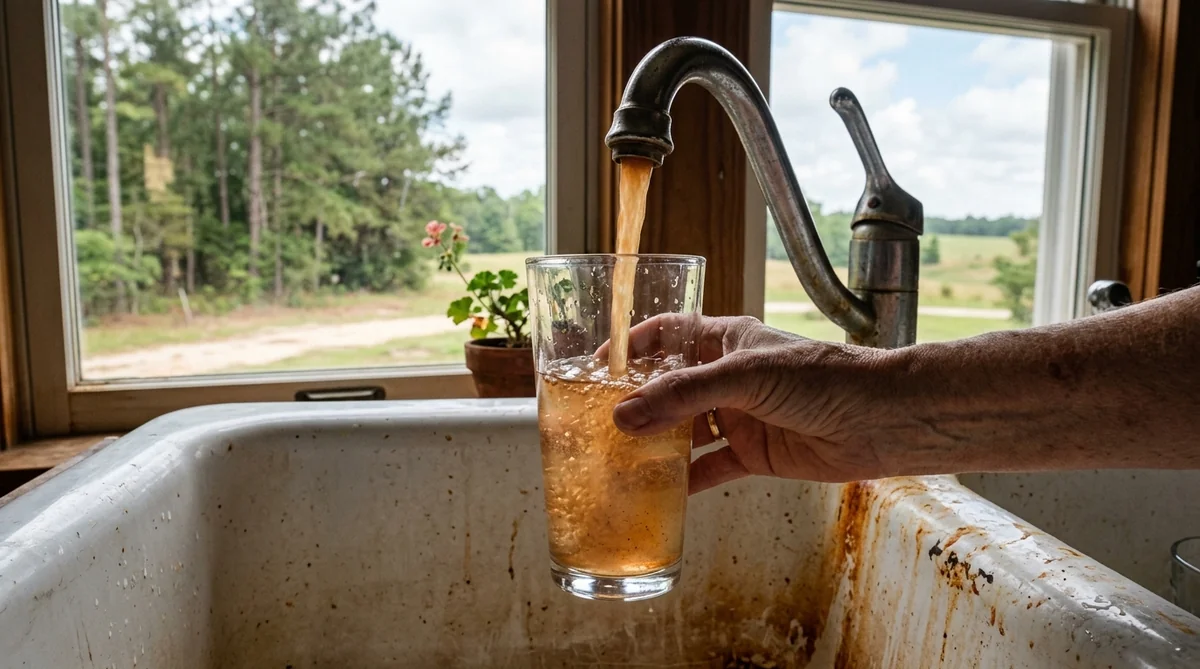
If you notice rusty stains on fixtures, unusual odors or tastes, sudden changes in water clarity, digestive issues after drinking water, or failing appliances in your Cordova home, your well water needs immediate testing to protect your family's health and property.
Rusty or Brown Stains Appearing on Sinks and Fixtures
One of the most visible signs that your well water needs testing is the appearance of reddish-brown or orange stains on your sinks, bathtubs, toilets, and laundry. This discoloration typically indicates elevated iron or manganese levels in your water supply, a common issue in Orangeburg County wells due to our region's geology and aquifer composition.
While iron in water isn't always a health hazard at low concentrations, it creates persistent staining problems and can harbor iron bacteria that produce slimy biofilms in your plumbing system. Many Cordova homeowners mistake these stains for simple hard water deposits, but they often signal deeper water quality issues that require professional analysis.
The good news is that Dubya Water Treatment offers free water testing before any sale, so you can know exactly what's in your well water without any financial commitment. Our technicians can identify whether you're dealing with iron, manganese, or other contaminants causing those stubborn stains throughout your home.
Foul Odors or Unpleasant Tastes in Your Drinking Water
If your well water smells like rotten eggs, has a metallic taste, or carries an earthy or musty odor, these are clear warning signs that testing is overdue. Different smells indicate different problems: hydrogen sulfide gas creates that distinctive rotten egg smell, while metallic tastes often point to excessive iron, copper, or manganese.
In Cordova and throughout Orangeburg County, sulfur odors are particularly common due to naturally occurring bacteria in groundwater that produce hydrogen sulfide. While not always dangerous at low levels, these bacteria can accelerate corrosion in your plumbing and water heater, leading to costly repairs down the line.
Chlorine or chemical odors might indicate contamination from agricultural runoff or septic system issues—concerns that are especially relevant in our rural Cordova community where many properties rely on private wells and septic systems in close proximity. Don't ignore these sensory warnings; they're your first line of defense in identifying water quality problems.
Sudden Changes in Water Clarity or Sediment Buildup
Clear water that suddenly turns cloudy, murky, or shows visible particles floating in your glass is a red flag that demands immediate testing. This change in water clarity can result from several issues, including disturbances in your well, changes in the water table, or contamination from surface water entering your well system.
Cordova residents should be particularly vigilant after heavy rainfall or flooding events, which aren't uncommon in Orangeburg County. These weather events can cause sediment to enter well systems through compromised well caps or casings, or allow surface contaminants to seep into groundwater supplies.
Sediment buildup in toilet tanks, water heaters, or at the bottom of drinking glasses indicates that particulate matter is making it through your well system. This sediment might contain sand, clay, rust particles, or even bacterial colonies. Ready to find out what's really in your water? Call Dubya Water Treatment at (803) 855-1055 to schedule your complimentary water test today.
Unexplained Digestive Issues or Health Concerns
When family members experience recurring stomach problems, nausea, or digestive issues that can't be traced to other causes, contaminated well water may be the culprit. Harmful bacteria like E. coli, coliform bacteria, parasites, and other pathogens can enter well systems through various pathways and cause serious health problems.
Private well owners in Cordova are solely responsible for their water quality—unlike municipal water systems, no government agency regularly monitors your well. This makes proactive testing absolutely essential, especially if you have infants, elderly family members, or anyone with compromised immune systems in your household.
Nitrate contamination is another serious concern in agricultural areas of Orangeburg County. High nitrate levels are particularly dangerous for infants and can cause "blue baby syndrome." Since nitrates are colorless, odorless, and tasteless, the only way to detect them is through professional water testing.
Failing Appliances and Corroded Plumbing
If your water heater, dishwasher, or washing machine seems to fail prematurely, or you're constantly dealing with pinhole leaks in copper pipes, your well water chemistry is likely to blame. Corrosive water with improper pH levels or high mineral content can dramatically shorten the lifespan of plumbing fixtures and water-using appliances.
Many Cordova homeowners don't realize that investing hundreds or thousands of dollars in new appliances won't solve the underlying problem if water quality issues remain unaddressed. Acidic water (low pH) is especially aggressive toward copper and brass fixtures, while hard water causes scale buildup that reduces efficiency and leads to premature failure.
At Dubya Water Treatment, we back our water treatment solutions with a 10-year warranty because we're confident in both our products and our approach. We start every customer relationship with free water testing—never pushing a sale before we understand your specific water challenges. This honest approach has made us a trusted name throughout Orangeburg County.
Taking Action to Protect Your Cordova Home
Well water testing isn't just about addressing current problems—it's about preventing future issues before they damage your property or harm your family's health. The South Carolina Department of Health and Environmental Control recommends annual testing for bacteria and nitrates at minimum, with additional testing for other contaminants every three to five years or whenever you notice changes in water quality.
For Cordova residents, local factors make regular testing even more important. Our proximity to agricultural operations, the prevalence of older wells in the area, and the natural geology of Orangeburg County all contribute to potential water quality challenges unique to our community. Your well might have tested fine five years ago, but conditions change—new contamination sources can develop, well components deteriorate, and aquifer characteristics shift over time.
Professional water testing provides a complete picture of what's in your water, measuring everything from basic parameters like pH and hardness to potentially harmful contaminants including heavy metals, bacteria, volatile organic compounds, and more. With this information, you can make informed decisions about the right treatment solutions for your specific situation.
Frequently Asked Questions
How often should I test my well water in Cordova, SC?
You should test your well water at least once per year for bacteria and nitrates, with more comprehensive testing every 3-5 years. Additionally, test immediately if you notice any changes in taste, odor, appearance, or if there's been flooding, nearby construction, or changes in land use near your property.
What contaminants are most common in Orangeburg County well water?
The most common issues in Orangeburg County wells include iron, manganese, sulfur bacteria (causing rotten egg smell), hard water minerals, low pH (acidic water), and occasionally nitrates from agricultural areas. Bacteria contamination can also occur, especially in older or improperly maintained wells.
How much does well water testing cost in Cordova?
Basic well water testing typically costs between $50-$200 depending on how many parameters are tested. However, Dubya Water Treatment offers free comprehensive water testing with no obligation to purchase, allowing you to understand your water quality without any upfront cost.
Can I drink well water that smells like rotten eggs?
While hydrogen sulfide gas (which causes the rotten egg smell) isn't usually harmful at low concentrations, it indicates bacterial activity in your well or plumbing system. The water should be tested to determine the exact cause and concentration, as high levels can cause nausea and the bacteria can damage your plumbing over time.
What happens if my well water test shows contamination?
If testing reveals contamination, the appropriate solution depends on what's found. Bacterial contamination may require well disinfection or UV treatment, while issues like iron, hardness, or pH problems typically need specific filtration or treatment systems installed at your home. A water treatment professional can recommend the right solution based on your specific test results.
Published April 07, 2026 | Dubya Water Treatment serves Orangeburg, Cordova, North, Rowesville, Cameron, and all of Orangeburg County, SC.